World Wars: 1914–20XX
First World War (1914–1918)
Armistice of 11 November 1918: how the First World War ended at Compiègne
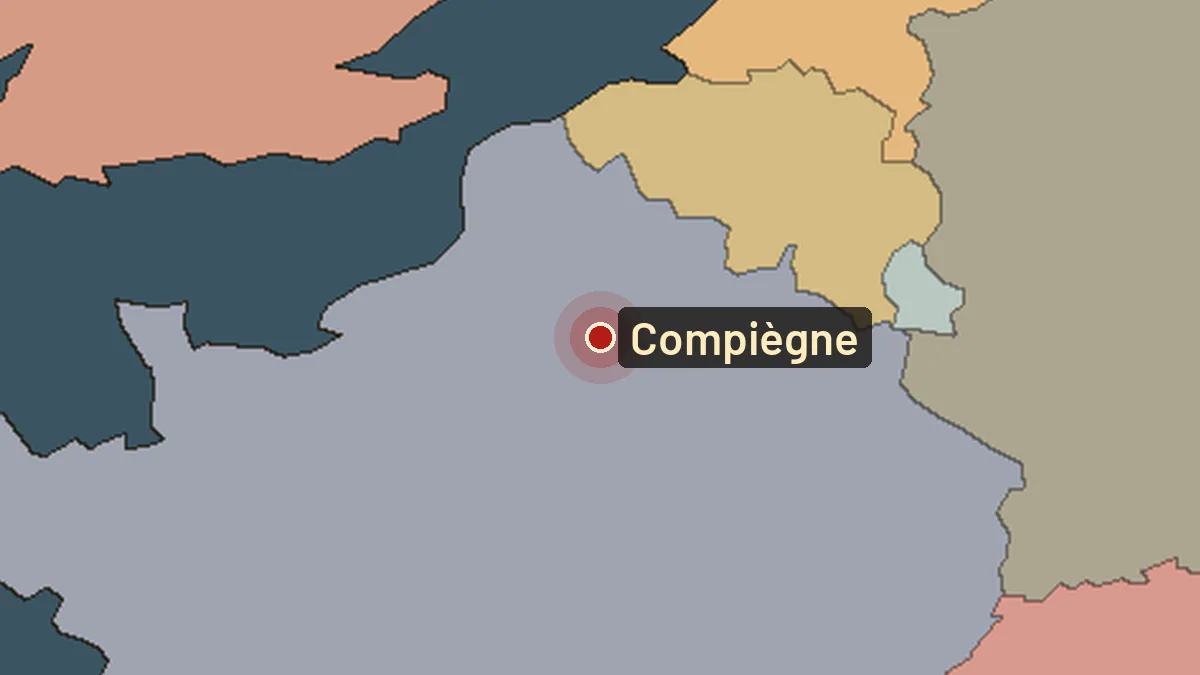
At about five o'clock in the morning of 11 November 1918, in a railway carriage parked in a clearing in the forest of Compiègne, north of Paris, German delegates signed an armistice with the Allies. Six hours later, at 11 a.m., the guns fell silent along the Western Front. After more than four years and millions of dead, the First World War was over in all but name. The "eleventh hour of the eleventh day of the eleventh month" became one of the most remembered moments of the twentieth century, and the terms signed that morning left Germany unable to resume the war.
Germany asks for peace
By the autumn of 1918 Germany's military position was collapsing. The Allied Hundred Days Offensive had broken the Hindenburg Line, and Germany's allies were falling away: Bulgaria signed an armistice on 29 September, the Ottoman Empire on 30 October and Austria-Hungary on 3 November. At the end of September, Ludendorff and Hindenburg told the Kaiser that an armistice was needed at once. A new government under Prince Max of Baden asked President Wilson for peace on the basis of his Fourteen Points, and an exchange of notes followed through October.
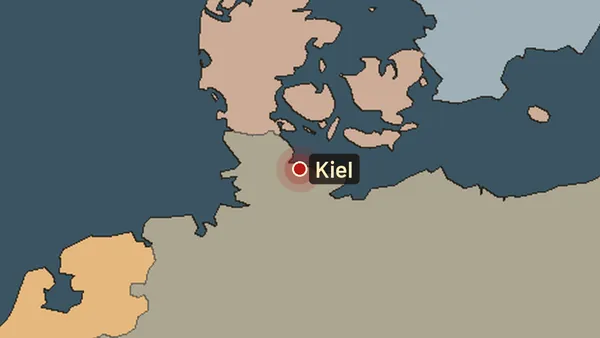
At home, the situation was turning into revolution. The Kiel mutiny of early November spread across Germany, and on 9 November the Kaiser's abdication was announced and a republic proclaimed in Berlin. The armistice delegation had already left for the front.
The talks in the forest
The delegation was led by Matthias Erzberger, a Catholic Centre Party politician and a long-standing advocate of a negotiated peace. With him were Count Alfred von Oberndorff of the foreign office, Major General Detlof von Winterfeldt for the army and Captain Ernst Vanselow for the navy. They crossed the lines on the evening of 7 November and were taken by train to the forest of Compiègne, where Marshal Ferdinand Foch, the Allied supreme commander, had his private train. On the morning of 8 November they were received in Foch's carriage, together with his chief of staff, General Maxime Weygand, and the British First Sea Lord, Admiral Sir Rosslyn Wemyss.
There were no real negotiations. Foch had the terms read out and gave the Germans 72 hours to accept. Erzberger obtained some small concessions, such as more time for the withdrawal and fewer machine guns to surrender, but the main conditions stood. Late on 10 November the new government in Berlin authorised him to sign. The document was signed shortly after 5 a.m. on 11 November, with the time recorded as 5 a.m., and the ceasefire was set for 11 a.m.
The terms
The armistice was designed to make it impossible for Germany to fight again. German troops had to evacuate Belgium, France, Luxembourg and Alsace-Lorraine within about two weeks. The Allies would occupy the left bank of the Rhine and bridgeheads on the right bank at Cologne, Koblenz and Mainz. Germany had to hand over large quantities of war material, including thousands of artillery pieces and machine guns, aircraft, locomotives, railway wagons and lorries. All submarines were to be surrendered and the main surface fleet interned under Allied supervision. Germany also renounced the treaties of Brest-Litovsk and Bucharest it had imposed on Russia and Romania, and Allied prisoners of war were to be returned at once without reciprocity. The naval blockade of Germany remained in force.
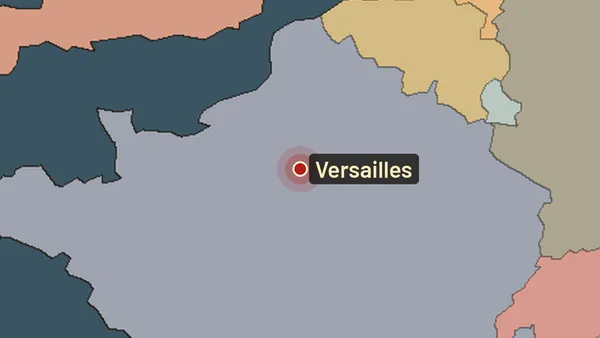
The armistice was concluded for 36 days and was renewed several times while the peace conference met in Paris. It remained in effect until the Treaty of Versailles came into force in January 1920.
The last hours and the legacy
Fighting continued until the very end. Many commanders kept attacking on the morning of 11 November, and thousands of soldiers were killed or wounded in the final hours. The American private Henry Gunther, killed near Verdun at about 10:59, is often described as the last soldier to die in the war; the Canadian private George Price was killed near Mons a few minutes earlier. At 11 a.m. the firing stopped, and in many places soldiers on both sides climbed out of the trenches.
The armistice ended the fighting but not the conflict. The German fleet, interned at Scapa Flow in the Orkney Islands, was scuttled by its own crews in June 1919. In Germany, the fact that the army had marched home without being driven from German soil fed the myth that it had never been defeated in the field. In June 1940, after the fall of France, Adolf Hitler had the same railway carriage brought back to the same clearing so that France would sign its own armistice there.
Did you know?
- Remembrance traditions began with this armistice: the two-minute silence at 11 a.m. was first observed in 1919, and 11 November is still a public holiday in France and Belgium, and Remembrance Day across the Commonwealth.
- The original carriage was taken to Germany in 1940 and destroyed near the end of the Second World War. The one displayed in the Compiègne clearing today is a carriage of the same series.
The armistice in World Wars: 1914–20XX
In the Historical (1914) scenario the armistice arrives on 11 November 1918, and if you lead Germany the game pauses for one last decision: sign and end the war, or refuse and make a last stand, at the cost of falling stability and war support. If Germany signs, it leaves the war, its government becomes the Weimar Republic, and the First World War ends.
But this is only how history went. From 28 June 1914 every front, alliance and battle is in your hands, and a different war may end in a different place, on a different day, or with a different side signing in the railway carriage. How will your war end?
▶ Play now Free in your browser, no download needed.
Further reading: Wikipedia (English)