World Wars: 1914–20XX
First World War (1914–1918)
Kiel Mutiny and the German Revolution (1918): the fall of the Kaiser
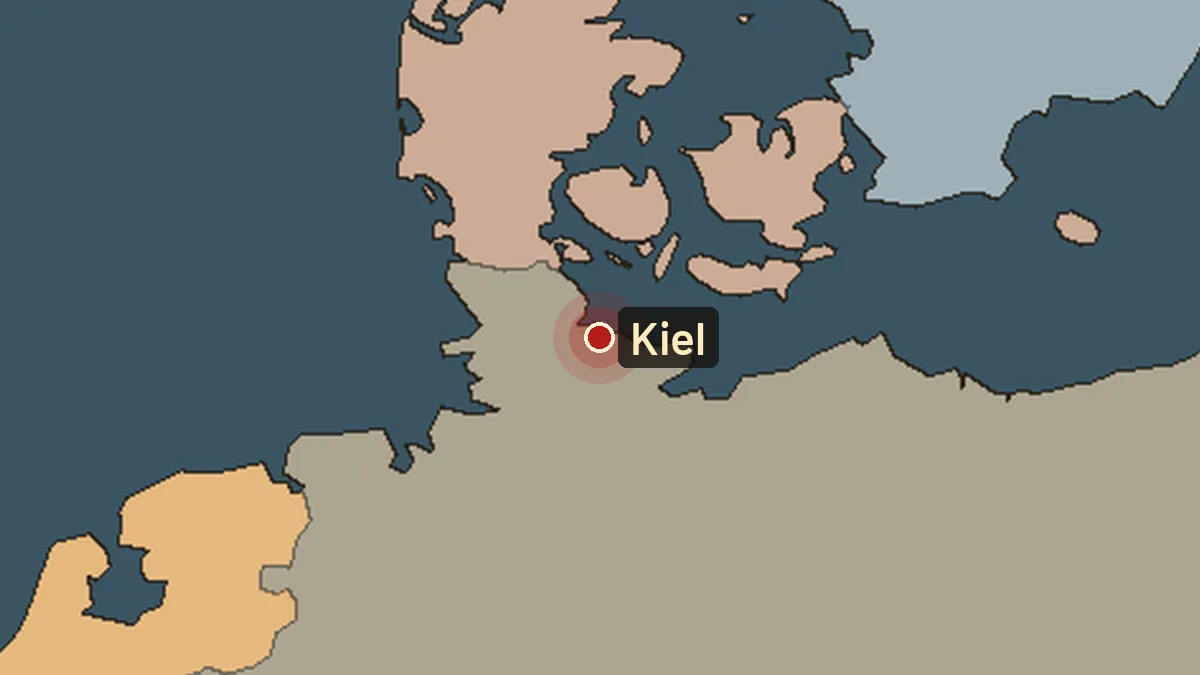
In the first days of November 1918, sailors of the German High Seas Fleet in the port of Kiel refused to obey their officers. Within a week their mutiny had become a revolution. Councils of workers and soldiers took power in one city after another, the kings and princes of the German states fell, and on 9 November a republic was proclaimed from a window of the Reichstag in Berlin. The next morning Kaiser Wilhelm II crossed the border into exile in the Netherlands. Two days later, representatives of the new Germany signed the armistice that ended the First World War.
A fleet that had waited four years
Germany's High Seas Fleet, the pride of Wilhelm II and the cause of a costly naval race with Britain before 1914, had spent most of the war in port. After the Battle of Jutland in 1916 it rarely put to sea, while the U-boat war took most of the navy's best officers and men. On the big ships, crews lived with boredom, poor food and strict discipline, and the gap between officers and ratings grew wide. In 1917 a protest movement in the fleet had been crushed and two sailors executed.
By late October 1918 the war was clearly lost. The government of Prince Max of Baden had asked President Wilson for an armistice and, at his demand, had ended unrestricted submarine warfare. Yet on 24 October the naval command under Admiral Reinhard Scheer and Admiral Franz von Hipper issued an order for the fleet to sail out and attack the Royal Navy in the North Sea. The government was not consulted. To many sailors it looked like a plan to sacrifice them in a final battle for the navy's honour, and to wreck the peace talks.
From mutiny to revolution
When the fleet gathered off Wilhelmshaven on 29 and 30 October, crews on several battleships refused to raise steam or openly disobeyed their officers. The operation was called off. One squadron was sent back to its home port of Kiel, and hundreds of sailors were arrested along the way.
In Kiel their comrades organised meetings to demand their release, joined by dockyard workers. On 3 November a large demonstration marched through the town. A patrol opened fire, and several people were killed. The next day the sailors armed themselves, took control of the ships and the town, and formed a soldiers' council. The station commander, Admiral Wilhelm Souchon, could not restore order. The government in Berlin sent the Social Democratic deputy Gustav Noske, who arrived on 4 November and, by putting himself at the head of the movement, managed to calm Kiel for the moment.
But the revolt had already spread. Sailors travelling by train carried it to Lübeck, Hamburg, Bremen and Wilhelmshaven, where workers' and soldiers' councils took over with little resistance. On 7 November in Munich the socialist Kurt Eisner proclaimed a Bavarian republic, and the Bavarian king fled. Across the country the old authorities gave way almost without a fight.
9 November in Berlin
In Berlin, the Social Democrats demanded that the Kaiser abdicate, and a general strike began on 9 November. At army headquarters in Spa, in Belgium, General Wilhelm Groener told Wilhelm that the army would no longer follow him. In Berlin, without waiting for the Kaiser's consent, Prince Max announced his abdication and handed the chancellorship to the Social Democratic leader Friedrich Ebert.
That afternoon Ebert's colleague Philipp Scheidemann, speaking from a balcony window of the Reichstag to the crowd outside, proclaimed a German republic. A few hours later the revolutionary socialist Karl Liebknecht proclaimed a "free socialist republic" from the Berlin palace. The two proclamations foreshadowed the struggle to come. Wilhelm left Spa and crossed into the Netherlands on 10 November. His formal abdication followed on 28 November.
Consequences
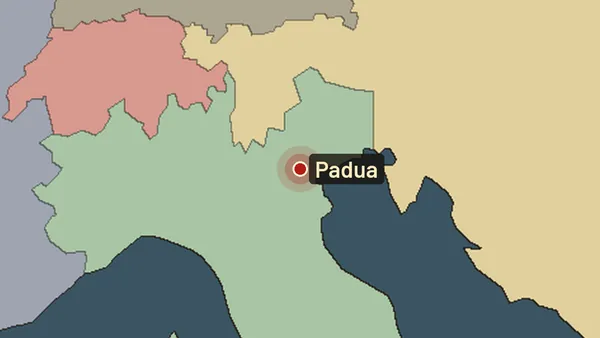
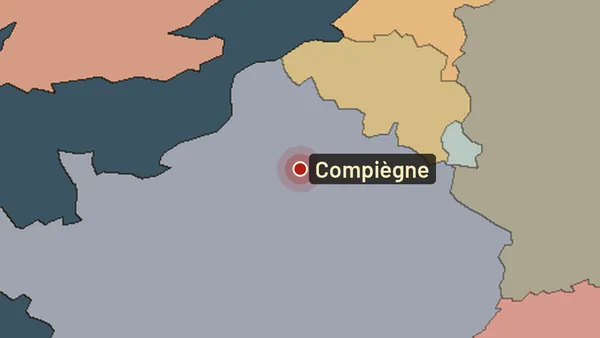
The new government, the Council of People's Deputies under Ebert, accepted the Allied armistice terms, and its representative Matthias Erzberger signed at Compiègne on 11 November. Ebert, who feared a Bolshevik-style revolution, reached an understanding with Groener that the army would support the government against the radical left. In January 1919 an uprising in Berlin by the Spartacists was crushed by army units and volunteer Freikorps, and its leaders Karl Liebknecht and Rosa Luxemburg were murdered. Elections were held for a National Assembly, which met in the town of Weimar and gave Germany a democratic constitution in August 1919.
The revolution left a dangerous legacy. Because the monarchy fell at home before the armistice was signed, nationalists later claimed that the army had been "stabbed in the back" by revolutionaries and politicians, even though the generals themselves had demanded an armistice at the end of September. This myth poisoned the politics of the Weimar Republic and was exploited by the Nazis.
Did you know?
- Admiral Wilhelm Souchon, who faced the mutineers in Kiel, was the commander who had brought the battlecruiser Goeben and the cruiser Breslau to Constantinople in August 1914, helping to bring the Ottoman Empire into the war.
- Wilhelm II never returned to Germany. He lived at Doorn in the Netherlands until his death in 1941, and he is buried there.
The German Revolution in World Wars: 1914–20XX
In the Historical (1914) scenario the Kiel mutiny and German Revolution arrive on 3 November 1918 and run until 9 November. Germany's stability falls sharply and its war support drops, setting the stage for the armistice of 11 November.
Playing Germany, this event is the last of a long series of blows to the home front: the more stability and war support you have built up by November 1918, the more of a cushion you have when it lands. Better still, win the war before it comes to this. Can you lead the Kaiser's Germany to a different ending?
▶ Play now Free in your browser, no download needed.
Further reading: Wikipedia (English)