 World Wars: 1914–20XX
History behind the game
Every event in the game happened in real history. These articles explain what really took place, who was involved and why it mattered, followed by how the same moment plays out in the game, where you can follow history or change it.
First World War: events and battles
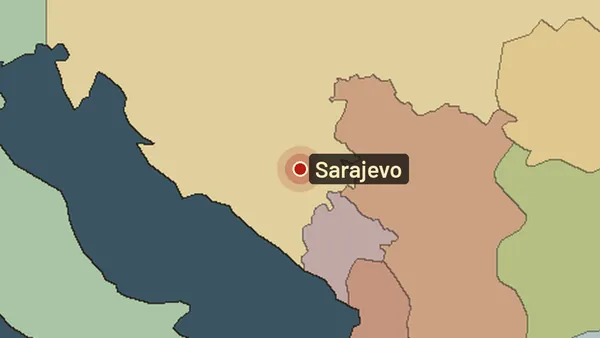 June 28, 1914Assassination of Franz FerdinandOn 28 June 1914 Gavrilo Princip shot Archduke Franz Ferdinand and his wife Sophie in Sarajevo. Who the conspirators were, how a wrong turn decided the day, and why it led to world war.
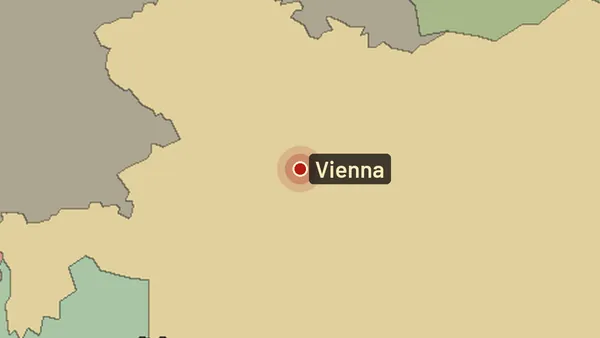 July 28, 1914July CrisisHow the Sarajevo murders turned into war in a month: Germany's blank cheque, the 48-hour ultimatum to Serbia, Belgrade's reply and Austria-Hungary's declaration of war on 28 July 1914.
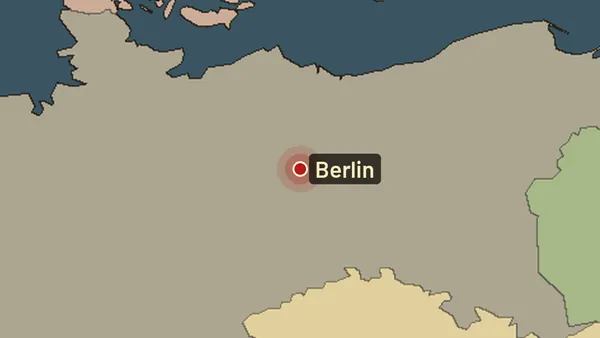 August 1, 1914Germany declares war on Russia and FranceOn 1 August 1914 Germany declared war on Russia, and on 3 August on France. How Russian mobilisation, the Schlieffen Plan and the Willy-Nicky telegrams turned a Balkan war into a European one.
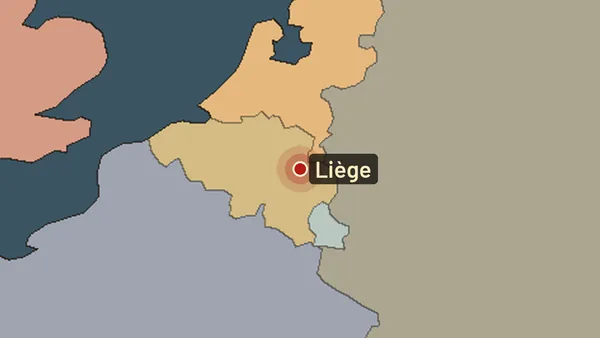 August 4, 1914Invasion of BelgiumOn 4 August 1914 Germany invaded neutral Belgium to reach France, and Britain declared war. The ultimatum, the siege of Liège, the burning of Leuven and why Belgium's resistance mattered.
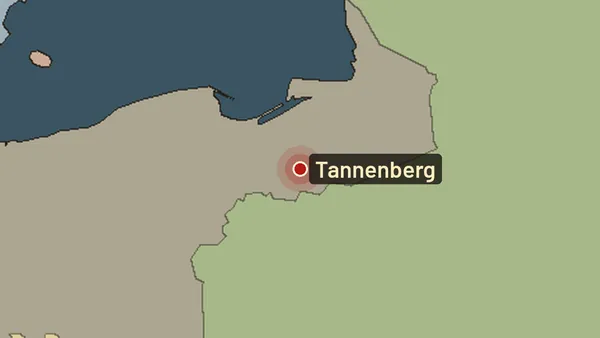 August 26, 1914Battle of TannenbergIn August 1914 the German Eighth Army encircled and destroyed the Russian Second Army in East Prussia. How Tannenberg was won and why it made Hindenburg a legend.
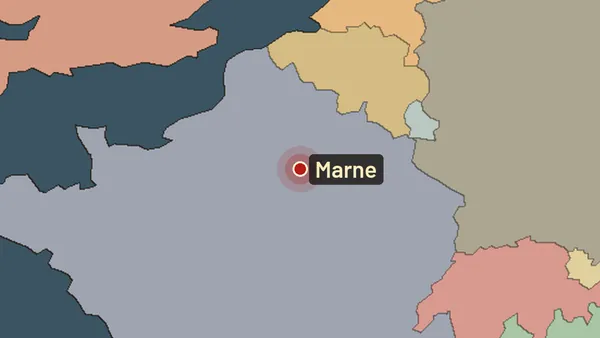 September 5, 1914First Battle of the MarneIn September 1914 the French and British stopped the German advance on Paris at the Marne. Why the Schlieffen Plan failed, the "taxis of the Marne", and how four years of trench warfare began.
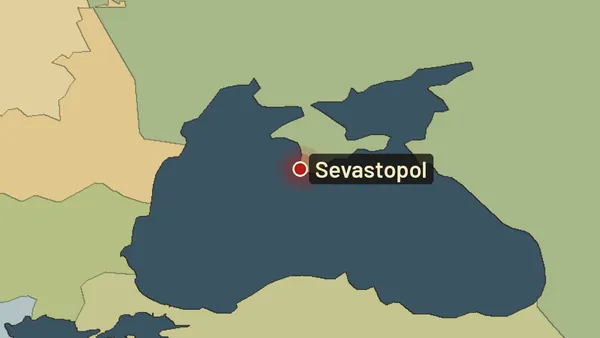 October 29, 1914Ottoman entry into World War IIn autumn 1914 the Ottoman Empire went from secret alliance to open war. The German treaty, the seized battleships, the Goeben and Breslau, the Black Sea raid of 29 October and what followed.
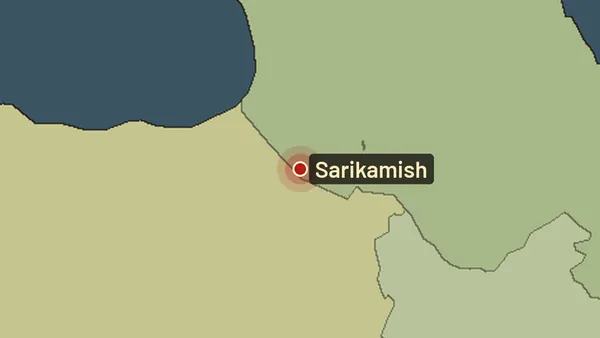 December 22, 1914Battle of SarikamishIn December 1914 Enver Pasha sent the Ottoman Third Army over snowbound mountains to encircle the Russians at Sarıkamış. Blizzards, frost and typhus turned the offensive into a catastrophe.
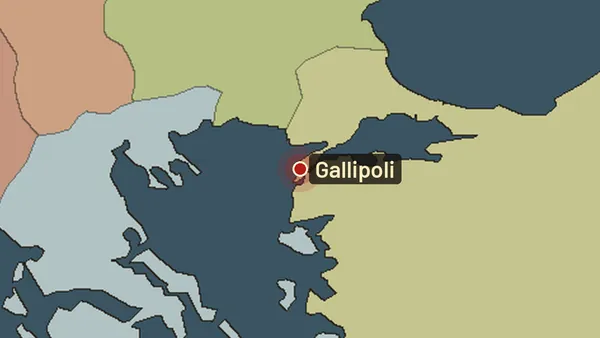 February 19, 1915Gallipoli CampaignIn 1915 Britain and France tried to force the Dardanelles and take Constantinople. The naval defeat of 18 March, the landings of 25 April, Mustafa Kemal, Anzac Cove and the evacuation, explained.
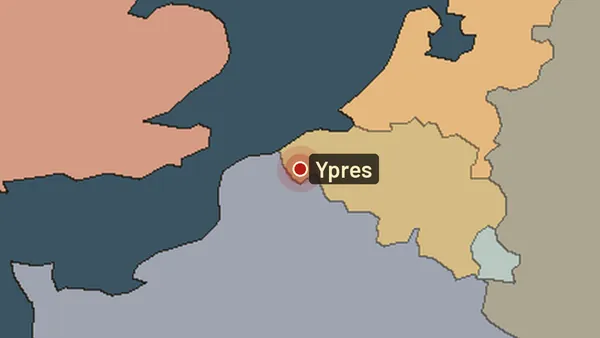 April 22, 1915Second Battle of YpresOn 22 April 1915 German troops released chlorine gas at Ypres, opening a gap in the Allied line. How the first great gas attack happened and how the Canadians held.
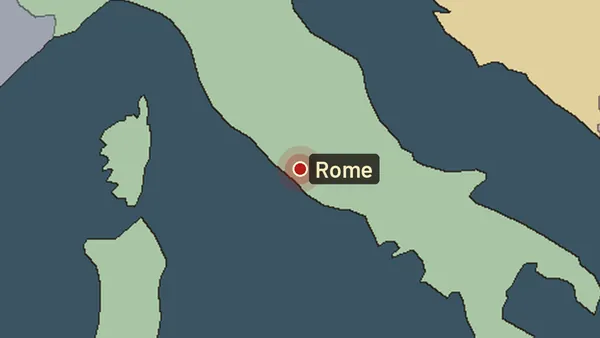 April 26, 1915Italy enters World War IIn 1914 Italy stayed neutral despite its alliance with Germany and Austria-Hungary. How the secret Treaty of London and the "Radiant May" of 1915 brought it into the war on the Allied side.
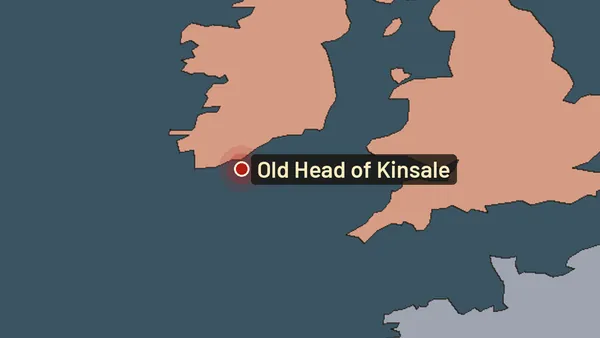 May 7, 1915Sinking of the LusitaniaOn 7 May 1915 the German submarine U-20 torpedoed the British liner Lusitania off Ireland. Nearly 1,200 people died, 128 of them American. What happened, what she carried, and why it mattered.
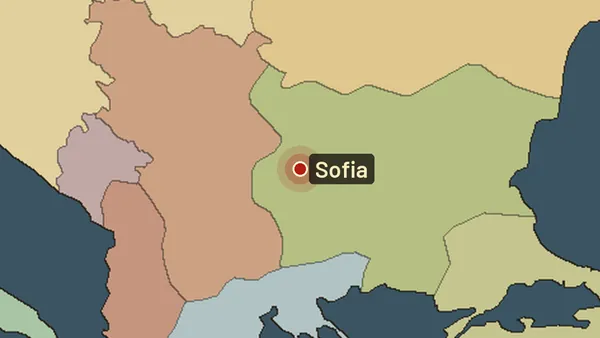 October 14, 1915Bulgaria joins the Central PowersIn October 1915 Bulgaria entered the war on Germany's side and attacked Serbia. Why Sofia chose the Central Powers, how Serbia was overrun, and why the Berlin–Constantinople railway mattered.
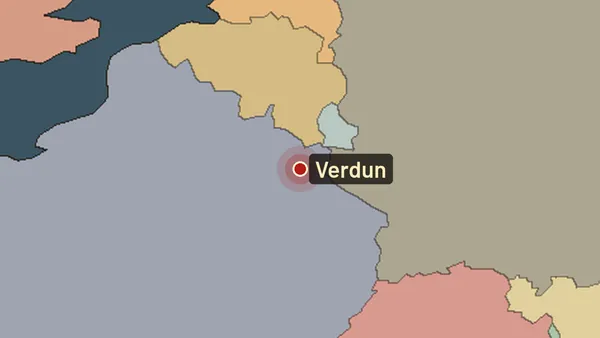 February 21, 1916Battle of VerdunFrom February to December 1916 the German and French armies fought for the fortress city of Verdun. Falkenhayn's plan, Fort Douaumont, Pétain, the Sacred Way and why Verdun became a symbol.
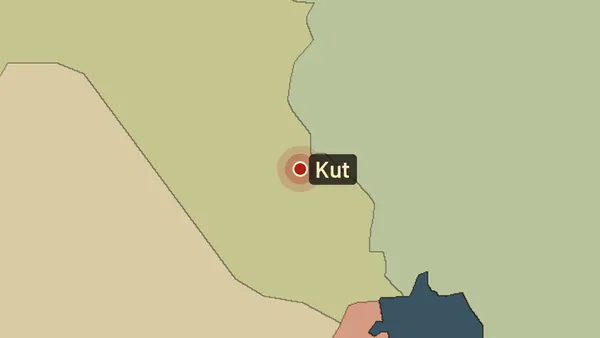 April 29, 1916Siege of KutA British-Indian division that failed to reach Baghdad was besieged at Kut for 147 days and surrendered on 29 April 1916. The advance, the siege and the prisoners' fate.
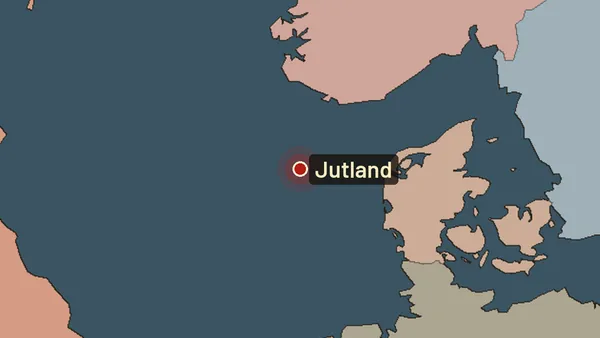 May 31, 1916Battle of JutlandOn 31 May 1916 the British Grand Fleet and the German High Seas Fleet met in the North Sea. Exploding battlecruisers, Jellicoe's crossed T, Scheer's escape and why the blockade won.
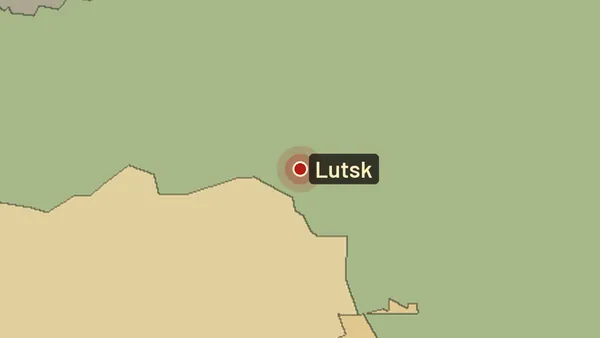 June 4, 1916Brusilov OffensiveIn June 1916 General Brusilov broke the Austro-Hungarian front in Galicia and Volhynia. How his new method worked, what it cost and why it nearly broke Austria-Hungary.
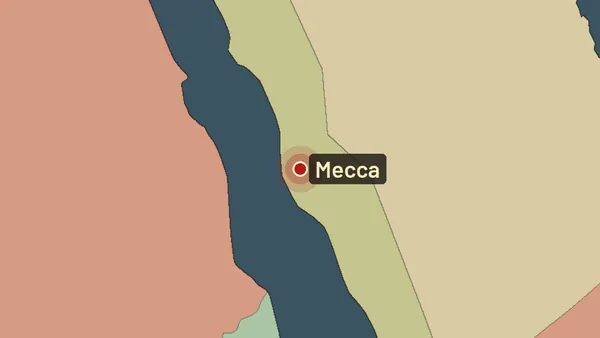 June 10, 1916Arab RevoltIn June 1916 Sharif Hussein of Mecca rose against the Ottomans with British support. The promises behind it, the Hejaz Railway raids, Aqaba, Medina and the aftermath.
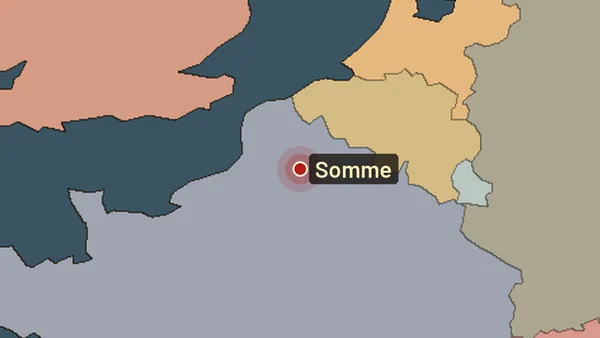 July 1, 1916Battle of the SommeOn 1 July 1916 British and French armies attacked on the Somme. Why the bombardment failed, what happened on the first day, and how it cost over a million casualties.
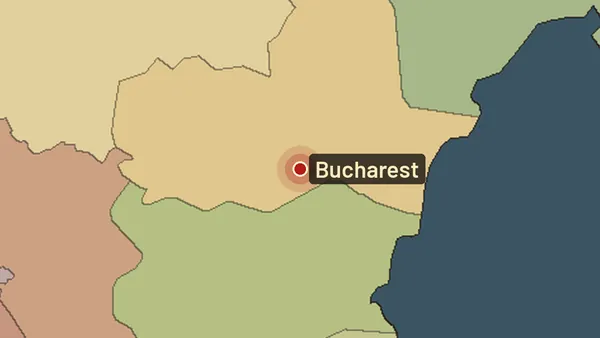 August 27, 1916Romania enters the warIn August 1916 Romania declared war on Austria-Hungary to win Transylvania. Within a hundred days the Central Powers struck back from two sides and took Bucharest.
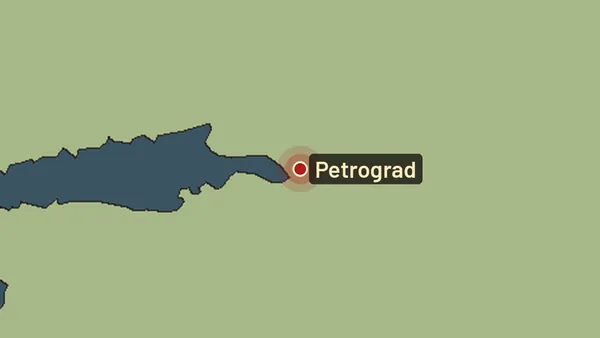 December 30, 1916Murder of RasputinIn December 1916 aristocrats killed Grigori Rasputin in Petrograd to save the monarchy. Who he was, why they hated him, what happened at the Moika Palace.February 1, 1917U-boats and the Zimmermann TelegramIn 1917 Germany bet that unrestricted U-boat warfare could starve Britain, and secretly offered Mexico an alliance. How both drew the United States into the war.
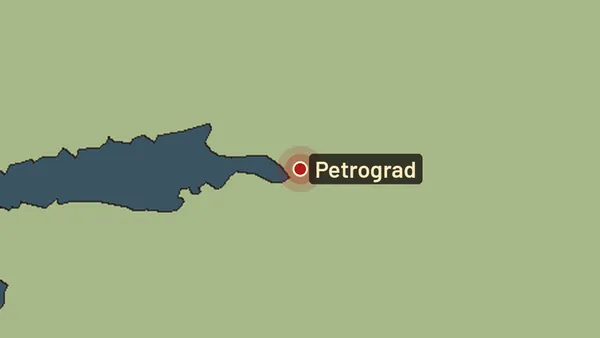 March 8, 1917Russian Revolutions of 1917In 1917 war-weary Russia went through two revolutions. How bread riots toppled Nicholas II, why the new government kept fighting, and how Lenin's Bolsheviks took power.
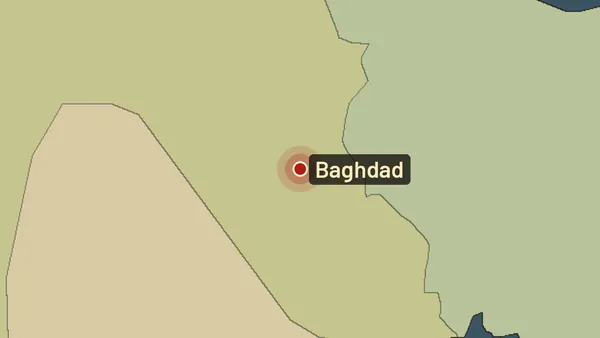 March 11, 1917Fall of BaghdadOn 11 March 1917 British and Indian troops under General Maude entered Baghdad. How Britain recovered from the disaster at Kut and took the great Ottoman city.April 6, 1917United States enters the warOn 6 April 1917 the United States declared war on Germany. Why Wilson gave up neutrality, how a small army grew into millions, and what American entry meant for the war.
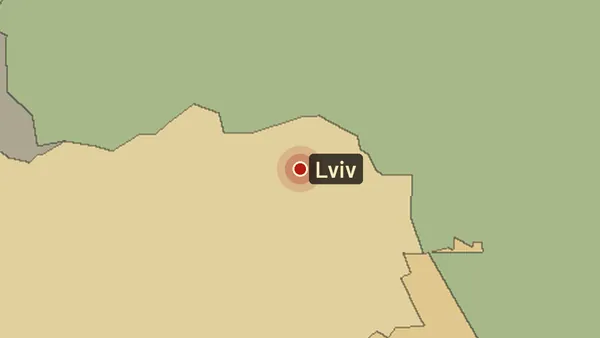 July 1, 1917Kerensky OffensiveIn July 1917 revolutionary Russia launched a final offensive in Galicia. Why Kerensky gambled, how early success turned into collapse, and how it helped the Bolsheviks.
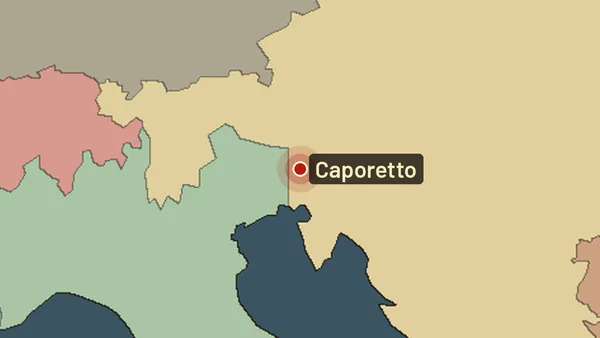 October 24, 1917Battle of CaporettoOn 24 October 1917 German and Austro-Hungarian troops broke the Italian front at Caporetto. How gas and infiltration broke the Isonzo line, and how Italy held the Piave.
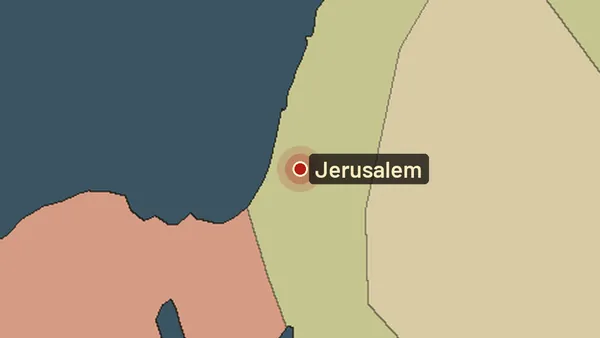 December 9, 1917Capture of JerusalemOn 9 December 1917 Jerusalem surrendered to Allenby's British forces. How Britain broke the Gaza–Beersheba line, why the city was spared, and what its fall meant.January 8, 1918The Fourteen PointsOn 8 January 1918 President Wilson set out fourteen principles for a just peace. What they said, why Germany cited them in asking for an armistice, and their legacy.
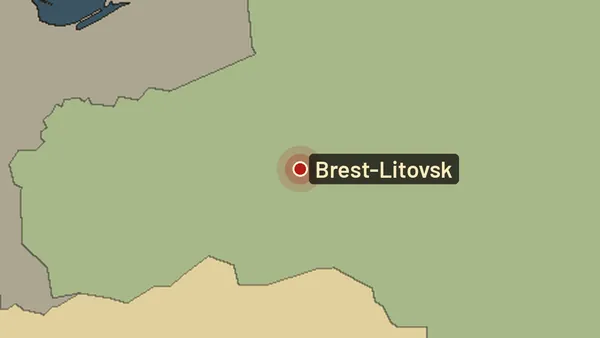 March 3, 1918Treaty of Brest-LitovskOn 3 March 1918 Soviet Russia made a separate peace at Brest-Litovsk, giving up Poland, the Baltic and Ukraine, and Kars, Ardahan and Batum to the Ottomans.
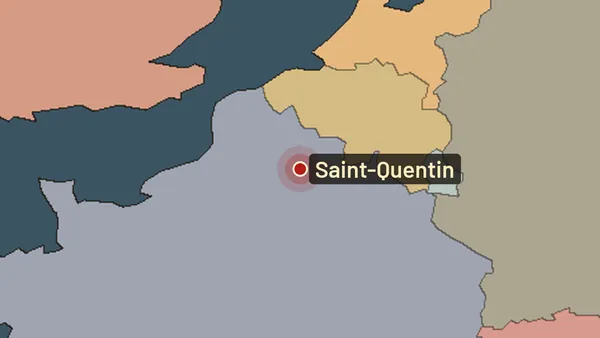 March 21, 1918German Spring OffensiveFrom 21 March 1918 Germany launched its last great attacks in the west to win before the Americans arrived. Stormtroopers, Operation Michael and why it failed.
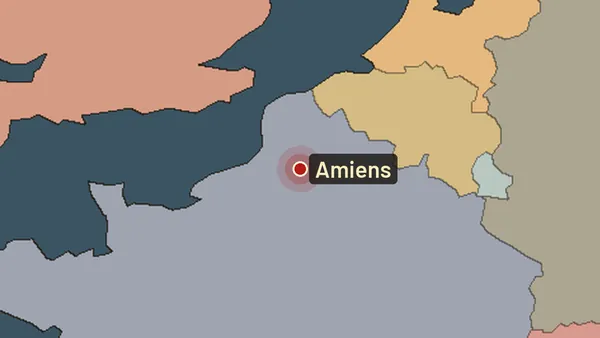 August 8, 1918Hundred Days OffensiveFrom 8 August 1918 Allied attacks beginning at Amiens broke the Hindenburg Line and drove the German army back until the armistice. How the war was won on land.
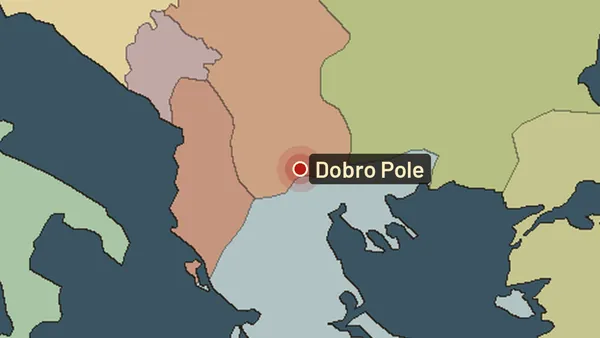 September 15, 1918Battle of Dobro PoleOn 15 September 1918 Serbian and French troops stormed the Bulgarian mountain line at Dobro Pole in Macedonia. Within two weeks Bulgaria asked for an armistice.
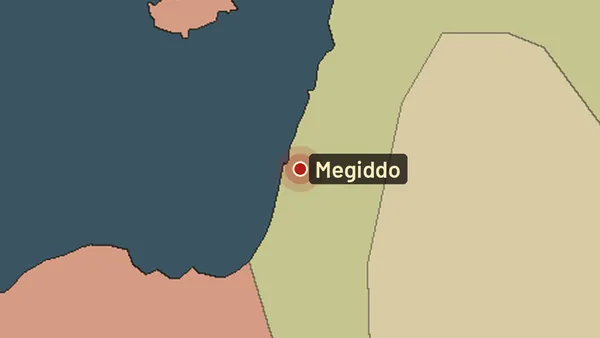 September 19, 1918Battle of MegiddoOn 19 September 1918 Allenby's army broke the Ottoman front in Palestine and sent its cavalry deep behind the lines. Within weeks Damascus and Aleppo fell.
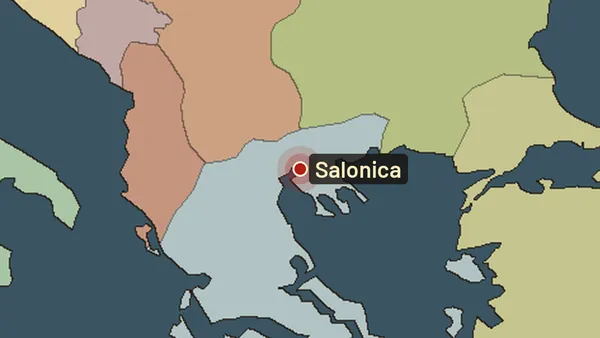 September 29, 1918Armistice of SalonicaOn 29 September 1918, after the Dobro Pole breakthrough, Bulgaria signed an armistice at Salonica. Its terms, Tsar Ferdinand's abdication and what it meant.
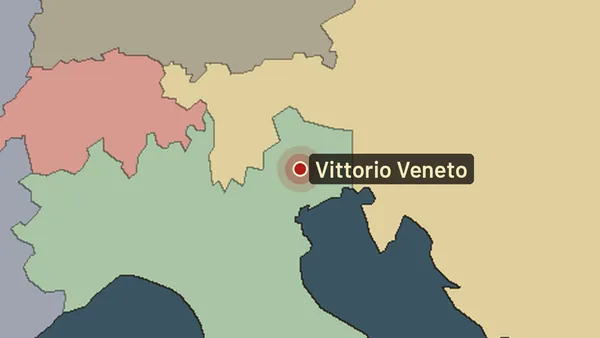 October 24, 1918Battle of Vittorio VenetoIn October 1918, as Austria-Hungary fell apart, Italy attacked across the Piave and on Monte Grappa. How Vittorio Veneto avenged Caporetto and ended the war in Italy.
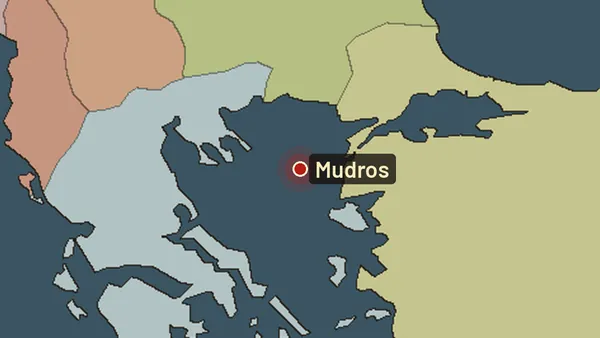 October 30, 1918Armistice of MudrosOn 30 October 1918, aboard HMS Agamemnon at Mudros, the Ottoman Empire signed an armistice. Its terms, the notorious Article 7 and the road to occupied Istanbul.
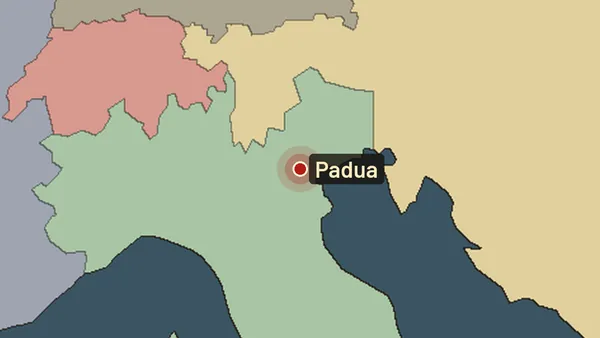 November 3, 1918Armistice of Villa GiustiOn 3 November 1918 Austria-Hungary signed an armistice with Italy at Villa Giusti near Padua. Its terms, the confusion over the ceasefire and the empire's collapse.
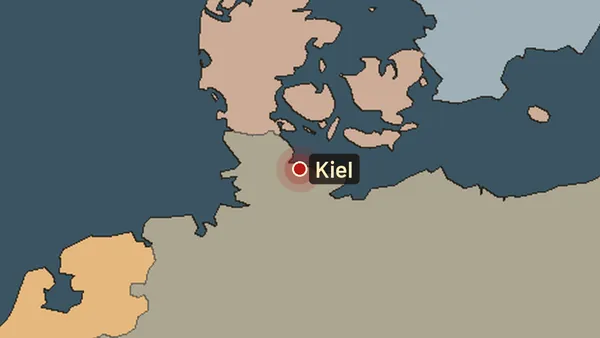 November 3, 1918Kiel mutiny and German RevolutionIn November 1918 sailors at Kiel refused a final sortie and rose up. Within a week revolution swept Germany, the Kaiser fled and a republic was proclaimed in Berlin.
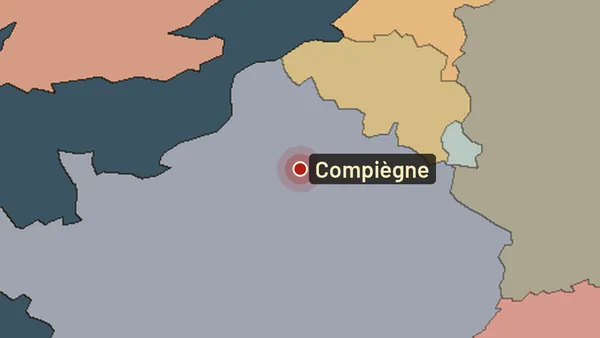 November 11, 1918Armistice of 11 November 1918At dawn on 11 November 1918, in Foch's railway carriage in the forest of Compiègne, Germany signed the armistice. The talks, the terms and the eleventh hour.
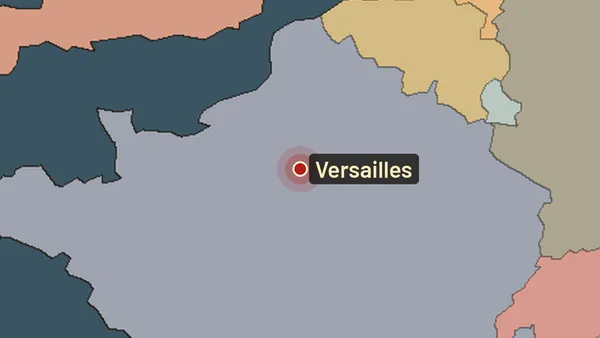 June 28, 1919Treaty of VersaillesOn 28 June 1919 Germany signed the Treaty of Versailles. Its terms on territory, reparations, disarmament and war guilt, and why historians still argue about it.
The nations at war
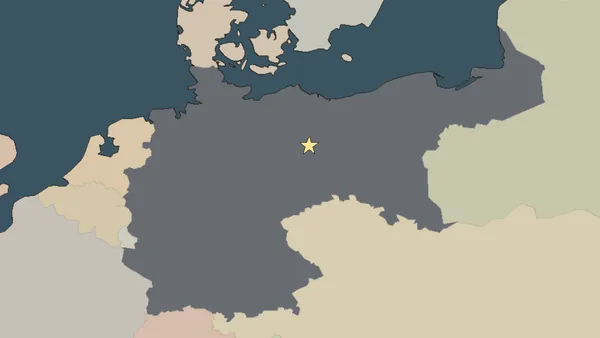 German Empire in WWIIn 1914 the German Empire had Europe's strongest army and a booming industry. How it fought a two-front war for four years, why it lost and how it fell in November 1918.
 France in WWIFrance carried the heaviest load on the Western Front from 1914 to 1918. The road to war, the Marne, Verdun, the mutinies of 1917, Clemenceau and the price of victory.
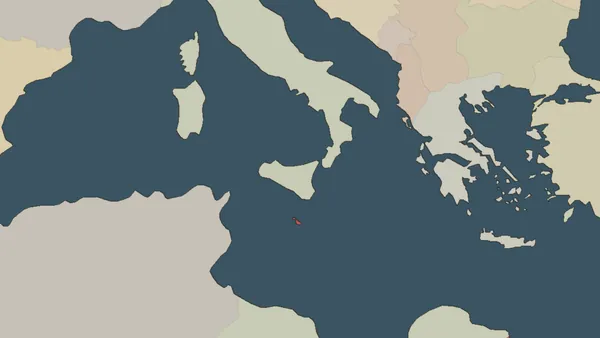 British Empire in WWIWhy Britain went to war in August 1914, how an empire of over 400 million people fought from Flanders to Mesopotamia, and what victory cost it by 1918.
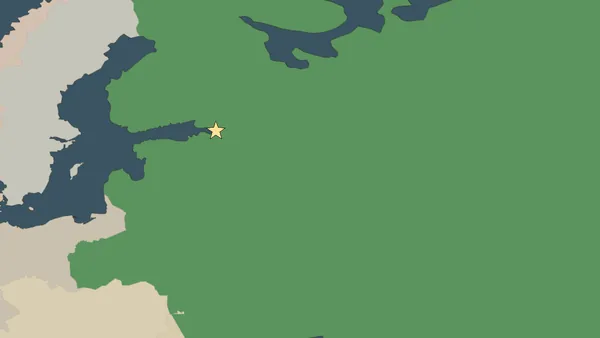 Russian Empire in WWIRussia entered the war in 1914 with Europe's largest army and left it in 1918 after two revolutions: Tannenberg, the Great Retreat, Brusilov and Brest-Litovsk.
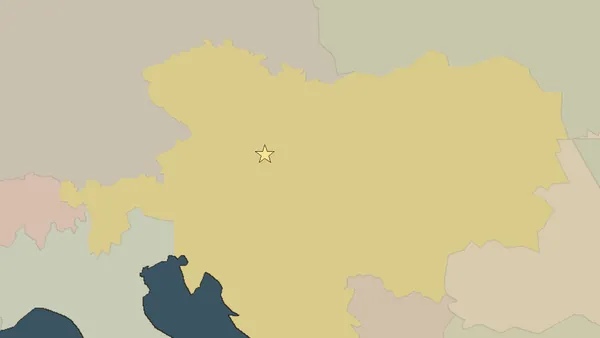 Austria-Hungary in WWIAustria-Hungary went to war with Serbia in July 1914 to save itself and broke apart in the autumn of 1918. Its fronts, its peoples and the end of the Habsburgs.
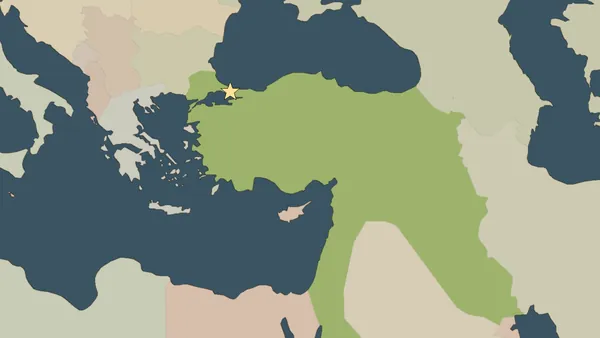 Ottoman Empire in WWIWhy the Ottoman Empire joined Germany in 1914, how it fought from the Caucasus to Gallipoli, Iraq and Palestine, and how the war ended at Mudros.
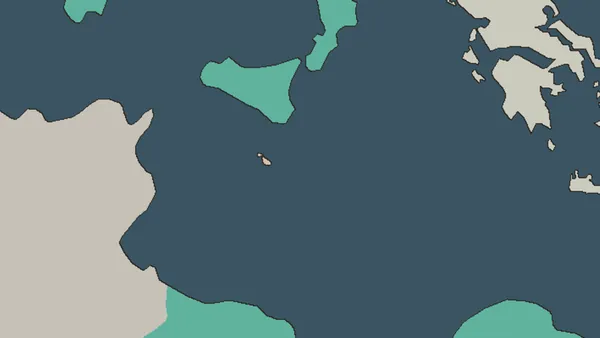 Italy in WWIItaly stayed neutral in 1914, then joined the Entente in 1915 for territory: the Treaty of London, the Isonzo, Caporetto, the Piave and a "mutilated victory".
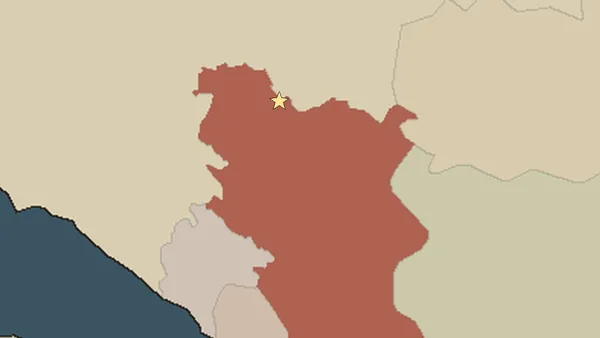 Serbia in WWIThe kingdom where the war began beat back Austria-Hungary in 1914, was overrun in 1915, retreated across Albania and returned via Salonika in 1918.
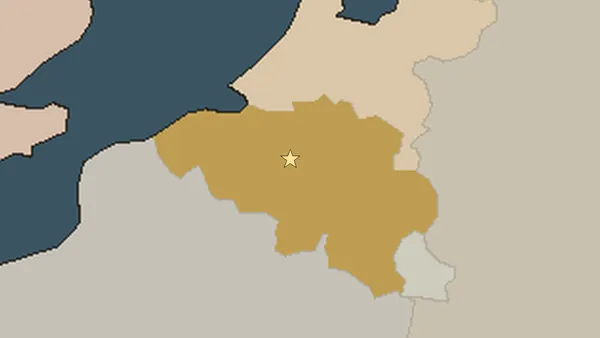 Belgium in WWIGermany's invasion of neutral Belgium in 1914 brought Britain into the war. Liège, the atrocities of 1914, the Yser front, occupation and liberation in 1918.
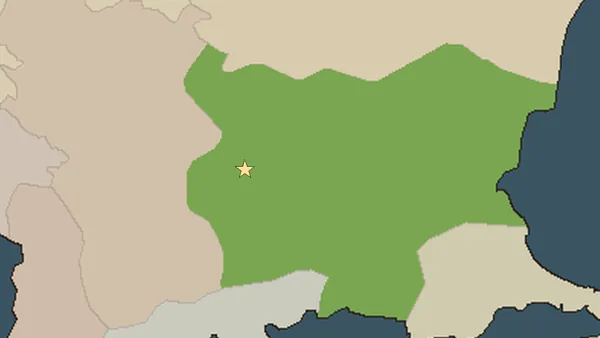 Bulgaria in World War IBulgaria joined the Central Powers in 1915 to win back Macedonia, helped crush Serbia and Romania, then became the first Central Power to leave the war in 1918.
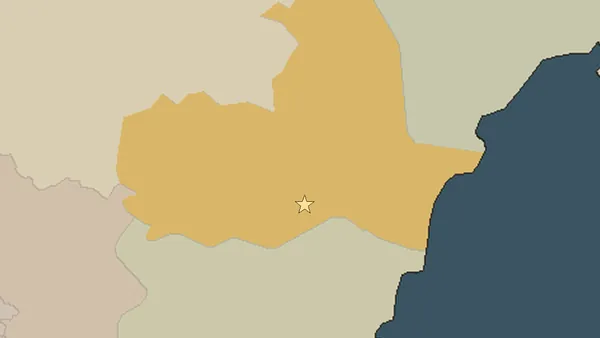 Romania in World War IRomania stayed neutral for two years, joined the Entente in 1916 to win Transylvania, lost Bucharest within months, held Moldavia and emerged as Greater Romania.The United States in World War IWhy the neutral United States declared war on Germany in April 1917, how it built an army of millions, and what American troops did on the Western Front in 1918.
Leaders and commanders
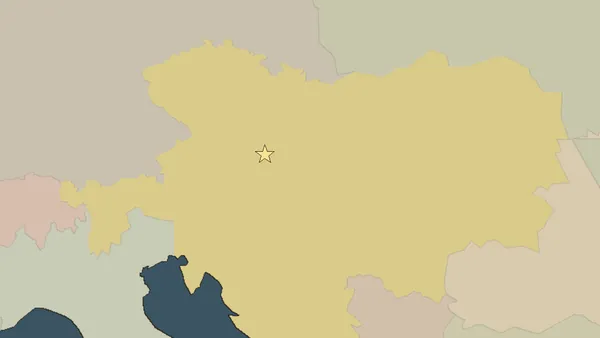 Emperor Franz JosephFranz Joseph ruled Austria for 68 years, from the revolutions of 1848 to the middle of World War I. His long reign, family tragedies and the decision for war in 1914.
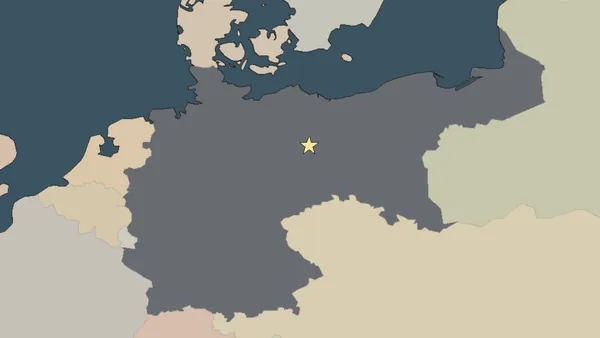 Kaiser Wilhelm IIWilhelm II ruled Germany from 1888 to 1918. His naval race with Britain, the blank cheque of July 1914, his fading power in the war and his exile in the Netherlands.
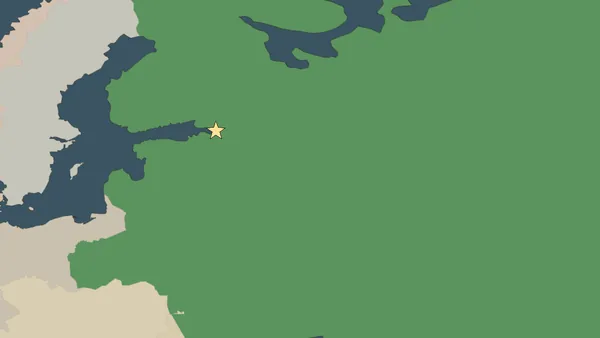 Tsar Nicholas IINicholas II was the last Tsar of Russia. How the First World War, Rasputin and the revolution of 1917 ended three centuries of Romanov rule, and how his family died.
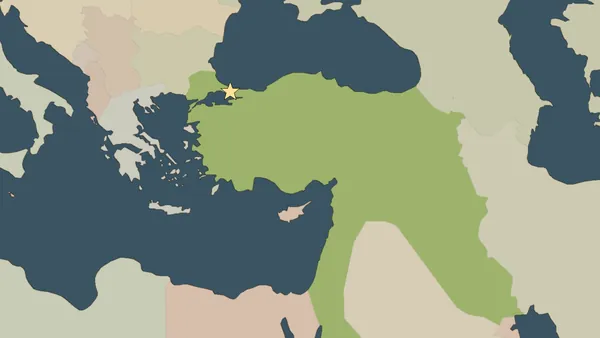 Sultan Mehmed VMehmed V Reşad was Ottoman sultan from 1909 to 1918, a constitutional monarch while the Unionists held power. His life, the wars of his reign and the jihad of 1914.
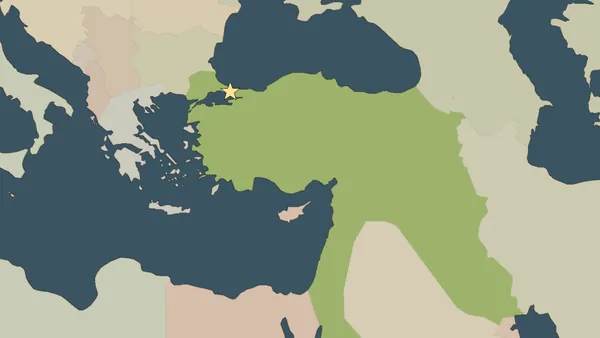 Enver PashaEnver Pasha, hero of the 1908 revolution and Ottoman war minister, took the empire into World War I. His rise, Sarıkamış, his flight in 1918 and death in Central Asia.Woodrow Wilson in WWIWoodrow Wilson kept the USA neutral for nearly three years, then took it into World War I in 1917. His Fourteen Points, the League of Nations and his defeat at home.
 Joseph JoffreJoseph Joffre led the French army from 1914 to 1916. How the calm engineer survived August 1914, won the Marne, and lost his command after Verdun and the Somme.
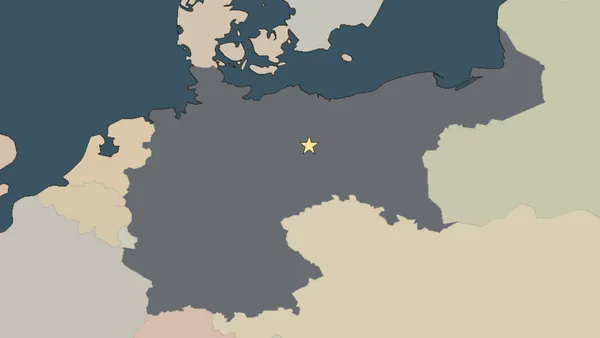 Paul von HindenburgCalled out of retirement in 1914, Paul von Hindenburg won at Tannenberg, ran Germany's war with Ludendorff and later, as president, appointed Hitler chancellor.
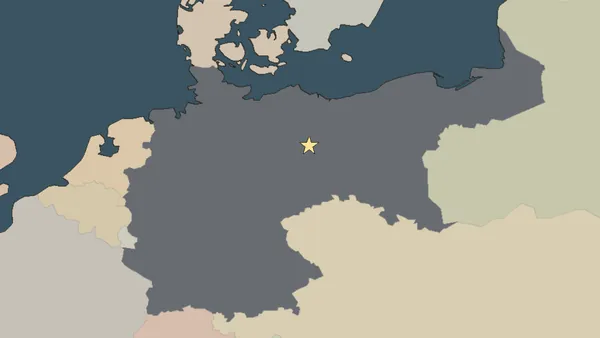 Erich LudendorffErich Ludendorff planned Tannenberg, ran Germany's war with Hindenburg from 1916 and staked everything on the 1918 Spring Offensive. His rise, fall and later years.
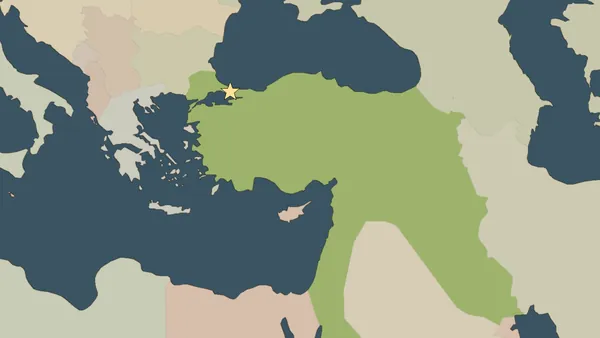 Mustafa Kemal in World War IBefore founding the Republic of Turkey, Mustafa Kemal fought at Gallipoli, in the Caucasus and in Syria. His war from Arıburnu and Anafartalar to Aleppo.
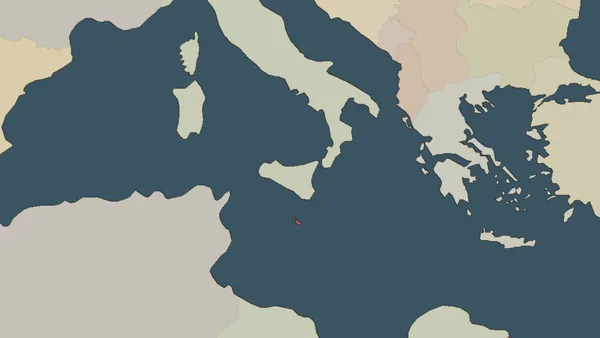 Douglas HaigField Marshal Douglas Haig led the British army in France from 1915 to the end of the war. The Somme, Passchendaele, the victories of 1918 and his disputed legacy.
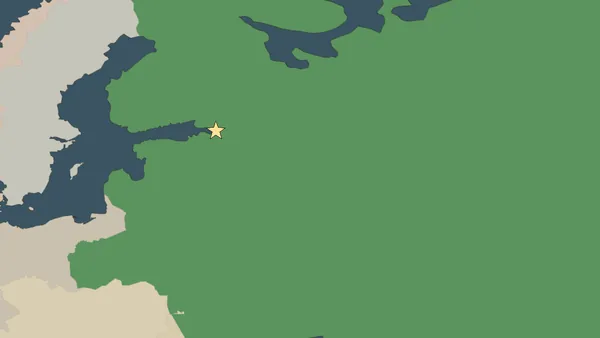 Aleksei BrusilovGeneral Aleksei Brusilov led Russia's most successful offensive of the war in 1916, nearly breaking Austria-Hungary. His new tactics, 1917 and his later years.
 David Lloyd GeorgeThe Welsh Liberal who solved Britain's shell shortage, became prime minister in December 1916, fought his own generals and helped write the peace of 1919.
 Vladimir Lenin (1917)How an exiled revolutionary in Zurich returned to Russia with German help in April 1917, seized power in the October Revolution and took Russia out of the First World War.
 Georges ClemenceauThe veteran radical who became French prime minister at 76 in November 1917, crushed defeatism, backed Foch to final victory and fought for a hard peace at Versailles.
 Ferdinand FochFrom the Marne in 1914 to the railway carriage at Compiègne: how Ferdinand Foch became Allied supreme commander in 1918 and led the Hundred Days to the armistice.
Weapons and warfare
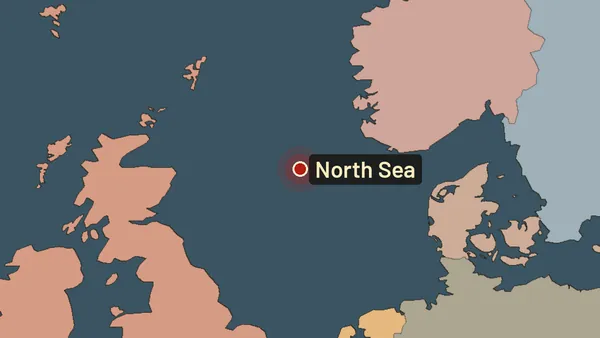 Dreadnought battleshipsHMS Dreadnought, launched in 1906, made every older battleship obsolete and set off the Anglo-German naval race. How the design worked and what dreadnoughts did in WWI.Machine gun in WWIHow Hiram Maxim's invention dominated the battlefields of 1914–1918, why a few machine guns could stop a battalion, and how armies learned to live and fight with them.Heavy artillery in WWIFrom the "Big Bertha" howitzers that smashed the Belgian forts in 1914 to the creeping barrages of 1918: how artillery became the deadliest weapon of the First World War.
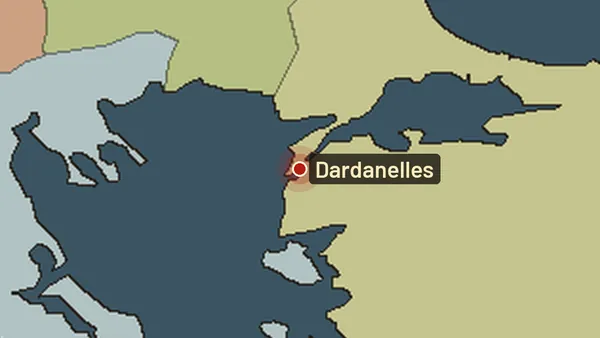 Naval mines in WWICheap, hidden and deadly: how naval mines sank battleships at the Dardanelles on 18 March 1915, killed Lord Kitchener, and closed whole seas during the First World War.Aircraft in WWIIn 1914 aircraft were fragile scouts; by 1918 thousands of fighters and bombers fought over the front. Reconnaissance, the Fokker scourge, the aces and bombing.
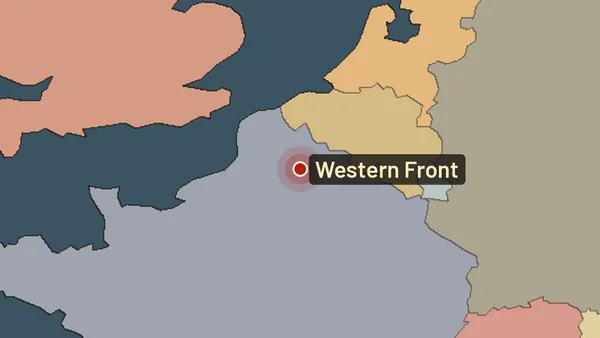 Trench warfareFrom 1914 to 1918 millions of soldiers lived and fought in trenches. Why the front dug in, how a trench system worked, life in the line and how the deadlock broke.U-boats in World War IGerman U-boats nearly starved Britain and helped bring the USA into the war. The Lusitania, unrestricted submarine warfare in 1917 and how convoys beat it.
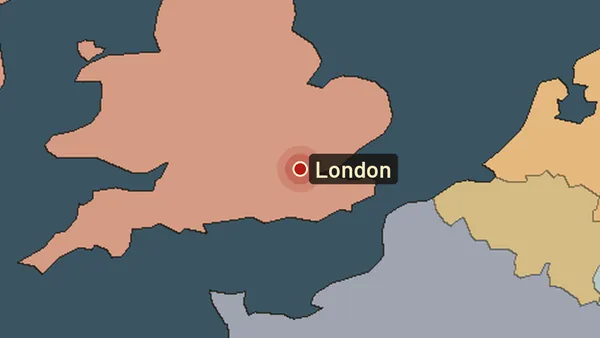 Zeppelin raidsFrom 1915 German airships bombed London and British towns at night. How the Zeppelin raids worked, why they frightened civilians and how incendiary bullets ended them.
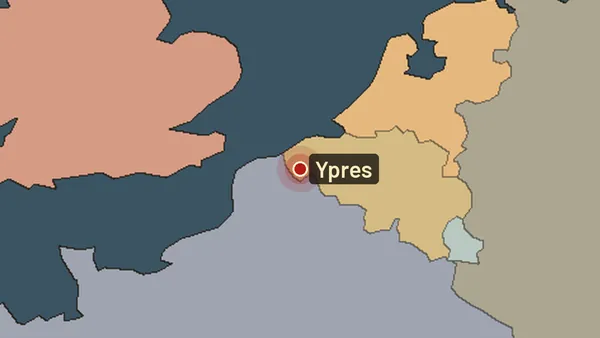 Poison gas in World War IFrom 1915 both sides used poison gas. How chlorine, phosgene and mustard gas worked, how gas masks answered them, what gas achieved and why it was banned in 1925.
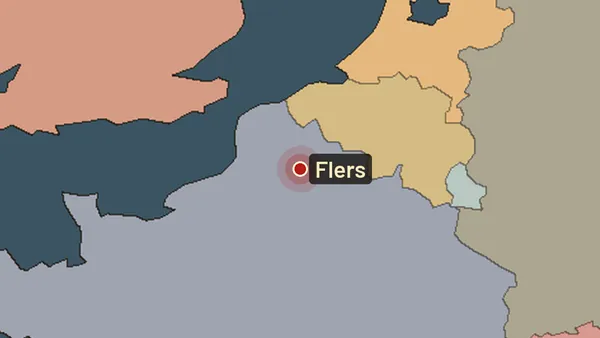 The first tanks (Flers–Courcelette)On 15 September 1916, during the Battle of the Somme, British Mark I tanks went into action for the first time. How the "landships" were invented, why they were called tanks, and what they achieved.
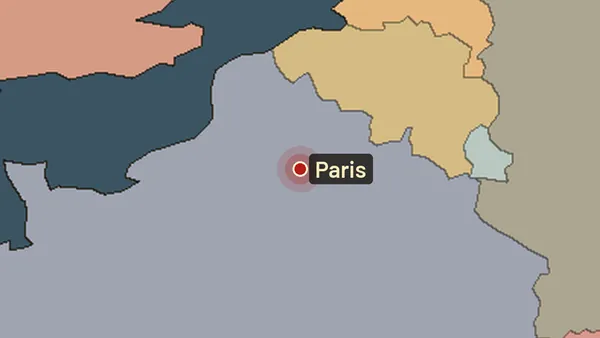 The Paris GunIn March 1918 German shells fired into the stratosphere began falling on Paris from over 120 km away. How the Paris Gun worked, what it hit and why it changed little.
Second World War (1939–1945)
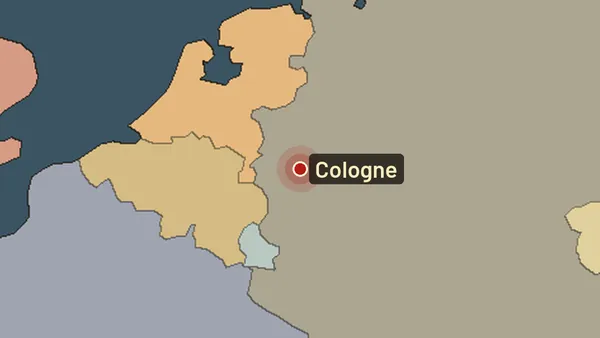 March 7, 1936Remilitarization of the RhinelandOn 7 March 1936 German troops entered the demilitarized Rhineland, breaking Versailles and Locarno. Why France and Britain did not respond, and why it mattered.
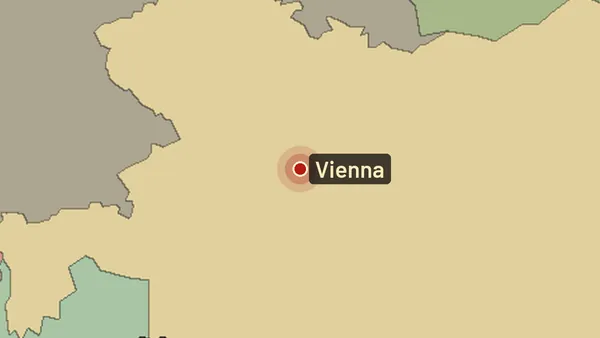 March 12, 1938The AnschlussOn 12 March 1938 German troops crossed into Austria, and the next day Hitler made it part of the German Reich. The roots in 1918, the March crisis and its aftermath.
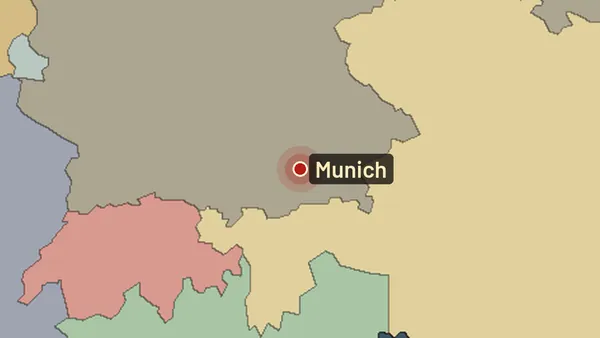 September 30, 1938The Munich AgreementIn September 1938 Britain, France, Italy and Germany agreed that Czechoslovakia must give the Sudetenland to Hitler. How the crisis unfolded and why appeasement failed.
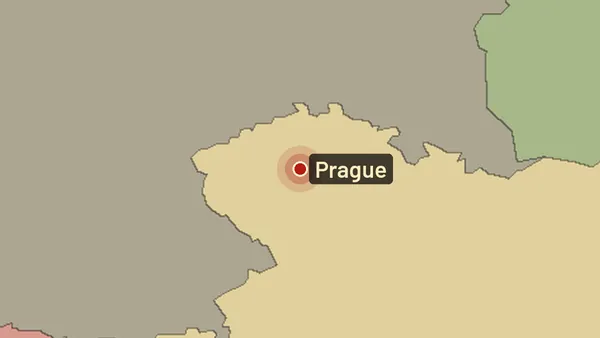 March 15, 1939Occupation of CzechoslovakiaOn 15 March 1939 German troops entered Prague and the Czech lands became a German protectorate. How it happened and why it turned Britain and France against Hitler.
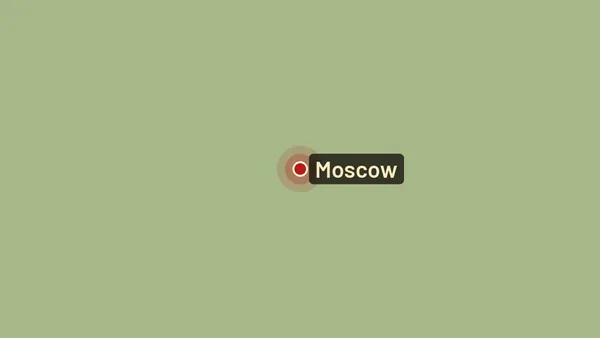 August 23, 1939The Molotov–Ribbentrop PactOn 23 August 1939 Germany and the Soviet Union signed a non-aggression pact whose secret protocol divided Eastern Europe. Why the enemies made a deal, and what followed.
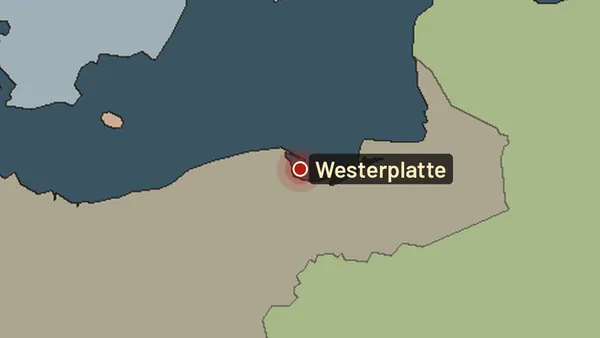 September 1, 1939Invasion of PolandOn 1 September 1939 Germany attacked Poland and Britain and France declared war. Westerplatte, the Bzura, the fall of Warsaw and the Soviet attack, explained.
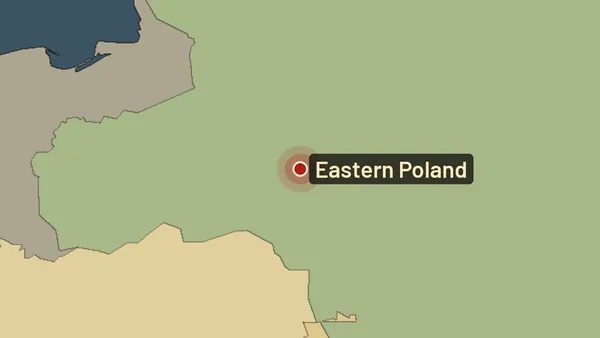 September 17, 1939Soviet invasion of PolandOn 17 September 1939 the Red Army invaded eastern Poland under the secret Nazi-Soviet protocol. The partition, the deportations and the Katyn massacre, explained.
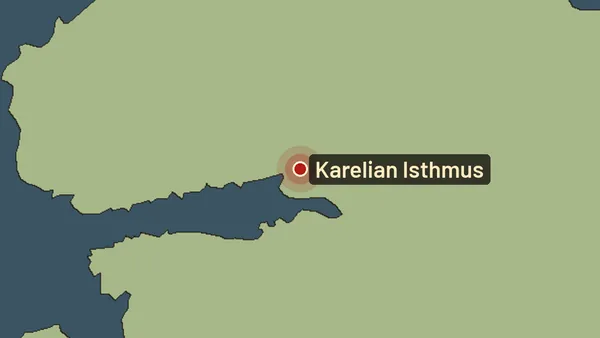 November 30, 1939Winter WarIn November 1939 the Soviet Union attacked Finland, expecting a quick win. The Mannerheim Line, Suomussalmi, the Molotov cocktail and the hard peace of 1940.
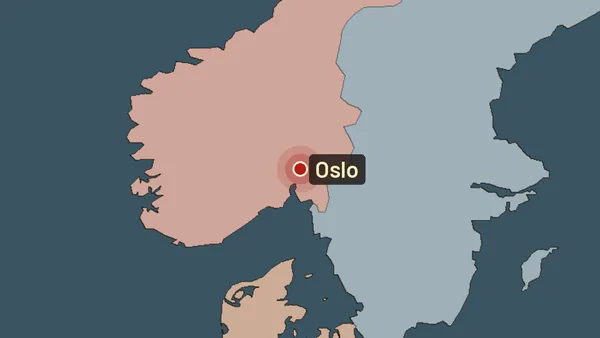 April 9, 1940Operation WeserübungOn 9 April 1940 Germany invaded Denmark and Norway. The sinking of the Blücher, the King's escape, Narvik, and how the campaign made Churchill prime minister.
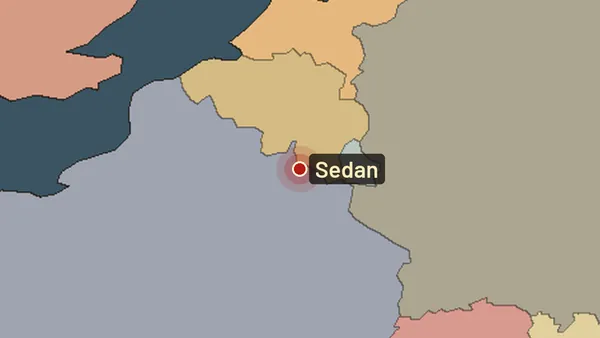 May 10, 1940Battle of FranceIn May 1940 German tanks crossed the Ardennes, broke through at Sedan and reached the Channel in ten days. How France, unbeaten in 1914–18, fell in six weeks.
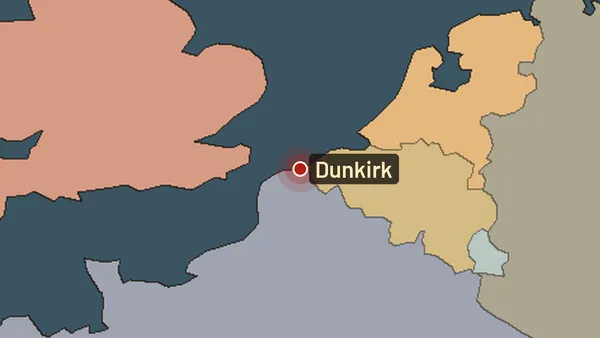 May 26, 1940Dunkirk evacuationBetween 26 May and 4 June 1940 some 338,000 Allied soldiers were rescued from Dunkirk. The halt order, the East Mole, the little ships and why it mattered.
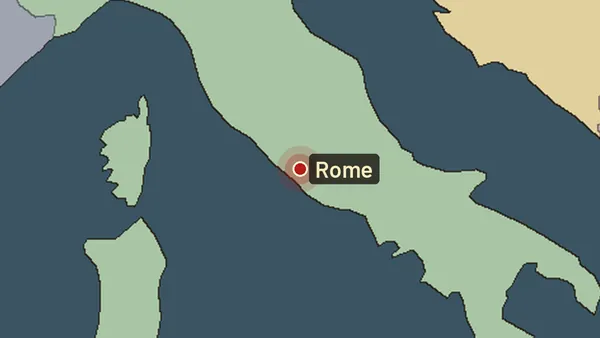 June 10, 1940Italy enters World War IIOn 10 June 1940, with France collapsing, Mussolini declared war on France and Britain. Why Italy waited, the failed Alpine offensive and the new fronts in Africa.
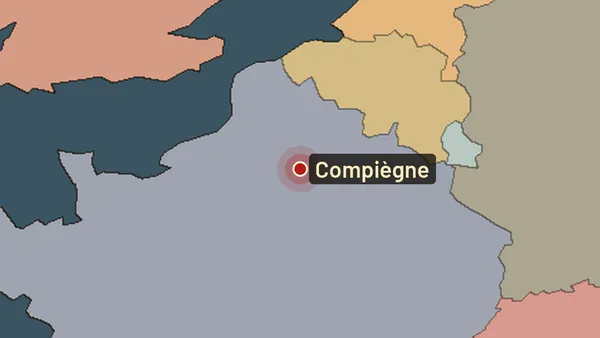 June 22, 1940Armistice of 22 June 1940On 22 June 1940 France signed an armistice at Compiègne, in the railway carriage of 1918. Its terms, the two zones, Vichy and de Gaulle's Free France, explained.
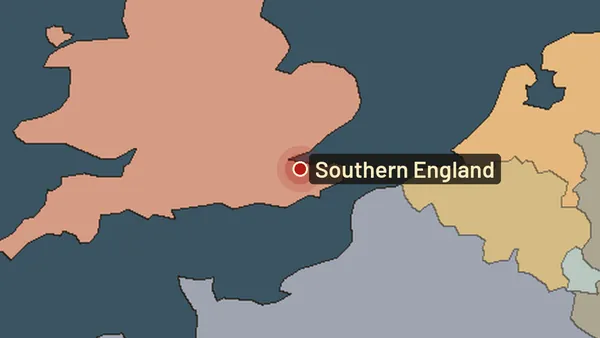 July 10, 1940Battle of BritainIn summer 1940 the Luftwaffe tried to destroy the RAF and open the way to invade Britain. Radar, the Dowding system, the Few and why Operation Sea Lion never sailed.
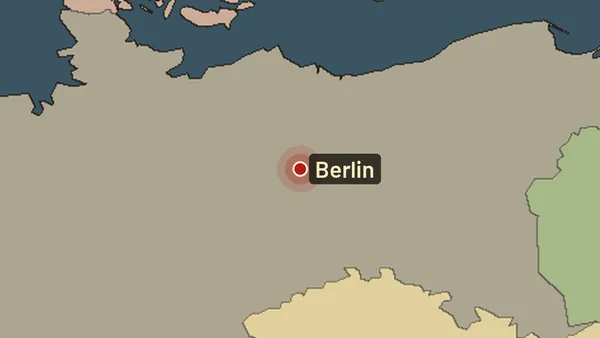 September 27, 1940Tripartite PactOn 27 September 1940 Germany, Italy and Japan signed the Tripartite Pact. What it promised, why it targeted the United States, and which countries joined later.March 11, 1941Lend-Lease ActOn 11 March 1941 Congress passed Lend-Lease, letting Roosevelt supply Britain and later the Soviet Union with arms on credit. Why it was needed and what it delivered.
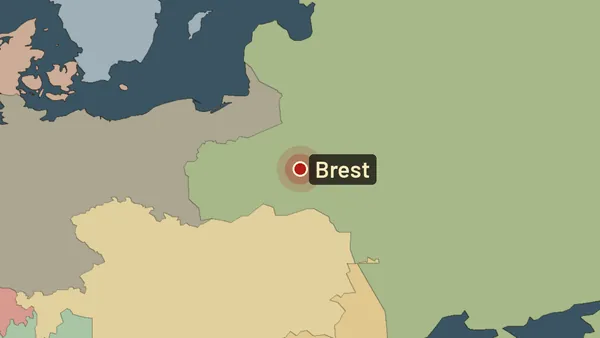 June 22, 1941Operation BarbarossaOn 22 June 1941 Germany invaded the Soviet Union in the largest land offensive in history. The great encirclements, Leningrad, Kiev and the stall before Moscow.December 7, 1941Attack on Pearl HarborOn 7 December 1941 Japanese carrier aircraft struck the US Pacific Fleet at Pearl Harbor, Hawaii. Why Japan attacked, what was hit and missed, and how it changed the war.
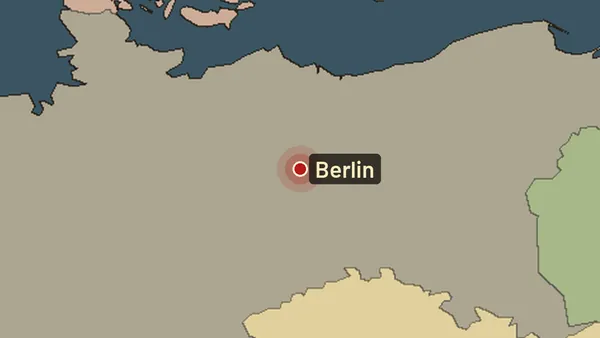 December 11, 1941Germany declares war on the USAFour days after Pearl Harbor, Hitler declared war on the United States and Italy followed. Why he did it when no treaty required it, and why it is seen as one of his worst mistakes.June 4, 1942Battle of MidwayIn June 1942 US codebreakers and carrier aircraft ambushed the Japanese fleet near Midway and sank four carriers. How the trap was set and why the battle turned the Pacific War.
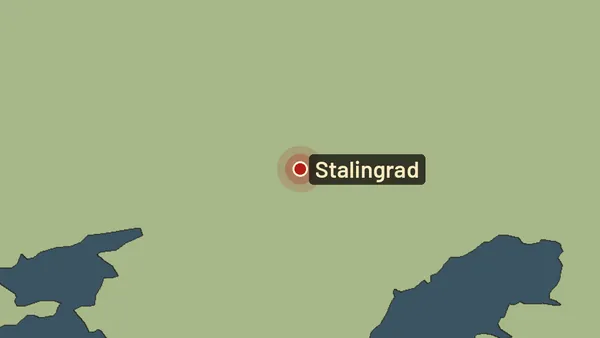 August 23, 1942Battle of StalingradFrom August 1942 to February 1943 German and Soviet armies fought for Stalingrad on the Volga. How the city battle began and how the Red Army trapped the German 6th Army.
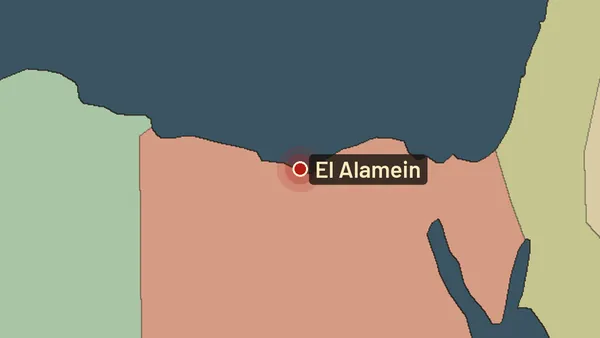 October 23, 1942Second Battle of El AlameinIn October and November 1942 Montgomery's Eighth Army broke Rommel's German-Italian army at El Alamein in Egypt. How the battle was fought and why it turned the desert war.
 July 5, 1943Battle of KurskIn July 1943 Germany attacked the Kursk salient with new Tiger and Panther tanks and ran into deep Soviet defences. How Operation Citadel failed and the initiative passed east.
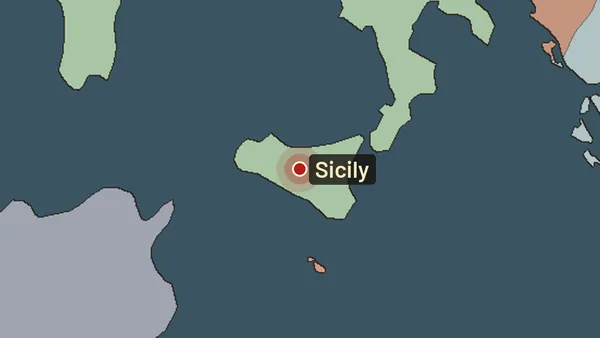 July 10, 1943Sicily and the Italian armisticeIn July 1943 the Allies landed in Sicily, Mussolini fell within weeks, and on 8 September Italy announced an armistice. How Italy left the Axis and why Germany occupied the country.
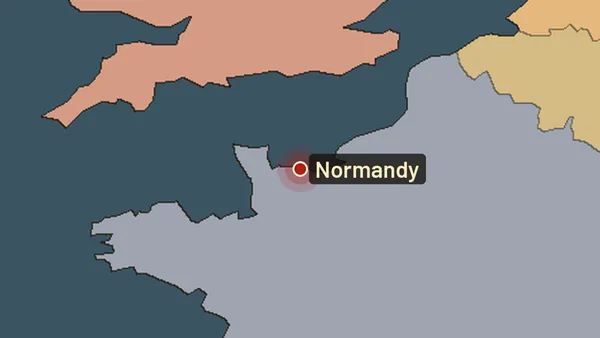 June 6, 1944D-Day (Normandy landings)On 6 June 1944 Allied armies landed on five Normandy beaches in the largest seaborne invasion in history. How Overlord was planned, what happened on D-Day and how Normandy was won.
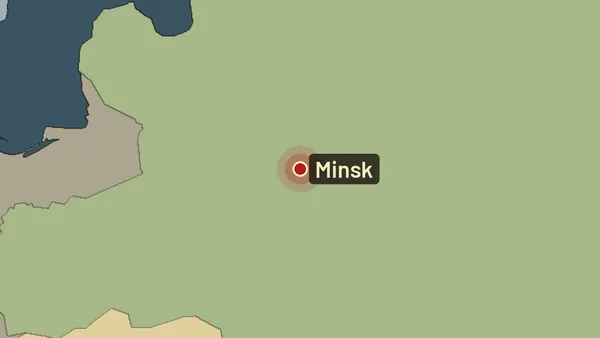 June 22, 1944Operation BagrationIn June 1944 the Red Army attacked in Belarus and within weeks destroyed most of Army Group Centre, advancing hundreds of kilometres to the Vistula. How it worked and why it mattered.
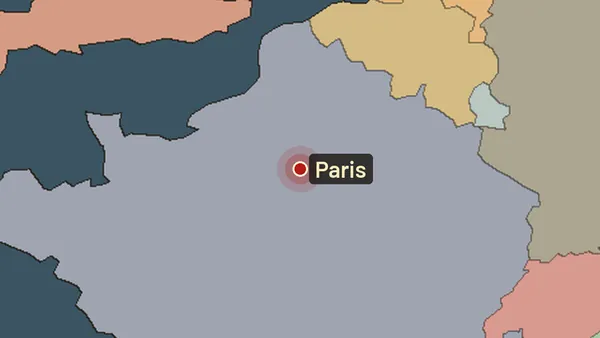 August 19, 1944Liberation of ParisIn August 1944 the Paris Resistance rose against the German garrison and French and American troops entered the city. How Paris was freed after four years, and why it was spared.
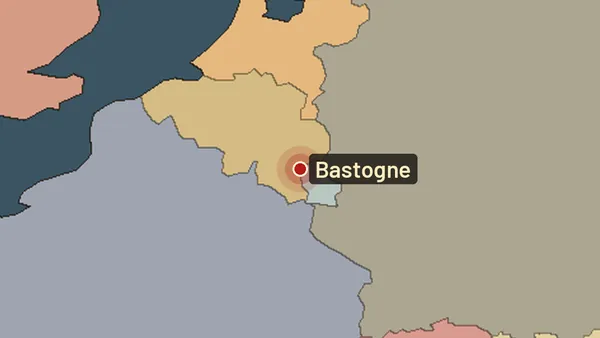 December 16, 1944Battle of the BulgeIn December 1944 Germany launched a surprise offensive through the snowy Ardennes towards Antwerp. How it broke through, why Bastogne held, and how it spent the last reserves.
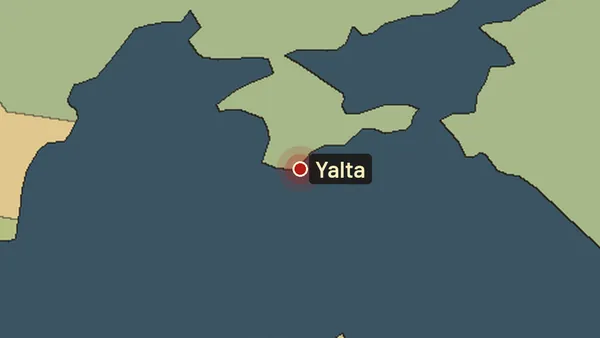 February 4, 1945Yalta ConferenceIn February 1945 Roosevelt, Churchill and Stalin met at Yalta to settle the fate of Germany, Poland, the United Nations and the war with Japan. What they agreed and why it is debated.
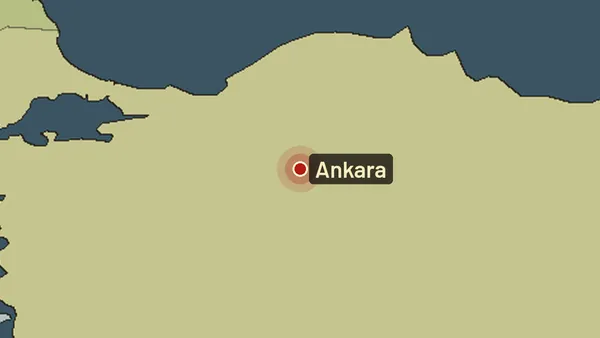 February 23, 1945Turkey declares war (1945)On 23 February 1945 neutral Turkey declared war on Germany and Japan. Why İnönü's Turkey stayed neutral for years and joined only weeks before the end.
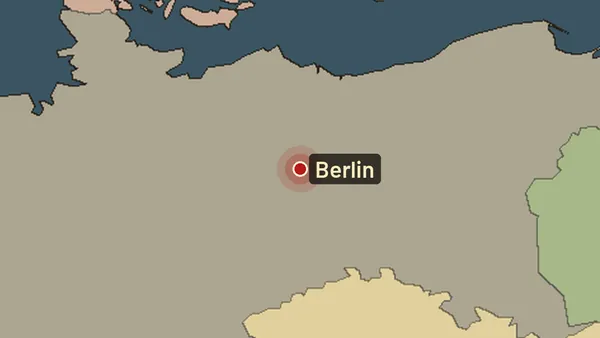 April 16, 1945Battle of BerlinIn April 1945 the Red Army stormed the Seelow Heights, encircled Berlin and fought street by street to the Reichstag. How Europe's last great battle was fought.
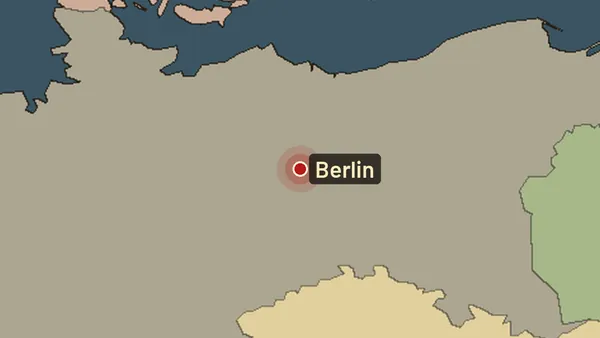 May 8, 1945German surrender and V-E DayIn May 1945 Germany signed an unconditional surrender twice, at Reims and in Berlin-Karlshorst. How the war in Europe ended and why Russia celebrates on 9 May, not 8 May.August 6, 1945Hiroshima and NagasakiOn 6 and 9 August 1945 the United States dropped atomic bombs on Hiroshima and Nagasaki. How the bombs were built, what they did to both cities, and the debate since.August 8, 1945Soviet invasion of ManchuriaOn 8 August 1945 the Soviet Union declared war on Japan and overran Manchuria within days. Why Stalin entered the Pacific War and what it left behind.August 15, 1945Surrender of JapanOn 15 August 1945 Emperor Hirohito told his people Japan would surrender, and on 2 September the act was signed aboard USS Missouri. How the war finally ended.
Alternate history
Play this moment
Free in your browser, no download needed.