World Wars: 1914–20XX
First World War (1914–1918)
Italy in World War I (1915–1918): from the Isonzo to Vittorio Veneto
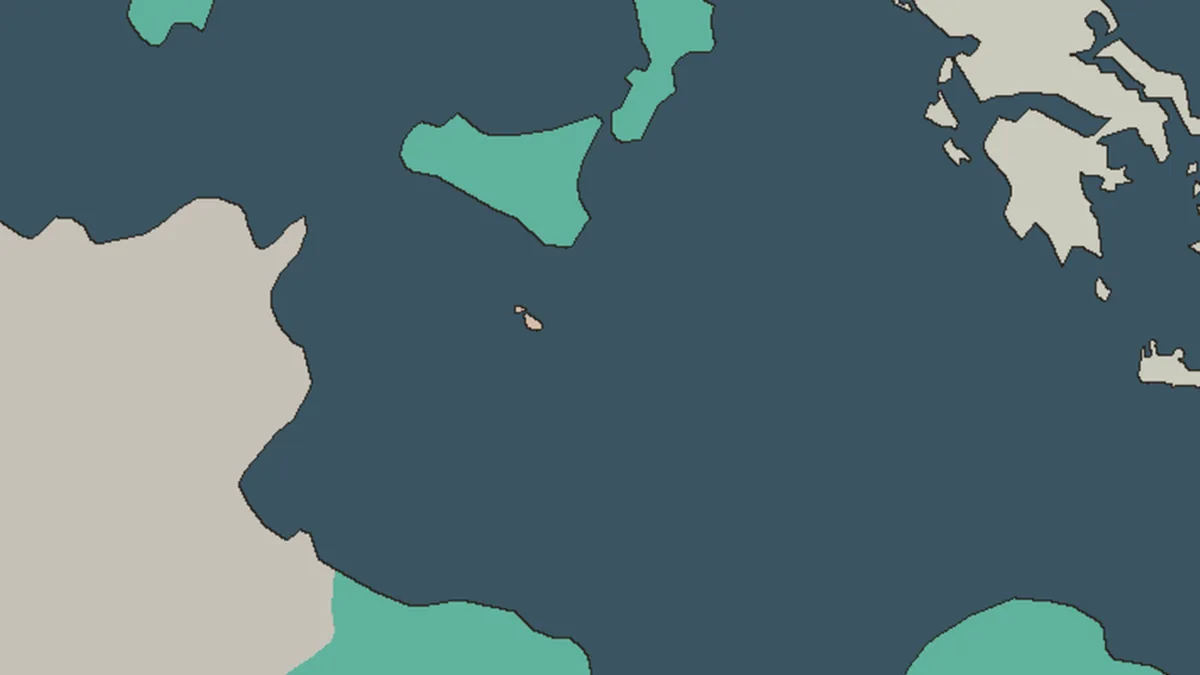
Italy was the one great power that chose its side after the war had already begun. A member of the Triple Alliance with Germany and Austria-Hungary since 1882, it declared neutrality in August 1914, bargained with both camps, and in May 1915 entered the war against its former ally Austria-Hungary in return for promises of territory. Three and a half years of mountain warfare followed, including one of the worst defeats of the war at Caporetto and a final victory at Vittorio Veneto. The peace that followed left many Italians feeling cheated, with consequences that reached far beyond 1918.
An ally that stayed out
On paper Italy was bound to Germany and Austria-Hungary. In practice relations with Vienna were poor. Austria-Hungary still ruled lands with large Italian-speaking populations, above all Trentino and the port of Trieste, which Italian nationalists called the "unredeemed" lands. The Triple Alliance was also defensive, and Austria-Hungary had attacked Serbia without consulting Rome. On 2 August 1914 the government of Antonio Salandra declared neutrality.
Over the winter of 1914–15 Italy negotiated with both sides. Austria-Hungary offered little and late. The Entente could promise more, since it was offering its enemy's land. By the secret Treaty of London, signed on 26 April 1915, Britain, France and Russia promised Italy Trentino, South Tyrol up to the Brenner Pass, Trieste, Istria, much of Dalmatia and other gains if it entered the war within a month.
Most Italians, including the Catholic Church, the Socialists and the former prime minister Giovanni Giolitti, wanted to stay out. But noisy interventionist demonstrations in the "radiant May" of 1915, backed by nationalists, the poet Gabriele D'Annunzio and a former socialist journalist named Benito Mussolini, supported the king and government. Italy declared war on Austria-Hungary on 23 May 1915. It declared war on Germany only in August 1916.
War in the mountains
Italy's border with Austria-Hungary ran through the Alps, and the Austro-Hungarians held most of the high ground. The chief of staff, General Luigi Cadorna, focused his main effort in the east, along the river Isonzo, aiming at Gorizia and Trieste across the rocky Karst plateau. Between June 1915 and September 1917 he launched eleven battles of the Isonzo. Gains were measured in a few kilometres; Gorizia was taken in August 1916 at heavy cost. Cadorna was a harsh commander who dismissed hundreds of officers and imposed brutal discipline, including executions and the decimation of units that broke.
In the high Alps, soldiers fought what became known as the "White War", at altitudes of 3,000 metres and more, tunnelling into glaciers and blasting peaks with mines. Cold and avalanches killed many thousands. In May 1916 Austria-Hungary launched a punitive offensive from Trentino, the Strafexpedition, which was stopped after early gains.
Caporetto and the Piave
On 24 October 1917 German and Austro-Hungarian troops attacked near Caporetto (today Kobarid in Slovenia), using gas, short intense bombardments and infiltration tactics. The Italian front collapsed. In the retreat to the river Piave, Italy lost its gains of two and a half years, and roughly 260,000 to 300,000 men were taken prisoner. Among the young German officers who distinguished themselves was Erwin Rommel.
The disaster also produced a recovery. Cadorna was replaced by General Armando Diaz, who improved soldiers' conditions and leave; Vittorio Emanuele Orlando became prime minister; and British and French divisions were sent to Italy. The line held on the Piave and on Monte Grappa. In June 1918 a last great Austro-Hungarian offensive across the Piave was beaten back.
Vittorio Veneto and a "mutilated victory"
In late October 1918, as Austria-Hungary was breaking apart, Diaz attacked across the Piave towards Vittorio Veneto. The Austro-Hungarian army disintegrated, and the armistice of Villa Giusti was signed on 3 November and came into force the following day. Italian troops entered Trento and landed at Trieste.
At the Paris Peace Conference Italy received Trentino, South Tyrol, Trieste and Istria, but not Dalmatia, and its demand for the port of Fiume (Rijeka) was rejected, partly because of opposition from President Wilson. D'Annunzio's phrase "mutilated victory" captured the anger of many Italians who felt their sacrifices had been ignored. In September 1919 D'Annunzio seized Fiume with a band of volunteers. Combined with post-war economic crisis and social unrest, this bitterness helped Mussolini's Fascists come to power in 1922.
Did you know?
- The young Ernest Hemingway served as a volunteer ambulance driver in Italy and was badly wounded near the Piave in July 1918; the experience became the basis of his novel A Farewell to Arms.
- Italy's 4 November, the day the armistice took effect, is still marked as the Day of National Unity and the Armed Forces.
Italy in World Wars: 1914–20XX
Italy is one of the 26 states on the 1914 map, so you can lead it, and its entry is in the in-game encyclopedia from the start. In the Historical (1914) scenario Italy begins neutral. On 26 April 1915 the game pauses and you choose its path: sign the Treaty of London and join the Entente, which means war with Austria-Hungary and a new front; stay loyal to the Triple Alliance and fight France; or remain neutral and gain some stability. Choosing differently from history creates an alternate war. Later events include Caporetto, Vittorio Veneto and the armistice of Villa Giusti.
In the Parallel Fronts scenario the Alps are crossed by armoured divisions and bomber wings rather than mule trains. Will you march on Trieste, or turn the war in a direction Salandra never dared?
▶ Play now Free in your browser, no download needed.
Further reading: Wikipedia (English)