World Wars: 1914–20XX
First World War (1914–1918)
Enver Pasha (1881–1922): the war minister who took the Ottomans into WWI
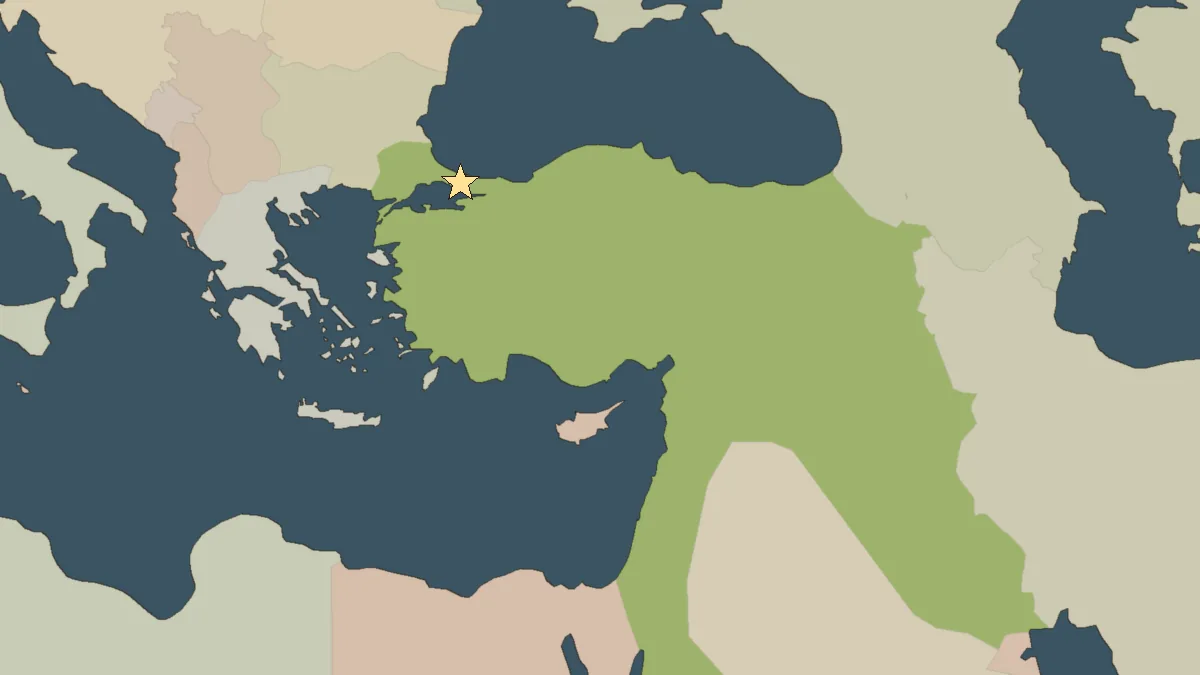
Few men shaped the last years of the Ottoman Empire as much as İsmail Enver. A dashing young officer who became a hero of the 1908 revolution, he was minister of war at 32 and, more than anyone else, the man who brought the empire into the First World War on Germany's side. His bold, often reckless decisions produced the disaster of Sarıkamış, and his career ended far from home, in a cavalry charge against the Red Army in Central Asia.
Officer and revolutionary
Enver was born in Istanbul in 1881, the son of a modest official. He trained at the military academies of the capital and was posted to Macedonia, a region torn by guerrilla warfare between rival Balkan nationalist bands. There, like many young officers, he joined the secret Committee of Union and Progress (CUP), which wanted to save the empire by restoring the constitution and modernising the state.
In July 1908 Enver and fellow officer Ahmed Niyazi took to the hills with armed followers, and the revolt spread until Sultan Abdülhamid II restored the constitution. Enver was hailed as a "hero of liberty". He then served as military attaché in Berlin, where he developed a lasting admiration for the German army.
When Italy invaded Libya in 1911, Enver went there in disguise and organised Arab tribal resistance around Derna and Benghazi. During the Balkan Wars he returned to Istanbul, and on 23 January 1913 he led a small group in a raid on the Sublime Porte, the seat of government. The war minister Nazım Pasha was shot dead in the confusion and the grand vizier forced to resign. In July 1913, during the Second Balkan War, Enver led troops back into Edirne, which the Bulgarians had taken months earlier. It made him a national hero once again.
Minister of war
In January 1914 Enver became minister of war and was promoted to pasha. The same year he married Princess Naciye, a niece of Sultan Mehmed V, which made him a member of the imperial family by marriage. He purged hundreds of older officers and pressed on with reforming the army with the help of a German military mission led by General Otto Liman von Sanders.
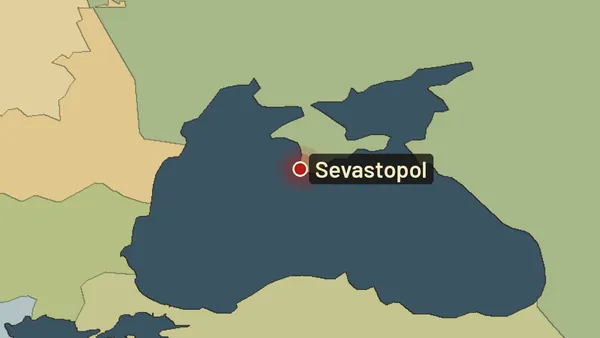
Enver was the strongest advocate of an alliance with Germany. On 2 August 1914 a secret treaty was signed, at first known to only a handful of leaders. The German warships Goeben and Breslau, which escaped to Istanbul, were taken into the Ottoman navy as Yavuz and Midilli. On 29 October, with Enver's knowledge, the fleet under the German admiral Wilhelm Souchon bombarded Russian ports in the Black Sea. Russia declared war on 2 November and Britain and France followed.
Sarıkamış and the war years
Enver took personal command of the Third Army in the Caucasus and in December 1914 launched an ambitious encirclement of the Russian forces at Sarıkamış. The plan sent troops over high mountain passes in deep snow, with too little food and winter clothing. The offensive collapsed in January 1915. Estimates of Ottoman losses vary widely, but tens of thousands of men died, many of them from cold and disease rather than in battle. Few Ottoman disasters of the war were greater.
Enver remained deputy commander-in-chief, the highest military post below the sultan. The empire held Gallipoli in 1915 and won at Kut in 1916, but lost ground in the Caucasus, Mesopotamia and Palestine. In 1918, after Russia left the war, he sent the Army of Islam under his brother Nuri Pasha into the Caucasus, which took Baku in September.
Flight and death
When the empire signed the Armistice of Mudros on 30 October 1918, the CUP leaders knew they would be held accountable. On the night of 1–2 November Enver, Talat and Cemal left Istanbul on a German ship. An Ottoman court-martial in 1919 sentenced them to death in absentia.
Enver went to Berlin and then to Soviet Russia, hoping to use Bolshevik support to raise the Muslim world against Britain, and he attended the Congress of the Peoples of the East in Baku in 1920. In 1921 he travelled to Bukhara in Central Asia, where he changed sides and joined the Basmachi rebels fighting Soviet rule. On 4 August 1922 he was killed in a clash with Red Army troops near Dushanbe, aged 40. In 1996 his remains were brought to Istanbul and reburied at the Monument of Liberty (Abide-i Hürriyet) in Şişli.
Did you know?
- Enver was 32 when he became minister of war, extraordinarily young for the post in any great power of the time.
- His brother Nuri Pasha and his uncle Halil Pasha (Kut) were also prominent Ottoman commanders in the war.
Enver Pasha in World Wars: 1914–20XX
In the Historical (1914) scenario, Enver's great decision becomes yours. The Ottoman entry into the war arrives on 29 October 1914 and pauses the game: join the Central Powers or keep the empire in armed neutrality, which improves stability but strains relations with Germany. If you enter the war, Russia, Britain and France declare war, the Caucasus and Mesopotamian fronts open and the straits close. The Enver Pasha entry then unlocks in the in-game encyclopedia.
Weeks later the Sarıkamış event brings heavy manpower losses and winter attrition around Kars. Can you avoid Enver's mistakes while still saving the empire?
▶ Play now Free in your browser, no download needed.
Further reading: Wikipedia (English)