World Wars: 1914–20XX
First World War (1914–1918)
Belgium in World War I (1914–1918): invasion, the Yser and occupation
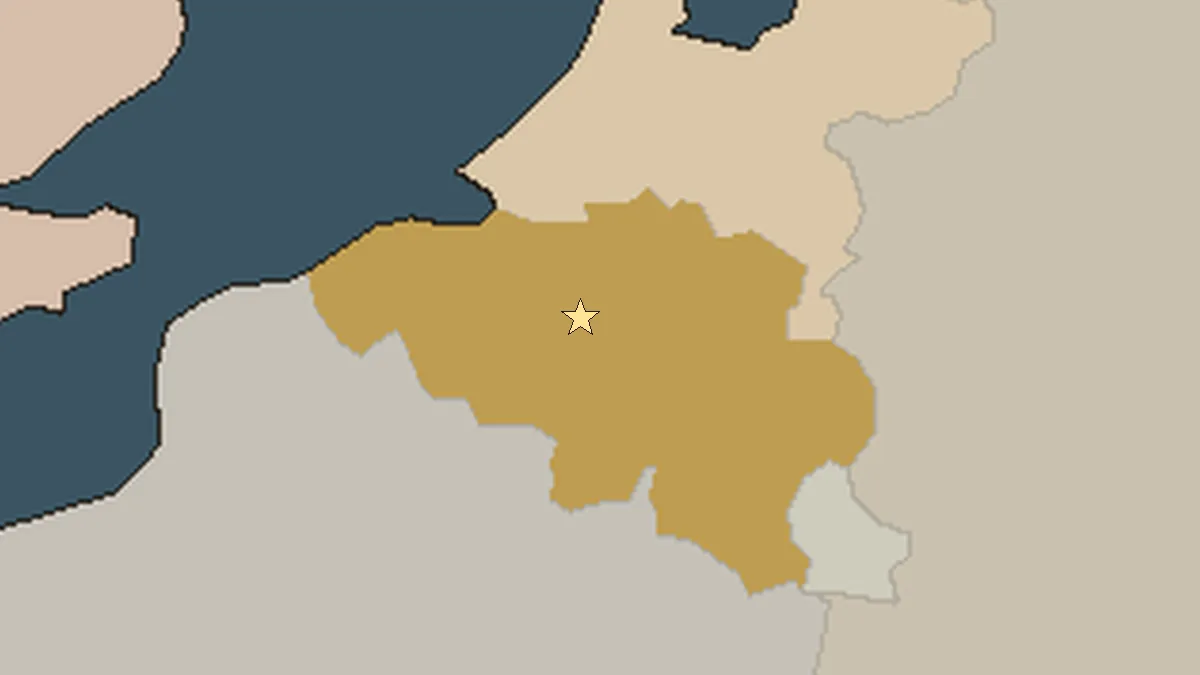
Belgium did not choose to fight in the First World War. It was a small, neutral and densely populated country whose misfortune was to lie on the shortest route from Germany into northern France. When Germany demanded free passage in August 1914 and King Albert I refused, the invasion that followed brought Britain into the war, gave the Allies a powerful moral cause and subjected almost all of Belgium to four years of occupation. A small strip of Flanders behind the river Yser remained free for the whole war, held by the Belgian army and its king.
A guaranteed neutrality
Belgium had become independent in 1830, and under the Treaty of London of 1839 the great powers, including Prussia, Britain and France, guaranteed its permanent neutrality. In 1914 it was one of the most industrialised countries in the world, with a small army that was in the middle of a reorganisation.
Germany's war plan, however, depended on outflanking the French frontier fortresses by marching through Belgium. On 2 August 1914 Germany sent Brussels an ultimatum demanding free passage for its troops and promising compensation. The Belgian government refused the next day. On 4 August German troops crossed the border, and the same day Britain, one of the guarantors, declared war on Germany. The German chancellor, Theobald von Bethmann Hollweg, is reported to have told the British ambassador that Britain was going to war over "a scrap of paper", a phrase that became a powerful weapon of Allied propaganda.
Liège, Louvain and the march west
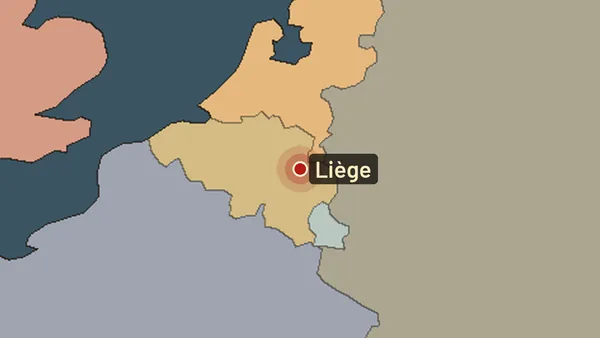
The fortress city of Liège, ringed by twelve forts, stood in the path of the German armies. German infantry broke into the city itself within days, but the forts held out until the arrival of the huge German and Austro-Hungarian siege howitzers. The last of them fell on 16 August. The resistance delayed the German timetable by a few days and won Belgium worldwide admiration as "brave little Belgium".
The invasion was accompanied by mass violence against civilians. German troops, convinced that they were being attacked by civilian snipers, shot hostages and burned villages and towns. Around 6,000 civilians were killed in Belgium and northern France in the first weeks of the war. At Dinant several hundred inhabitants were executed on 23 August, and at Louvain (Leuven) the university library, with its medieval manuscripts and hundreds of thousands of books, was burned on 25 August. Historians today broadly agree that these killings were real and systematic, although Allied propaganda also spread invented stories alongside them.
The stand on the Yser
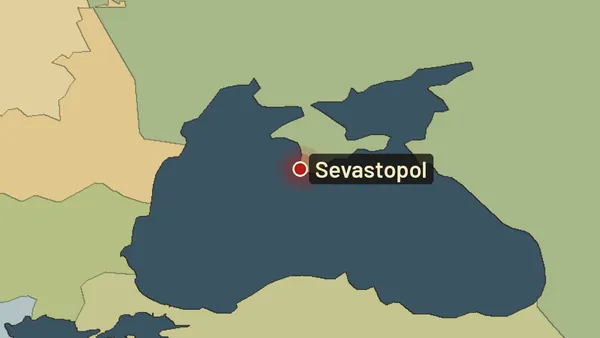
The Belgian field army fell back on the fortress of Antwerp and made sorties against the German flank, but Antwerp fell on 10 October 1914. The army escaped west along the coast and took up position behind the small river Yser, at the last corner of unoccupied Belgium. In the second half of October, exhausted Belgian troops, with French support, held off repeated German attacks. At the end of the month they opened the sluices at Nieuwpoort and let the sea flood the low-lying land between the lines. The water stopped the German advance, and the Yser front remained almost unchanged until 1918.
King Albert stayed with his soldiers in this small strip of free territory for the whole war, while Queen Elisabeth worked with the wounded. The government moved to Sainte-Adresse near Le Havre in France.
Four years of occupation
Behind the lines, most of Belgium was governed by a German military administration in Brussels. The occupiers requisitioned food, raw materials and machinery, and in 1916–17 deported many thousands of Belgian men to work in Germany, provoking international protests. They also pursued a "Flemish policy", favouring Flemish nationalists in an attempt to split the country.
At the start of the war around a million Belgians fled abroad, to the Netherlands, France and Britain; many stayed away for years. For those at home, food imports were vital, and the Commission for Relief in Belgium, organised by the American engineer Herbert Hoover, shipped food into the occupied country throughout the war. Resistance took the form of underground newspapers such as La Libre Belgique, intelligence networks and escape lines. The British nurse Edith Cavell, who helped Allied soldiers escape from Brussels, was executed by the Germans in October 1915.
Liberation
In the final offensive of September and October 1918, the Belgian army formed part of an Allied army group in Flanders under King Albert's command and advanced out of the Yser front for the first time in four years. King Albert re-entered Brussels on 22 November 1918. At the peace conference Belgium received the districts of Eupen and Malmedy from Germany and a League of Nations mandate over Ruanda-Urundi in Africa. It also gave up its guaranteed neutrality and signed a military agreement with France in 1920.
Did you know?
- The Menin Gate in Ypres bears the names of more than 54,000 Commonwealth soldiers with no known grave, and every evening since 1928, apart from the years of German occupation in the Second World War, buglers have played the Last Post there.
- The Belgian army in 1914 still used dogs to pull some of its machine guns on small carts.
Belgium in World Wars: 1914–20XX
Belgium is one of the 26 states on the 1914 map, so you can lead it yourself. In the Historical (1914) scenario the invasion arrives on 4 August 1914: Germany declares war on Belgium, Britain declares war on Germany, Belgium and Britain join the Entente, the Western Front opens and British war support rises. The Belgium entry unlocks in the in-game encyclopedia at that moment.
In the Parallel Fronts scenario German armoured divisions and bomber wings can cross Belgium far faster than the infantry of 1914. Can you hold Liège and the Yser long enough for your allies to arrive?
▶ Play now Free in your browser, no download needed.
Further reading: Wikipedia (English)