World Wars: 1914–20XX
First World War (1914–1918)
Romania enters the war (1916): the Transylvania gamble and fall of Bucharest
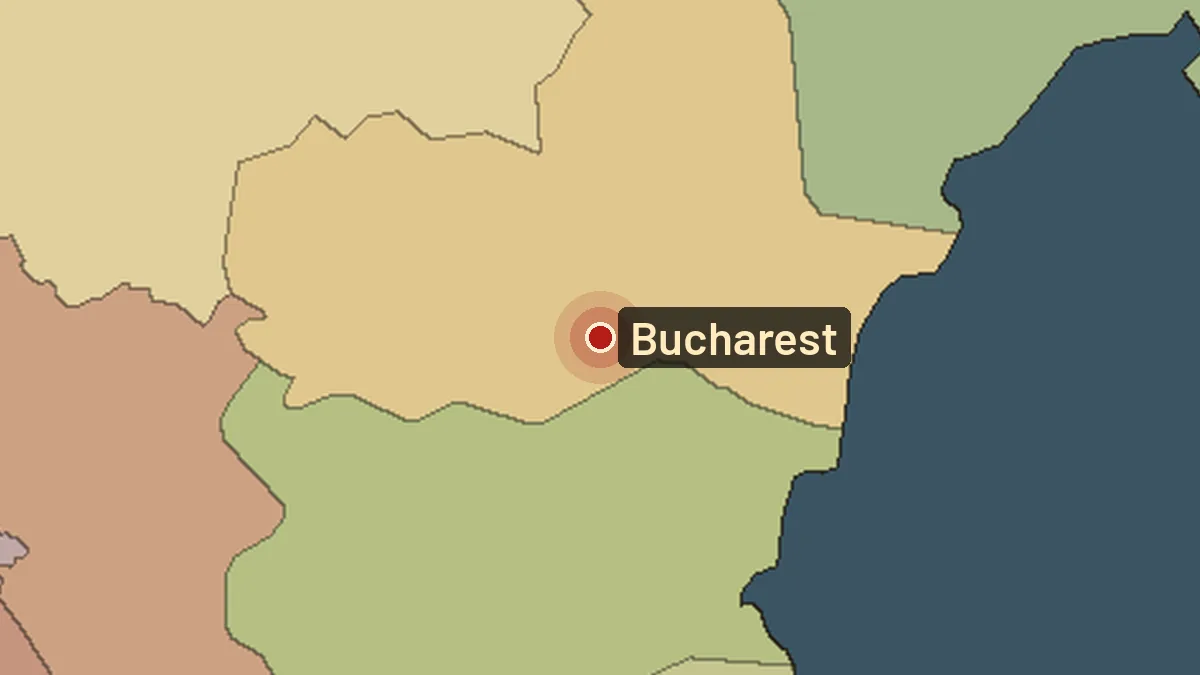
On 27 August 1916, encouraged by the great Russian victory in the Brusilov Offensive, Romania declared war on Austria-Hungary. Its army marched across the Carpathians into Transylvania, the Habsburg province with a large Romanian population that nationalists had long dreamed of uniting with the kingdom. Barely a hundred days later, German, Austro-Hungarian, Bulgarian and Ottoman troops paraded through Bucharest. Romania's entry was one of the great gambles of the war, and in 1916 it ended in disaster, though the country would win its prize two years later.
Two years of waiting
Romania was a young kingdom. Its king in 1914, Carol I, came from the German Hohenzollern family, and since 1883 Romania had been secretly allied to Germany and Austria-Hungary. But public opinion looked elsewhere. Some three million Romanians lived in Transylvania and the Banat under Hungarian rule, and many more in Bukovina. When war broke out, the Crown Council decided to stay neutral. Carol died that October and was succeeded by his nephew Ferdinand, whose wife, Queen Marie, was a granddaughter of Queen Victoria and openly pro-Allied.
The real decision-maker was the prime minister, Ion I. C. Brătianu. For two years he bargained with both sides, waiting for the moment when entering the war would bring the greatest reward at the lowest risk. The Brusilov Offensive seemed to be that moment. On 17 August 1916 Romania signed a secret treaty with the Allies in Bucharest, promising it Transylvania, the Banat and Bukovina in exchange for joining the war.
Into Transylvania
Romania mobilised an army of some 800,000 men, but it was short of heavy artillery, machine guns and officers with modern experience, and its supplies depended on long routes through Russia. On the night of 27–28 August its armies crossed the mountain passes into Transylvania. They faced only weak Austro-Hungarian forces, took Brașov (Kronstadt) and advanced slowly into the province.
The Central Powers had prepared for this. Germany declared war on Romania on 28 August, and the Ottoman Empire and Bulgaria followed within days. Romania's southern border along the Danube and in Dobruja now faced Bulgaria, a country that had lost southern Dobruja to Romania in 1913 and wanted it back.
The counter-attack from two sides
The first blow came from the south. Field Marshal August von Mackensen led an army of Bulgarian, German and Ottoman troops into Dobruja. On 6 September the Danube fortress of Turtucaia (Tutrakan) fell to Bulgarian and German forces after a short siege, with tens of thousands of Romanian soldiers captured. The shock made the Romanian high command halt the Transylvanian offensive and shift troops south, while Russian forces came to help in Dobruja. Mackensen pushed on and took the port of Constanța on 22 October.
Meanwhile Erich von Falkenhayn, who had just been replaced as German chief of staff, took command of the new German Ninth Army in Transylvania. In late September he defeated the Romanians at Sibiu (Hermannstadt), recaptured Brașov in early October and drove them back to the passes. The Romanians held the mountains for several weeks, but in November Falkenhayn's troops broke through the Jiu valley into the plains of Wallachia.
On 23 November Mackensen's forces crossed the Danube at Svishtov, south-west of Bucharest. The Romanian army, with a French military mission under General Henri Berthelot advising it, made a last stand on the Argeș river in early December, but was defeated. Bucharest fell on 6 December 1916. The government, the court and the remains of the army withdrew to Moldavia, with Iași as the temporary capital.
Grain, oil and a later victory
The occupation gave the Central Powers what they had most wanted: Romania's wheat and its oilfields around Ploiești, the largest in Europe outside Russia. A British team led by Colonel John Norton-Griffiths had sabotaged many wells and refineries before the Germans arrived, but production was restored within months and helped keep the German war effort going.
In Moldavia the Romanian army was rebuilt with French help. In the summer of 1917 it fought well, defeating German attacks at Mărășești in August. But when Russia collapsed into revolution, Romania was left alone and had to sign an armistice in December 1917 and a harsh peace in May 1918. It re-entered the war on 10 November 1918, a day before the armistice in the West. By the end of 1918 Bessarabia, Bukovina and Transylvania had all declared union with Romania, and the peace treaties confirmed a "Greater Romania" twice its pre-war size.
Did you know?
- The Ottoman Empire sent an army corps to fight in Dobruja and Wallachia in 1916, far from its own borders.
- Queen Marie of Romania became one of the most famous figures of the war in Allied countries, visiting hospitals and later lobbying for Romania at the Paris Peace Conference.
Romania in World Wars: 1914–20XX
In the Historical (1914) scenario Romania joins the Entente on 27 August 1916, declares war on Austria-Hungary, and a new Romanian front opens. The Romania entry unlocks in the in-game encyclopedia. Romania is one of the 26 states on the 1914 map, so you can lead it yourself from the very first day.
As Romania, you can choose when to strike, perhaps earlier or better prepared, and try to hold Bucharest where Brătianu could not. As the Central Powers, you must answer a new front in the Balkans while still fighting everywhere else. In the Parallel Fronts scenario, armoured spearheads cross the Wallachian plain in days, for better or worse. Will your Romania end up occupied, or greater?
▶ Play now Free in your browser, no download needed.
Further reading: Wikipedia (English)
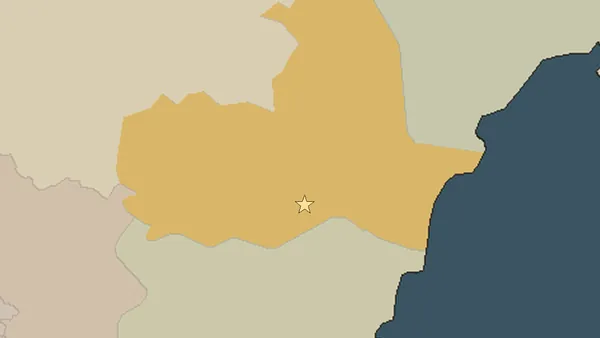 Romania in World War I