World Wars: 1914–20XX
First World War (1914–1918)
The Murder of Rasputin (December 1916): the night that shook the Romanovs
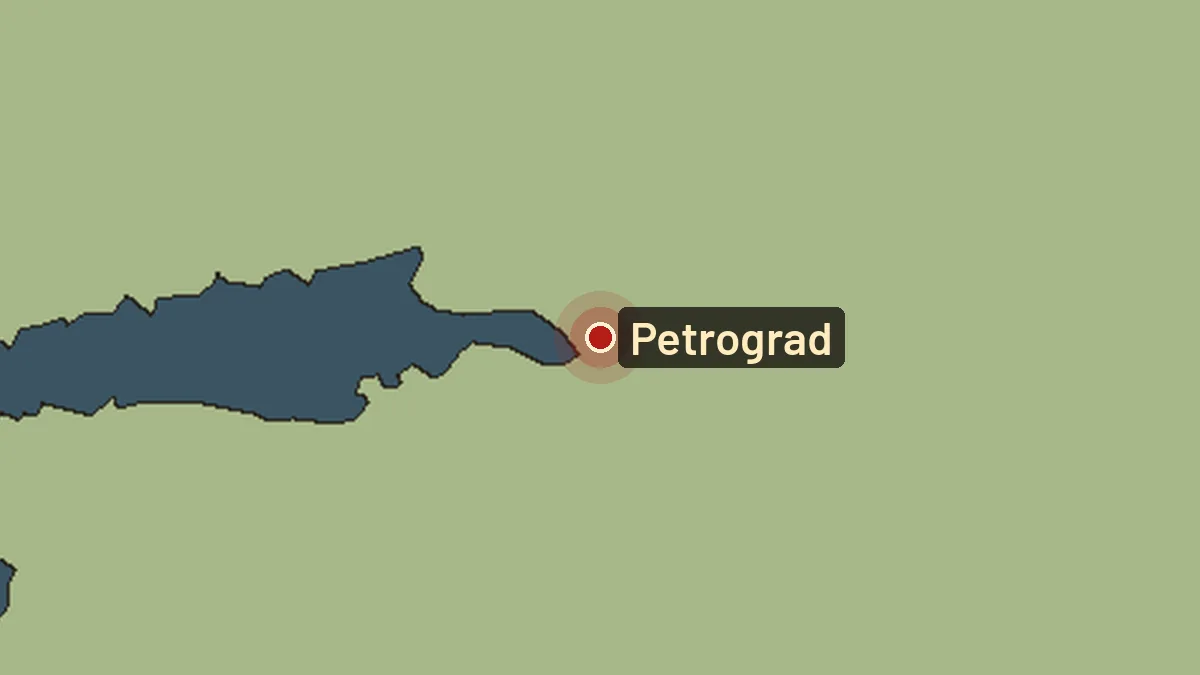
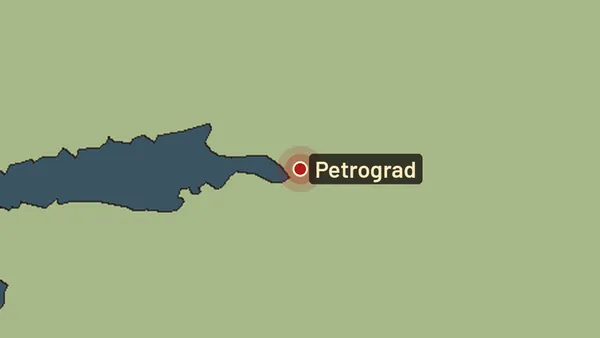
In the early hours of 30 December 1916, a group of Russian aristocrats killed Grigori Rasputin in a palace in Petrograd and threw his body into the frozen river. They believed they were saving the empire from a sinister influence over the Tsar and Tsarina. Instead, the murder revealed how isolated the Romanov dynasty had become, even among its own family. Less than three months later Nicholas II was no longer Tsar.
The holy man from Siberia
Rasputin was born in 1869 in the village of Pokrovskoye in western Siberia. He had little formal education and was never a monk or priest, but after years of pilgrimage he gained a reputation as a starets, a wandering holy man with spiritual gifts. By 1905 he had been introduced into the circles of the capital and met Nicholas II and Empress Alexandra.
The key to his influence was the heir to the throne, Alexei, who suffered from haemophilia, a disease that kept his blood from clotting properly. A fall or bruise could bring days of pain and danger. On several occasions Rasputin seemed to calm the boy and ease his bleeding, sometimes by a visit, once, in 1912, apparently by a telegram. How he did it is still debated; his soothing presence may have helped. To Alexandra, who blamed herself for passing on the illness, he seemed the only one who could save her son.
Outside the palace Rasputin's heavy drinking and scandalous behaviour were widely talked about. The illness of the heir was kept a state secret, so the public saw only a disreputable peasant with unexplained access to the imperial family.
War and "dark forces"
The First World War turned gossip into a political crisis. In September 1915, after the great retreat from Poland, Nicholas took personal command of the army and left for headquarters at Mogilev. Day-to-day government in Petrograd fell increasingly to Alexandra, who often consulted Rasputin about appointments. In 1915 and 1916 ministers were replaced so often that the period became known as "ministerial leapfrog", and many of the newcomers were seen as Rasputin's choices.
Alexandra was born a German princess, and rumours spread that she and Rasputin were working for a separate peace with Germany. There was no evidence of treason, but in wartime the rumours were deadly to the monarchy's reputation. In November 1916 the liberal leader Pavel Milyukov attacked the government in the Duma, repeatedly asking whether its failures were "stupidity or treason". A few weeks later the right-wing deputy Vladimir Purishkevich, a fierce monarchist, denounced the "dark forces" around the throne.
The night at the Moika Palace
Purishkevich joined a plot organised by Prince Felix Yusupov, the heir to one of Russia's richest families and husband of the Tsar's niece. Grand Duke Dmitri Pavlovich, the Tsar's cousin, also took part. On the night of 29–30 December 1916 (16–17 December in the Russian calendar) Yusupov invited Rasputin to his palace on the Moika canal, reportedly with the promise of meeting his beautiful wife.
What happened next comes mainly from the conspirators' own later accounts, which disagree with each other and with the evidence. According to Yusupov, Rasputin was given cakes and wine laced with cyanide but showed no effect. Yusupov then shot him, and when Rasputin later seemed to revive and fled into the courtyard, Purishkevich fired more shots. The body was taken by car and thrown through a hole in the ice of the Malaya Nevka river. It was found on 1 January 1917.
The autopsy found gunshot wounds, including a final shot to the head, but historians still disagree about whether any poison was present and whether he was still alive when he entered the water. The famous image of a man who survived poison, bullets and drowning owes more to Yusupov's memoirs than to the facts. A later theory that British intelligence officers took part has also been suggested, but it remains unproven.
Too late to save the throne
The murderers were hailed as patriots in Petrograd society. Because of their rank they were not put on trial: Dmitri was sent to the Persian front and Yusupov exiled to one of his estates. Both survived the revolution, Dmitri partly because he was far from Petrograd.
The conspirators had hoped that, with Rasputin gone, Nicholas would listen to wiser advice. Nothing of the kind happened. The Tsar returned to the front, the same ministers remained, and food and fuel shortages in the capital grew worse through a very cold winter. In March 1917 (February in the Russian calendar) strikes and bread riots in Petrograd turned into revolution, and Nicholas abdicated. After the revolution Rasputin's grave near the imperial residence at Tsarskoye Selo was opened and his body burned.
Did you know?
- The Russian Empire still used the old Julian calendar in 1916, 13 days behind the Western one. That is why the murder is dated 16–17 December in Russian sources and 29–30 December elsewhere.
- Yusupov lived in exile in Paris until 1967. In the 1930s he successfully sued a Hollywood studio over a film about Rasputin, a case often credited with inspiring the familiar disclaimer that film characters are fictional.
The murder of Rasputin in World Wars: 1914–20XX
In the Historical (1914) scenario the murder of Rasputin arrives on 30 December 1916. Russia's stability and war support fall, adding to the strain left by two years of defeats and heavy losses. Combined with the events of the following months, it sets the stage for revolution.
If you lead Russia, every point of stability matters in the winter of 1916–17: keep your fronts quiet and your people fed, and you may be able to hold the empire together longer than Nicholas did. In the Parallel Fronts scenario the war is faster and more mechanised, but the court in Petrograd is just as fragile. Can you save the Romanovs from themselves?
▶ Play now Free in your browser, no download needed.
Further reading: Wikipedia (English)