World Wars: 1914–20XX
First World War (1914–1918)
Sinking of the Lusitania (1915): the U-boat attack that outraged America
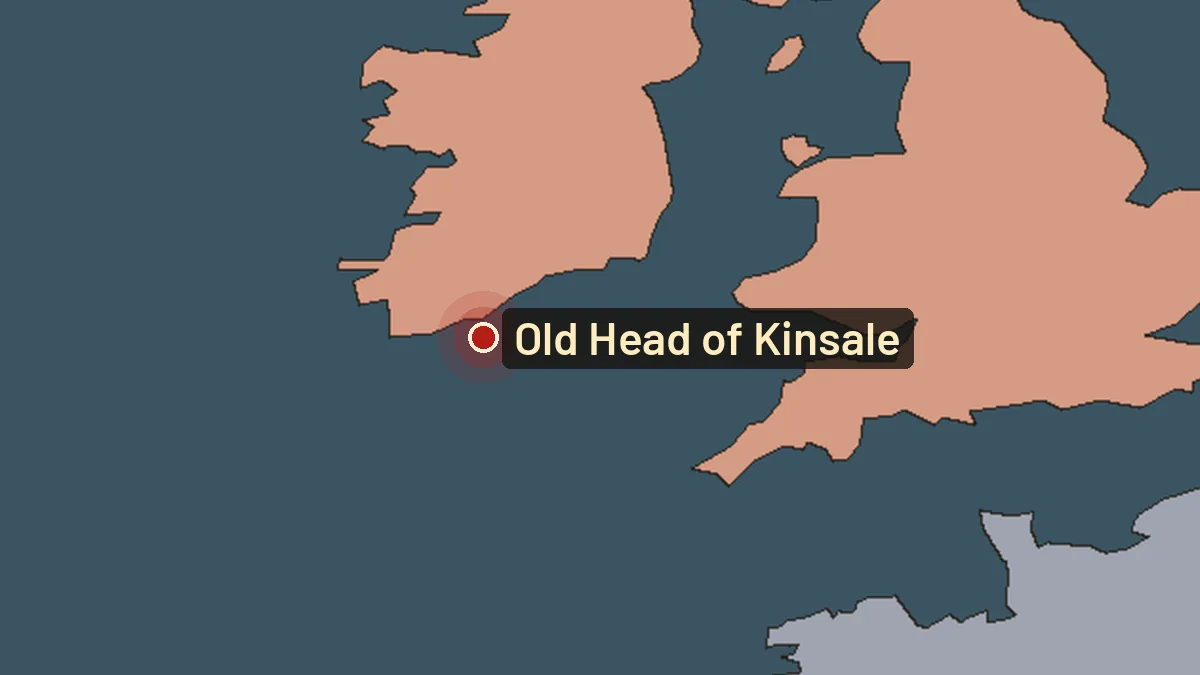
On a calm, clear afternoon in May 1915, one of the largest and fastest passenger liners in the world was in sight of the Irish coast, only a day from Liverpool. A single torpedo struck her side, a second explosion followed, and in about eighteen minutes the Lusitania was gone. Nearly 1,200 men, women and children died. The sinking did not bring the United States into the war, but it turned American opinion sharply against Germany and made the submarine one of the most hated weapons of the conflict.
The war at sea
From the first months of the war, the Royal Navy blockaded Germany, stopping ships and cutting off imports of food and raw materials. Germany's surface fleet could not break the blockade, so it turned to a newer weapon: the submarine, or U-boat. On 4 February 1915 Germany declared the waters around Britain and Ireland a war zone from 18 February. Enemy merchant ships found there could be sunk without warning, and neutral ships risked the same fate.
This broke with the traditional rules of naval warfare, under which a warship was expected to stop a merchant vessel, check its cargo and allow the crew and passengers to take to the boats before sinking it. A submarine on the surface was fragile and vulnerable, and German commanders argued that they could not follow those rules against ships that might be armed or try to ram them.
The last voyage
The Lusitania, owned by the Cunard Line, had entered service in 1907. With her four funnels and high speed she had won the Blue Riband for the fastest Atlantic crossing. When she left New York on 1 May 1915, she carried nearly 2,000 passengers and crew. On the same day, the German embassy in Washington placed a notice in American newspapers reminding travellers that a state of war existed and that ships under the British flag sailing into the war zone were liable to destruction. In some papers it appeared beside Cunard's own advertisement for the voyage.
To save coal, one of the ship's four boiler rooms had been closed, cutting her top speed. As she approached Ireland on 7 May, Captain William Turner slowed down in patches of fog and steered closer to the coast to fix his position. Warnings of submarine activity had been sent to ships in the area.
The submarine U-20, under Kapitänleutnant Walther Schwieger, had already sunk several vessels in those waters in the previous days. At around 2:10 p.m. Schwieger fired one torpedo at the liner from close range. It hit the starboard side below the bridge. Moments later a second, much larger explosion shook the ship from inside. The Lusitania listed heavily to starboard and went down by the bow in about eighteen minutes. The steep list made it very hard to launch the lifeboats, and many capsized or could not be lowered at all. Rescue boats from the port of Queenstown (now Cobh) and nearby fishing villages picked up the survivors and the dead.
Of the roughly 1,960 people on board, about 1,198 died, among them almost a hundred children. The 128 Americans killed included the millionaire Alfred Gwynne Vanderbilt and the theatre producer Charles Frohman.
Cargo and controversy
Germany argued that the Lusitania was a legitimate target: a British ship, built with government support for possible use as an auxiliary cruiser, and carrying war materials. Her cargo manifest did include millions of rifle cartridges and artillery shell fuses and casings, which Britain played down at the time. What caused the second explosion has been debated ever since. Explanations include a boiler or steam line rupture, a coal dust explosion and the munitions in the hold. Investigations of the wreck have not settled the question. Claims that Britain deliberately exposed the ship to draw America into the war have never been supported by firm evidence.
America's response
News of the sinking caused fury in the United States. Newspapers called it murder, and the image of drowned women and children became a powerful theme of Allied propaganda, captured in posters urging men to "Remember the Lusitania". President Woodrow Wilson, however, did not want war. Three days later he told an audience that a nation could be "too proud to fight". Instead he sent Germany a series of firm diplomatic notes demanding that it respect the rights of neutrals. His secretary of state, William Jennings Bryan, thought the notes too harsh, feared they would lead to war, and resigned in June.
Germany did not change course at once, but after more incidents, notably the sinking of the liner Arabic in August 1915 and the attack on the ferry Sussex in 1916, it promised to stop sinking passenger and merchant ships without warning. When Germany resumed unrestricted submarine warfare in February 1917, gambling that it could starve Britain before America made a difference, the United States declared war in April. The Lusitania was not the immediate cause, but it had prepared American opinion for that decision.
Did you know?
- In 1915 a German artist, Karl Goetz, made a satirical medal about the sinking. British propagandists copied it in large numbers and sold it as proof of German callousness.
- Walther Schwieger did not survive the war. He was killed in September 1917 when his later submarine, U-88, was lost in the North Sea, probably to a mine.
The Lusitania in World Wars: 1914–20XX
In the Historical (1914) scenario the sinking arrives on 7 May 1915. Tension between the United States and Germany rises, American support for war grows, and so does British war support. The United States is not on the 1914 map, but events like this one push it step by step towards joining the war. The Submarine (U-boat) entry unlocks in the in-game encyclopedia.
If you play Germany, the U-boat is your weapon against the blockade, but every liner that goes down brings America closer to the fight. In the Parallel Fronts scenario aircraft and radio make the hunt at sea faster on both sides. Can you starve Britain without waking the giant across the Atlantic?
▶ Play now Free in your browser, no download needed.
Further reading: Wikipedia (English)