World Wars: 1914–20XX
First World War (1914–1918)
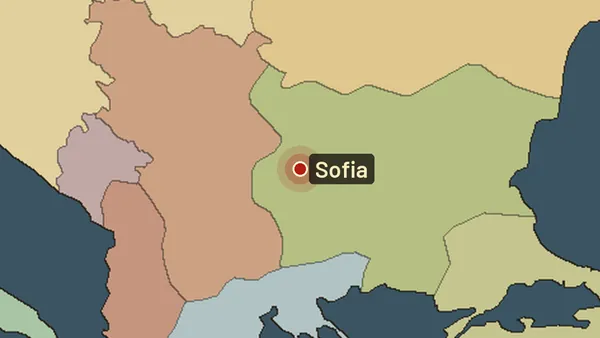
Bulgaria in World War I (1915–1918): Macedonia, Salonika and defeat
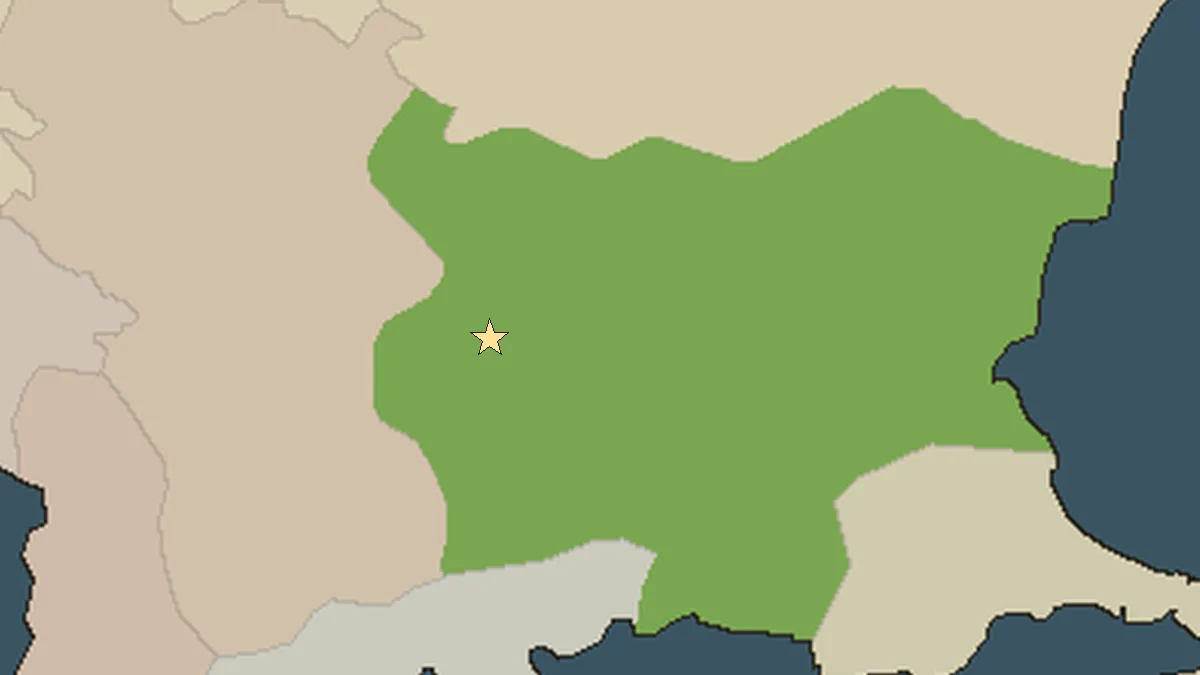
Bulgaria entered the First World War late, for one main reason: Macedonia. In 1913 it had lost most of the land it hoped to gain in the Balkan Wars, and in 1915 the Central Powers offered to give it back. For three years Bulgarian soldiers fought with great tenacity, helping to conquer Serbia and Romania and holding a long mountain front against the Allies at Salonika. Then, in September 1918, their front broke, and Bulgaria became the first of the Central Powers to leave the war, setting off the collapse of its allies.
The wound of 1913
Bulgaria had won its independence from the Ottoman Empire in stages: autonomy in 1878 and full independence, under Prince Ferdinand who took the title of tsar, in 1908. In the First Balkan War of 1912 its army fought its way to the outskirts of Constantinople, and Bulgaria expected to receive most of Macedonia. But the victors fell out over the spoils. In the Second Balkan War of 1913 Bulgaria attacked its former allies Serbia and Greece, and was then invaded by Romania and the Ottoman Empire as well. It lost most of Macedonia, southern Dobruja to Romania and Edirne to the Ottomans. Bulgarians called it the "national catastrophe".
Choosing a side
When war broke out in 1914 Bulgaria declared neutrality, and both alliances began to bid for its support. The Entente had a problem: the land Bulgaria most wanted was held by Serbia, an Entente member that refused to give it up. The Central Powers had no such difficulty, and they could promise all of Serbian Macedonia. The defeats of the Russians in Galicia in 1915 and the Allied failure at Gallipoli also suggested that Germany was winning.
On 6 September 1915 Bulgaria signed an alliance with Germany and Austria-Hungary. At the same time the Ottoman Empire handed over a strip of land along the Maritsa (Meriç) river to give the Bulgarian railway a route to the Aegean coast at Dedeağaç. Tsar Ferdinand and Prime Minister Vasil Radoslavov pushed the decision through against strong opposition; the leader of the Agrarian Union, Aleksandar Stamboliyski, was imprisoned for opposing it.
Serbia, Salonika and Romania
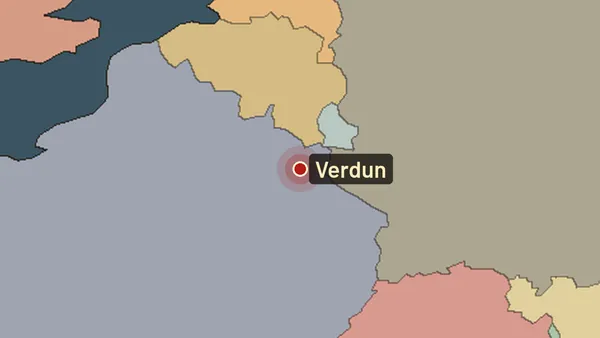
In early October 1915 German and Austro-Hungarian armies under Field Marshal August von Mackensen invaded Serbia from the north, and on 14 October Bulgaria declared war and attacked from the east. Caught between them, the Serbian army retreated in winter across the mountains of Montenegro and Albania to the Adriatic. Tens of thousands of soldiers and civilians died on the march. The conquest of Serbia also opened a direct railway from Berlin to Constantinople, allowing German supplies to reach the Ottoman Empire.
British and French troops landed at Salonika in neutral Greece in October 1915, too late to save Serbia. Bulgarian forces pushed them back into Greece, and a front formed along the Macedonian mountains from Lake Ohrid to the Struma river. There Bulgarian troops, with German help, held strong positions for almost three years, beating off British attacks at Doiran in 1917 and 1918.
When Romania joined the Allies in August 1916, Bulgarian, German and Ottoman forces under Mackensen struck from the south. The Bulgarians stormed the Romanian fortress of Tutrakan on the Danube in September, and the campaign ended with the fall of Bucharest in December 1916.
Exhaustion and collapse
Victory did not bring comfort. Bulgaria had mobilised a very large share of its men, perhaps 800,000 over the war from a population of under five million. By 1917–18 there were serious food shortages at home and in the army, inflation and growing anger at Germany, which took Bulgarian grain while Bulgarian soldiers went hungry. Quarrels with Germany and the Ottomans over the division of Romanian Dobruja further soured the alliance. Radoslavov resigned in June 1918.
On 15 September 1918 Serbian and French troops of the Allied army at Salonika, commanded by General Louis Franchet d'Espèrey, broke through at Dobro Pole. Worn-out Bulgarian units began to dissolve, and mutinous soldiers marched towards Sofia. On 29 September Bulgaria signed an armistice at Salonika. Tsar Ferdinand abdicated on 3 October in favour of his son, Boris III. With Bulgaria gone, the land route between Germany and the Ottoman Empire was cut, and within six weeks every Central Power had stopped fighting.
The Treaty of Neuilly in November 1919 took away Bulgaria's Aegean coastline (Western Thrace) and several border districts, imposed reparations and limited its army. The hunger for Macedonia remained, and it would pull Bulgaria into the next world war on Germany's side as well.
Did you know?
- Tsar Ferdinand was a keen naturalist and amateur botanist, with a passion for butterflies and rare plants.
- The armistice of 29 September 1918 was signed at Salonika, the very city the Allied army had landed in three years before.
- Bulgaria's mobilisation was among the largest of the war in proportion to its population.
Bulgaria in World Wars: 1914–20XX
Bulgaria is one of the 26 states on the game's 1914 map, so you can lead it from 28 June 1914. In the Historical (1914) scenario it joins the Central Powers on 14 October 1915: it declares war on Serbia, and the rail link from Germany to the Ottoman Empire opens. Its entry unlocks in the in-game encyclopedia that day. In September 1918 the breakthrough at Dobro Pole shatters Bulgarian morale, and then Bulgaria must decide: sign the armistice at Salonika as history did, or fight on at the cost of internal stability.
Playing Bulgaria yourself, you face its old dilemma: how to win back Macedonia without exhausting a small country. In the Parallel Fronts scenario the Balkan mountains are crossed by armoured divisions and air wings. Can you win back Macedonia and keep it?
▶ Play now Free in your browser, no download needed.
Further reading: Wikipedia (English)