World Wars: 1914–20XX
First World War (1914–1918)
Battle of Kolubara (1914): Serbia drives out the invasion
In this article
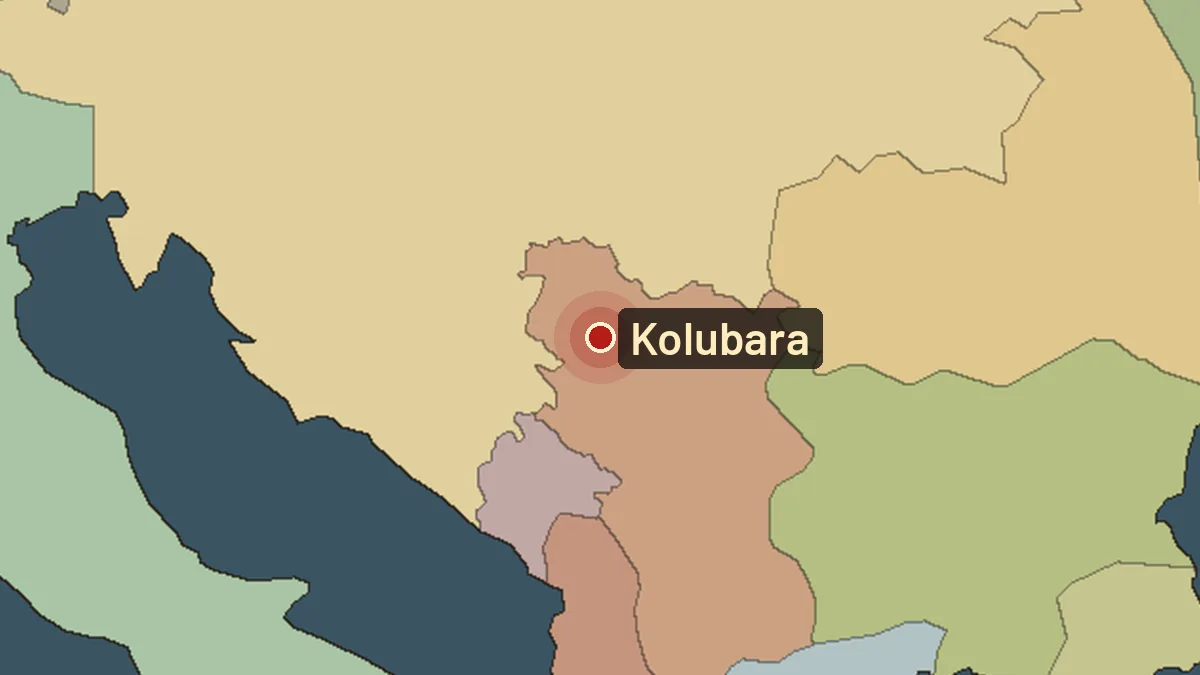
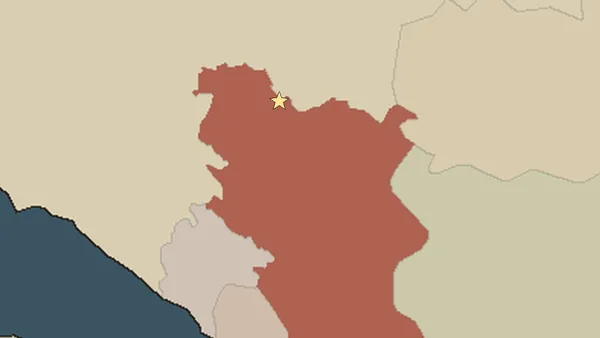
The Battle of Kolubara was the largest battle of the 1914 campaign in Serbia. After two earlier Austro-Hungarian invasions had been stopped, a third offensive in November 1914 took Valjevo and Belgrade and seemed close to success. The Serbian army then counter-attacked in early December, broke the invading forces and drove them back across the border. By the end of the year Austria-Hungary, which had gone to war in order to defeat Serbia, had failed to do so.
The first invasions
Austria-Hungary declared war on Serbia on 28 July 1914 and invaded in August under Oskar Potiorek, governor of Bosnia-Herzegovina. At the Battle of Cer, from 15 to 24 August, the Serbian army under Radomir Putnik defeated the invaders and pushed them back over the Drina, the first Allied victory of the war. A second offensive across the Drina in September and October led to costly fighting in the mountains without a decision.
Potiorek's November offensive
In November Potiorek attacked again. The Serbian army was short of artillery ammunition, clothing and food, and Putnik decided to withdraw to shorten his lines. Austro-Hungarian troops took Valjevo and, on 2 December, entered Belgrade. Potiorek believed the Serbian army was beaten and extended his forces deep into the mountains in poor weather, with supply lines becoming difficult.
The counter-attack
Putnik had placed Živojin Mišić in command of the Serbian First Army in mid-November. Mišić withdrew his army to rest and reorganise, and new artillery shells arrived from France by way of Salonika. On 3 December the First Army attacked from the Suvobor heights against the centre of the Austro-Hungarian line, while the Second and Third Armies attacked on either side. Within days the invaders were retreating. The Serbian army retook Valjevo and, on 15 December, Belgrade. Potiorek was relieved of his command shortly afterwards.
After the victory
Serbia had won, but at great cost. The army had lost a large part of its soldiers and the country was soon struck by a typhus epidemic that killed many soldiers, civilians and prisoners of war in the winter and spring of 1915. Serbia was left in peace for most of 1915, until the joint German, Austro-Hungarian and Bulgarian offensive in October 1915 occupied the country.
Did you know?
- After Kolubara, Živojin Mišić was promoted to vojvoda, the highest rank in the Serbian army, equivalent to field marshal.
- Some 1,300 students of the Serbian officer school were sent to the front as corporals during the battle. Many were killed, and the "1,300 corporals" became a well-known episode in Serbian memory.
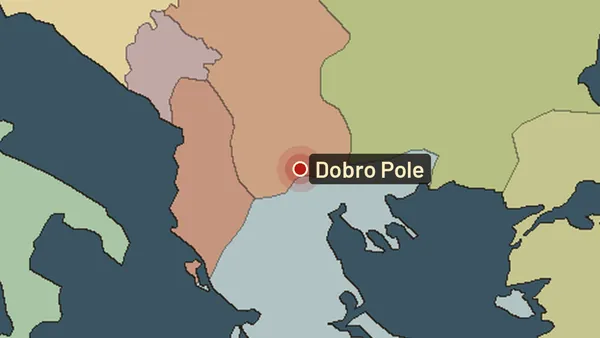
- Belgrade lies at the confluence of the Sava and the Danube, on the border with Austria-Hungary, and was shelled from across the river from the first days of the war.
Kolubara in World Wars: 1914–20XX
In the game's Historical (1914) scenario Serbia is the first target of Austria-Hungary. If you lead Austria-Hungary, you decide how many divisions to commit against Serbia while Russia threatens Galicia; if you lead Serbia, you defend a small country against a much larger neighbour, as Putnik and Mišić did. In the Parallel Fronts scenario, motor transport and radio change how quickly both sides can move and supply their armies in the mountains.
▶ Play now Free in your browser, no download needed.
Sources and further reading
Figures and dates in this article follow these works; where historians disagree, the range of estimates is given.
- James Lyon, Serbia and the Balkan Front, 1914: The Outbreak of the Great War (2015)
- Holger H. Herwig, The First World War: Germany and Austria-Hungary 1914–1918 (1997)
- Hew Strachan, The First World War (2003)
- Wikipedia (English)
 Serbia in WWI