 World Wars: 1914–20XX
The fronts of the World Wars
A world war was fought on many fronts at once, each with its own geography, armies and turning points. Start with a front to see how its battles connect.
First World War (1914–1918)
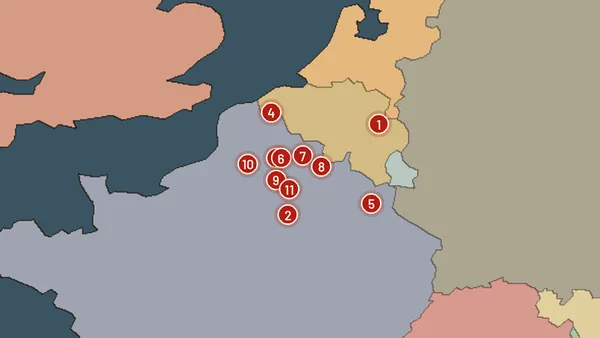 Western Front, 1914–1918How the war of movement in 1914 became 700 km of trenches from the North Sea to Switzerland, why attacks failed for three years, and how the deadlock finally broke in 1918.
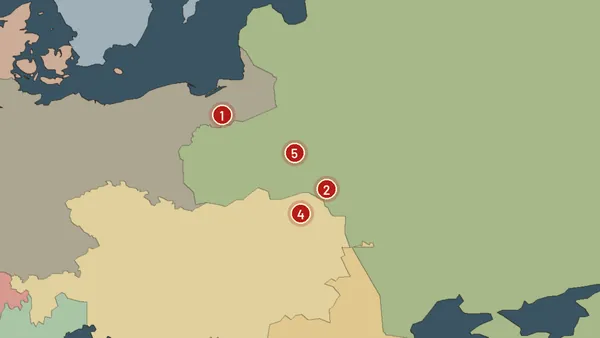 Eastern Front, 1914–1918The vast front from the Baltic to the Carpathians: Tannenberg, Galicia, the Great Retreat of 1915, the Brusilov Offensive and Russia's exit from the war in 1918.
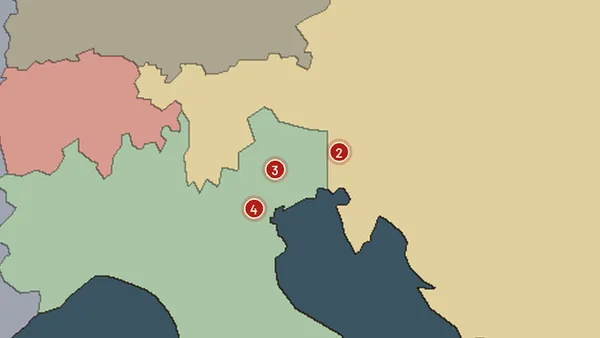 Italian Front, 1915–1918Italy's war against Austria-Hungary in the Alps and on the Isonzo: eleven offensives, the breakthrough at Caporetto, the defence of the Piave and the final battle of Vittorio Veneto.
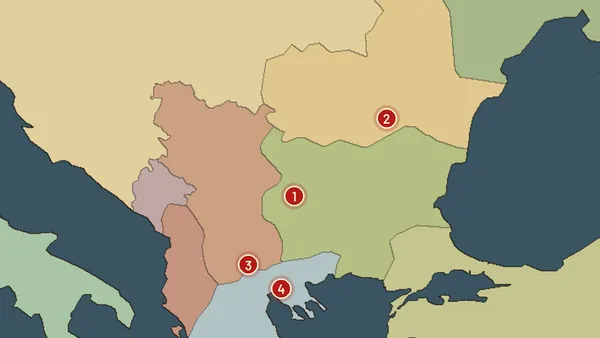 Balkan and Salonika frontsWhere the war began and where the Central Powers' collapse started: Serbia's victories of 1914, its defeat in 1915, the Salonika front, Romania's campaign of 1916 and the breakthrough at Dobro Pole.
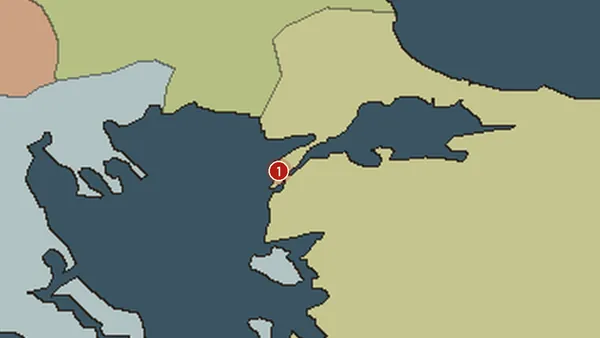 Dardanelles and GallipoliWhy the Allies tried to force the Dardanelles, how the naval attack of 18 March 1915 and the landings that followed failed, and what the campaign meant for Turkey, Australia and New Zealand.
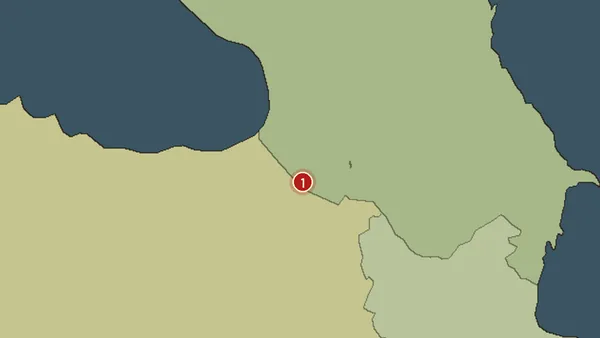 Caucasus Front, 1914–1918The Ottoman–Russian war in the Caucasus: the winter disaster at Sarıkamış, the Russian advance to Erzurum and Trabzon in 1916, the collapse of the Russian army and the Ottoman advance to Baku in 1918.
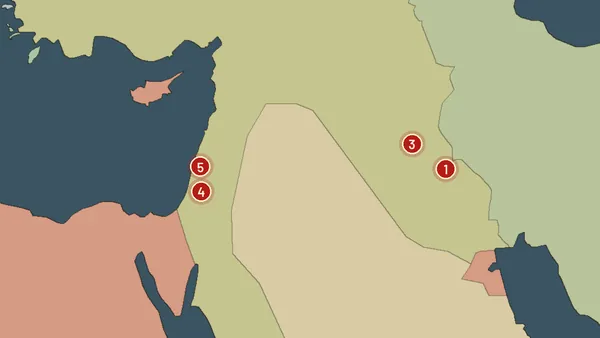 Middle East fronts, 1914–1918The British and Ottoman campaigns in Iraq, Sinai and Palestine: Basra, the siege of Kut, the fall of Baghdad, the Gaza battles, Jerusalem, the Arab Revolt and the final battle at Megiddo.
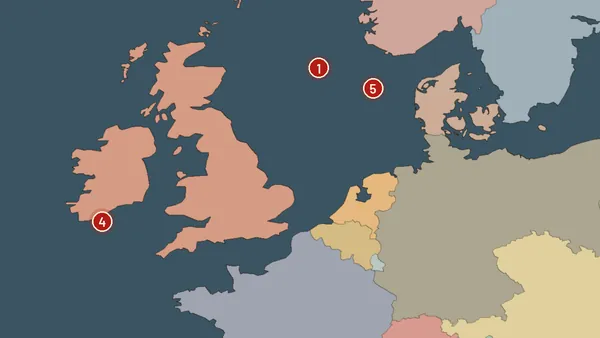 War at sea, 1914–1918How the naval war shaped the First World War: the British blockade of Germany, the Battle of Jutland, the U-boat campaigns, the sinking of the Lusitania and the convoy system.
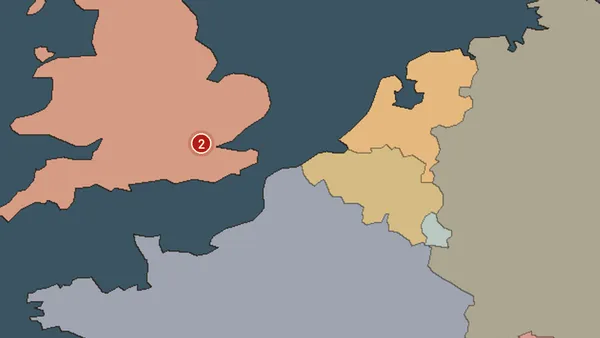 War in the air, 1914–1918How aircraft went from fragile scouts in 1914 to fighters, bombers and the first independent air force in 1918, and what Zeppelin and Gotha raids meant for civilians.
Second World War (1939–1945)
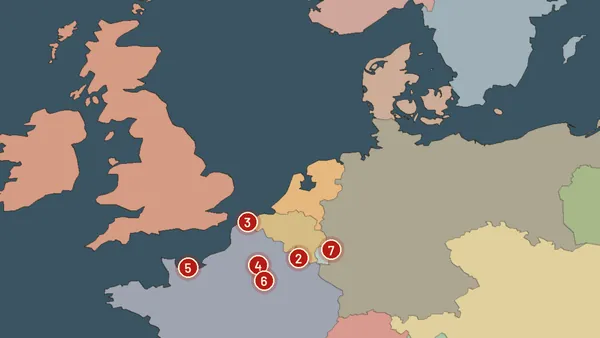 Western Europe, 1939–1945The Second World War in Western Europe: the "Phoney War", Norway, the German victory over France in 1940, Dunkirk, the Normandy landings, the liberation of Paris, the Ardennes and the advance into Germany.
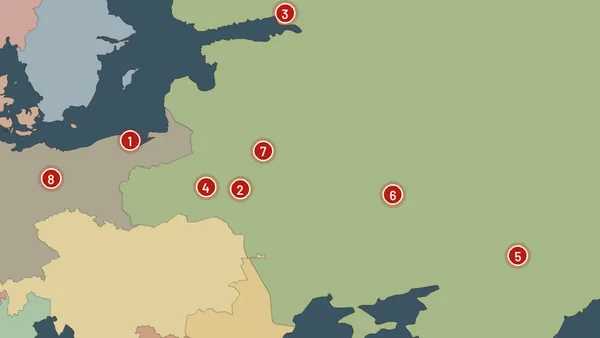 Eastern Front, 1939–1945The war between Germany and the Soviet Union and its prelude: Poland 1939, the Winter War, Operation Barbarossa, Moscow, Stalingrad, Kursk, Operation Bagration and the Battle of Berlin.
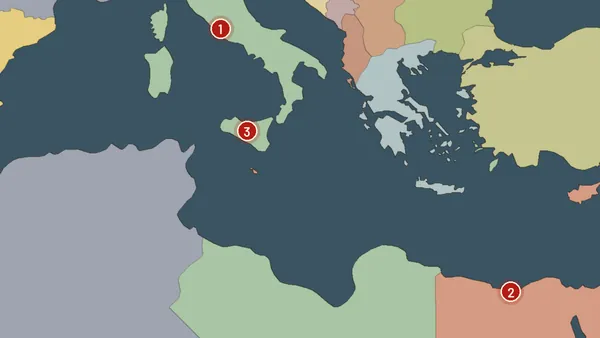 Mediterranean and North AfricaThe Second World War around the Mediterranean: the desert war in Libya and Egypt, Rommel and El Alamein, the Torch landings, Tunisia, Sicily, the Italian armistice and the long campaign in Italy.Pacific and Asia, 1937–1945The war in Asia and the Pacific: Japan's war in China, Pearl Harbor and the conquests of 1941–1942, Midway and Guadalcanal, the island campaigns, the atomic bombs and Japan's surrender.
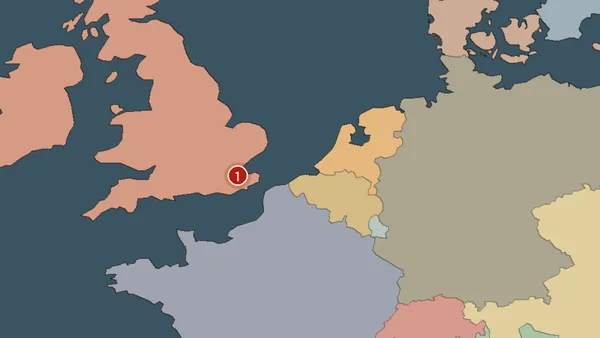 Air war, 1939–1945How air power shaped the Second World War: the Battle of Britain, the Blitz, the Allied bombing of Germany, air superiority over Normandy and the bombing of Japan.Battle of the AtlanticThe longest continuous campaign of the Second World War: the German U-boat war against Allied shipping, the convoy system, code breaking, and the turn in May 1943.