 World Wars: 1914–20XX
First World War (1914–1918)
The Dardanelles and Gallipoli (1915–1916): the battle for the Straits
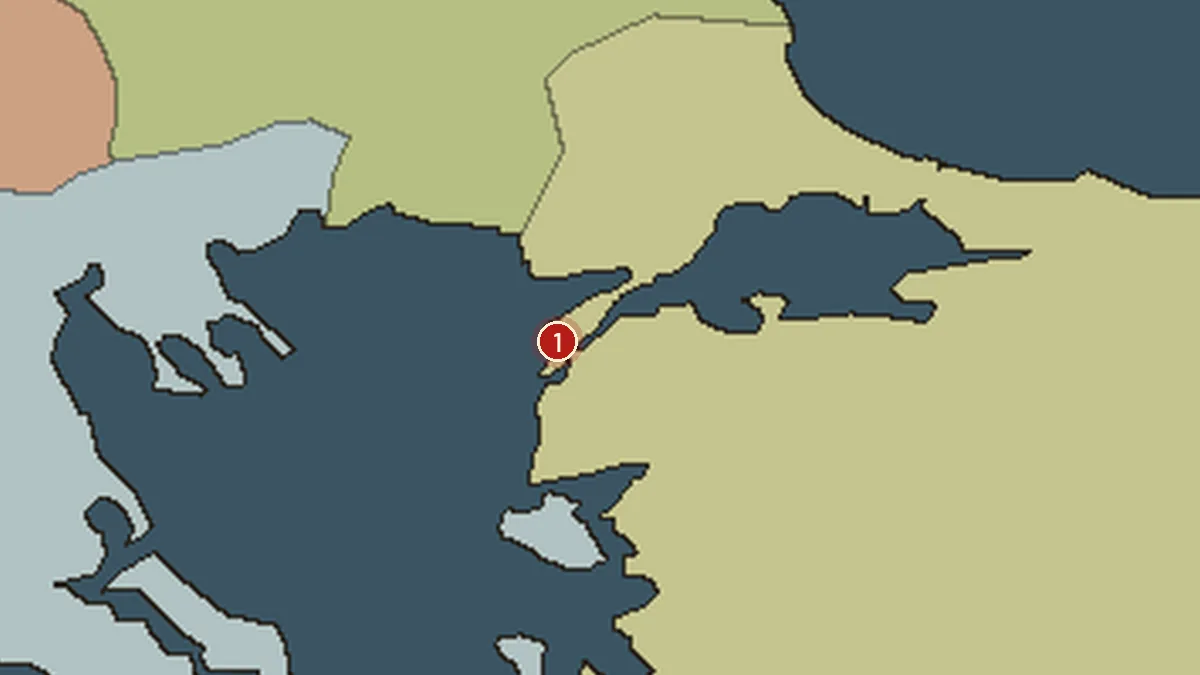
In this article
The Dardanelles campaign was an attempt by Britain and France to break the deadlock of the war by opening the Straits, taking Constantinople and opening a sea route to Russia. It ended after eleven months with the evacuation of the Allied forces. It is remembered as a defining moment in the history of modern Turkey, and of Australia and New Zealand.
The naval attack
From February 1915 British and French warships bombarded the Ottoman forts at the entrance to the Dardanelles. On 18 March a large fleet tried to force the narrows. Ottoman mines, laid in Erenköy Bay a few days earlier by the minelayer Nusret, sank three battleships and damaged others. The Allied admirals called off the attack and decided that the army would have to take the peninsula first.
The landings and the stalemate
On 25 April 1915 British and French troops landed at Cape Helles and other points at the tip of the peninsula, and the Australian and New Zealand Army Corps (ANZAC) landed further north at Arıburnu, later called Anzac Cove. The Ottoman Fifth Army under Otto Liman von Sanders, with commanders such as Mustafa Kemal, stopped the advance on the heights. The fighting turned into trench warfare in a narrow area, in summer heat, with disease spreading on both sides. A new landing at Suvla Bay in August, together with attacks on Sarı Bair, also failed after the Ottoman defenders, led by Mustafa Kemal at Anafartalar, held the ridges.
Evacuation and results
In late 1915 the British government decided to withdraw. The evacuation of Anzac and Suvla in December 1915 and Helles in January 1916 was carried out without major losses. Estimates of total casualties, killed, wounded and sick, run to several hundred thousand on each side, with more than 100,000 dead in all. The Straits remained closed until the armistice of Mudros in 1918. In Britain the failure damaged the reputation of Winston Churchill, the First Lord of the Admiralty, who had championed the operation.
Memory
In Turkey, 18 March is commemorated as Çanakkale Victory and Martyrs' Day, and the campaign brought Mustafa Kemal to national prominence. In Australia and New Zealand, 25 April is Anzac Day, one of the most important national days of remembrance.
Did you know?
- The Nusret laid only 26 mines on the night of 7–8 March 1915, but they were placed in an area the Allied fleet used for manoeuvring.
- At the evacuation, Allied soldiers rigged rifles to fire on their own with dripping water so the trenches would seem occupied.
Key events on this front
Play this moment
Free in your browser, no download needed.
Sources and further reading
Figures and dates in this article follow these works; where historians disagree, the range of estimates is given.
- Peter Hart, Gallipoli (2011)
- Edward J. Erickson, Ordered to Die: A History of the Ottoman Army in the First World War (2001)
- Wikipedia (English)
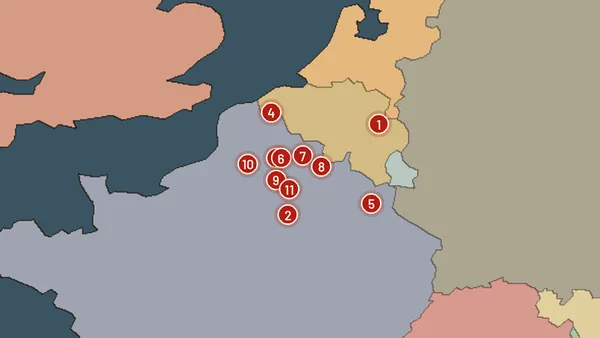 Western Front, 1914–1918
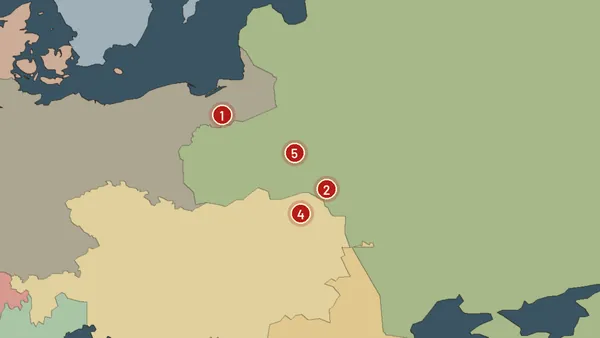 Eastern Front, 1914–1918
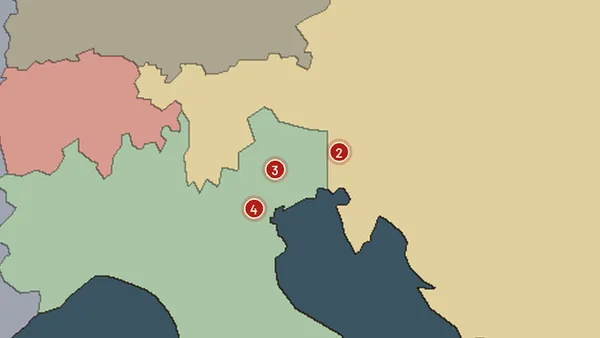 Italian Front, 1915–1918
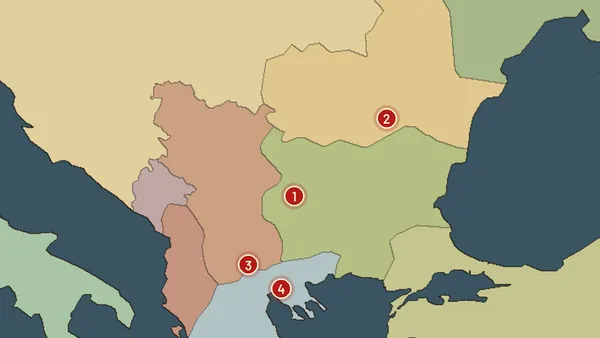 Balkan and Salonika fronts
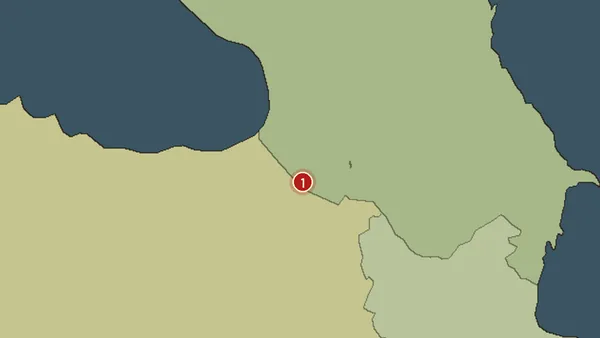 Caucasus Front, 1914–1918
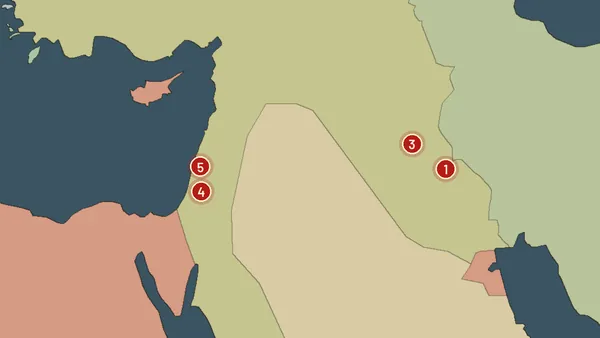 Middle East fronts, 1914–1918
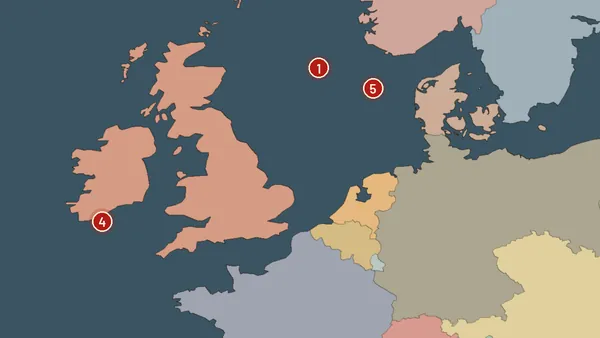 War at sea, 1914–1918
 War in the air, 1914–1918