 World Wars: 1914–20XX
First World War (1914–1918)
The Eastern Front (1914–1918): Russia against Germany and Austria-Hungary
In this article
The Eastern Front was longer than the Western Front and far more mobile. Armies advanced and retreated hundreds of kilometres, millions of soldiers were captured, and the war here ended not with an armistice between exhausted armies but with the collapse of the Russian Empire.
1914: Tannenberg and Galicia
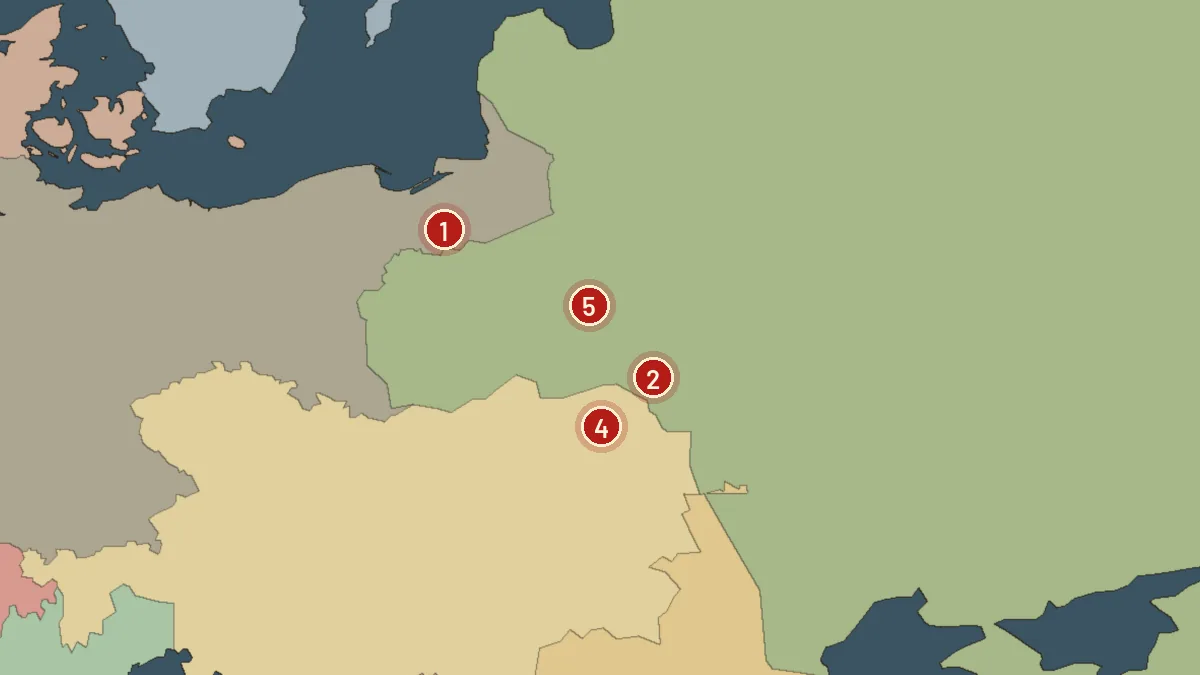
Russia mobilised faster than Germany had expected and invaded East Prussia in August 1914. At Tannenberg, at the end of August, the German Eighth Army under Paul von Hindenburg and Erich Ludendorff encircled and destroyed the Russian Second Army; a few weeks later it drove the Russian First Army out at the Masurian Lakes. Further south the picture was the reverse. In Galicia the Russian armies defeated Austria-Hungary, took Lemberg (Lviv) and besieged the fortress of Przemyśl, which surrendered in March 1915.
1915: the Great Retreat
To support its ally, Germany sent troops south. The Gorlice-Tarnów offensive of May 1915, prepared with heavy artillery, broke the Russian line. Over the summer Russia lost Galicia, Russian Poland, Lithuania and part of Latvia. The Russian army survived, but its losses in men and equipment were very large, and Tsar Nicholas II took personal command in September 1915, which tied the monarchy's reputation directly to the war.
1916–1917: Brusilov and revolution
In June 1916 General Aleksei Brusilov attacked along a wide front without long preliminary bombardments, giving the enemy no clear target for reserves. The Austro-Hungarian armies lost hundreds of thousands of men, many as prisoners, and Germany had to send help again. The offensive also encouraged Romania to enter the war. But Russia's own losses were heavy, and shortages of food and fuel at home grew. In March 1917 the February Revolution ended the monarchy. The Provisional Government's Kerensky Offensive in July 1917 failed, the army began to disintegrate, and after the Bolsheviks took power in November they sought peace.
Brest-Litovsk
The Treaty of Brest-Litovsk, signed on 3 March 1918, took Poland, the Baltic provinces, Finland and Ukraine out of Russian control. Germany gained food and could move troops west for its Spring Offensive, but still kept large forces in the east to occupy these territories. After Germany's defeat in November 1918, the treaty was annulled.
Did you know?
- More soldiers were taken prisoner on the Eastern Front than anywhere else in the war; estimates for Russian soldiers captured alone run to several million.
- The name "Tannenberg" was chosen for propaganda reasons: it recalled a battle of 1410 in the same area.
Key events on this front
- Battle of TannenbergIn August 1914 the German Eighth Army encircled and destroyed the Russian Second Army in East Prussia. How Tannenberg was won and why it made Hindenburg a legend.
- Brusilov OffensiveIn June 1916 General Brusilov broke the Austro-Hungarian front in Galicia and Volhynia. How his new method worked, what it cost and why it nearly broke Austria-Hungary.
- Russian Revolutions of 1917In 1917 war-weary Russia went through two revolutions. How bread riots toppled Nicholas II, why the new government kept fighting, and how Lenin's Bolsheviks took power.
- Kerensky OffensiveIn July 1917 revolutionary Russia launched a final offensive in Galicia. Why Kerensky gambled, how early success turned into collapse, and how it helped the Bolsheviks.
- Treaty of Brest-LitovskOn 3 March 1918 Soviet Russia made a separate peace at Brest-Litovsk, giving up Poland, the Baltic and Ukraine, and Kars, Ardahan and Batum to the Ottomans.
Play this moment
Free in your browser, no download needed.
Sources and further reading
Figures and dates in this article follow these works; where historians disagree, the range of estimates is given.
- Norman Stone, The Eastern Front 1914–1917 (1975)
- Dennis E. Showalter, Tannenberg: Clash of Empires (1991)
- Holger H. Herwig, The First World War: Germany and Austria-Hungary 1914–1918 (1997)
- Wikipedia (English)
 Western Front, 1914–1918
 Italian Front, 1915–1918
 Balkan and Salonika fronts
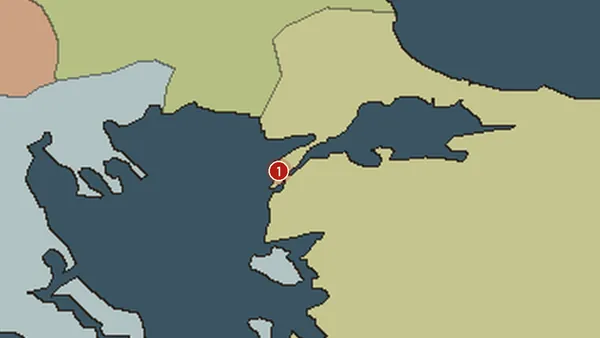 Dardanelles and Gallipoli
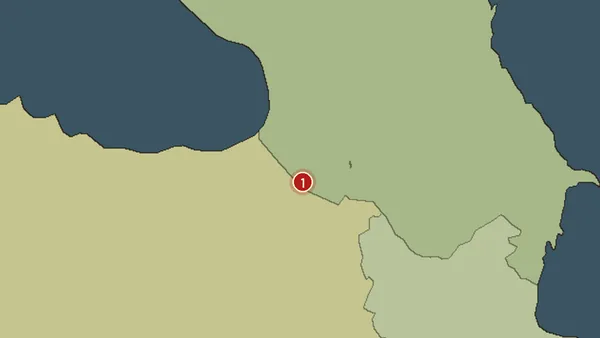 Caucasus Front, 1914–1918
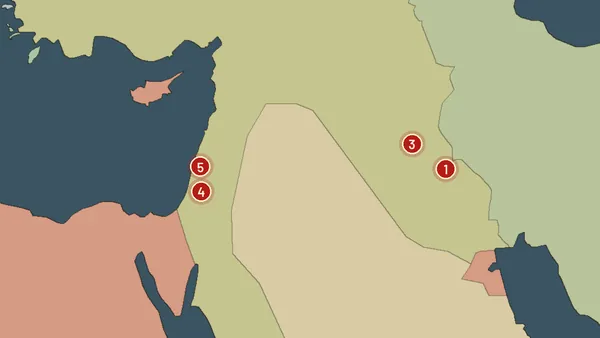 Middle East fronts, 1914–1918
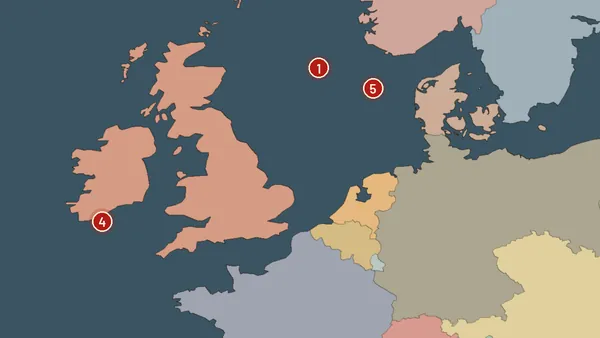 War at sea, 1914–1918
 War in the air, 1914–1918