 World Wars: 1914–20XX
First World War (1914–1918)
The Italian Front (1915–1918): from the Isonzo to Vittorio Veneto
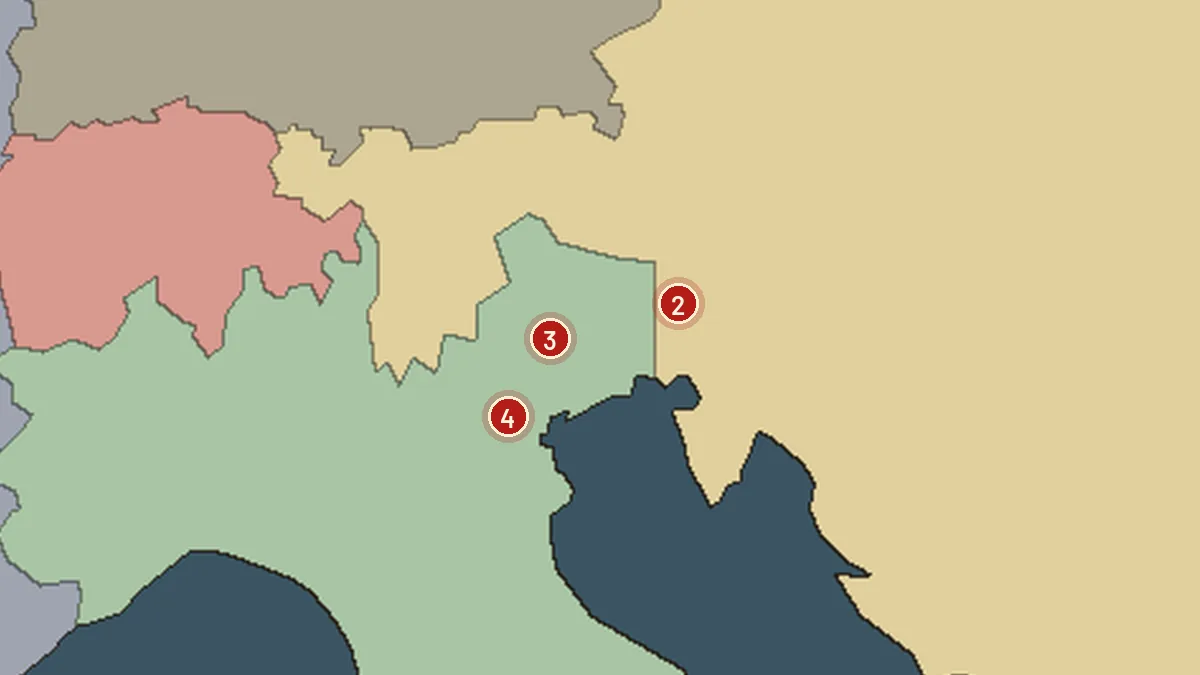
Italy entered the war in May 1915 on the side of the Entente, after the secret Treaty of London promised it Trentino, South Tyrol, Trieste and parts of the Adriatic coast. The front it opened against Austria-Hungary ran for about 600 kilometres, much of it through high mountains, where weather, avalanches and supply were as dangerous as the enemy.
The Isonzo battles
The Italian Chief of Staff, Luigi Cadorna, concentrated his attacks on the Isonzo river in the east, the most direct route towards Trieste and Ljubljana. Between June 1915 and September 1917 the Italian army fought eleven battles there. The Austro-Hungarian defenders held strong positions on the heights of the Carso plateau. Italian forces took Gorizia in August 1916 and advanced on the Bainsizza plateau in 1917, but at very high cost and without a breakthrough. In May 1916 Austria-Hungary launched its own offensive from Trentino, the Strafexpedition, which was stopped on the Asiago plateau.
Caporetto
In October 1917, reinforced by German divisions, Austria-Hungary attacked at Caporetto (Kobarid). Using gas, short bombardments and infiltration tactics, the attackers broke through and the Italian Second Army collapsed. The Italian army retreated more than 100 kilometres to the Piave river, losing between about 260,000 and 300,000 men as prisoners. Cadorna was replaced by Armando Diaz, and British and French divisions were sent to Italy.
The Piave and Vittorio Veneto
The new line on the Piave held. In June 1918 an Austro-Hungarian offensive across the river failed. At the end of October 1918, with the Habsburg monarchy breaking apart, the Italian army and its allies attacked at Vittorio Veneto. The Austro-Hungarian army disintegrated as units from different nationalities went home. The armistice of Villa Giusti was signed on 3 November and came into force on 4 November 1918.
Results
Italy gained Trentino, South Tyrol and Trieste, but not all the territory it had expected, and the sense of a "mutilated victory" fed nationalist politics after the war. For Austria-Hungary, the Italian Front had absorbed a large share of its army from 1915 to the end.
Did you know?
- Soldiers on both sides dug tunnels through glaciers and blew up entire mountain summits with mines, as on the Col di Lana in 1916.
- A young German officer, Erwin Rommel, won Germany's highest military award at Caporetto for capturing Monte Matajur.
Key events on this front
- Italy enters World War IIn 1914 Italy stayed neutral despite its alliance with Germany and Austria-Hungary. How the secret Treaty of London and the "Radiant May" of 1915 brought it into the war on the Allied side.
- Battle of CaporettoOn 24 October 1917 German and Austro-Hungarian troops broke the Italian front at Caporetto. How gas and infiltration broke the Isonzo line, and how Italy held the Piave.
- Battle of Vittorio VenetoIn October 1918, as Austria-Hungary fell apart, Italy attacked across the Piave and on Monte Grappa. How Vittorio Veneto avenged Caporetto and ended the war in Italy.
- Armistice of Villa GiustiOn 3 November 1918 Austria-Hungary signed an armistice with Italy at Villa Giusti near Padua. Its terms, the confusion over the ceasefire and the empire's collapse.
Play this moment
Free in your browser, no download needed.
Sources and further reading
Figures and dates in this article follow these works; where historians disagree, the range of estimates is given.
- Mark Thompson, The White War: Life and Death on the Italian Front 1915–1919 (2008)
- Holger H. Herwig, The First World War: Germany and Austria-Hungary 1914–1918 (1997)
- Wikipedia (English)
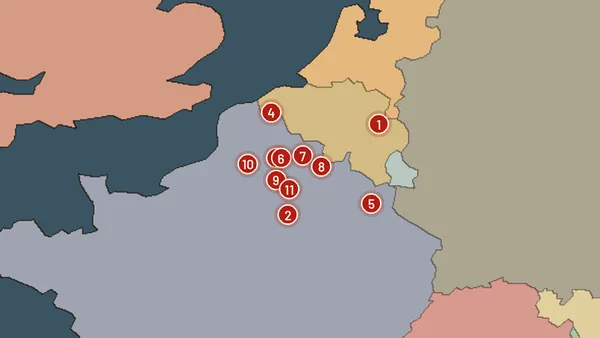 Western Front, 1914–1918
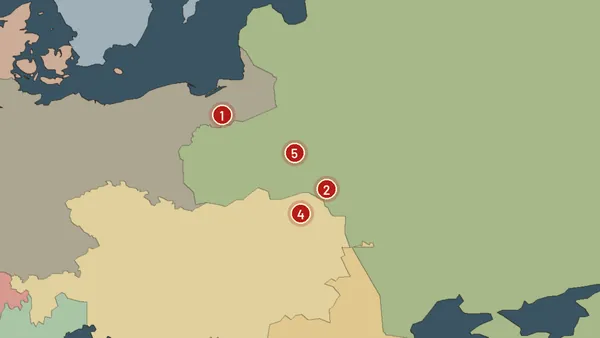 Eastern Front, 1914–1918
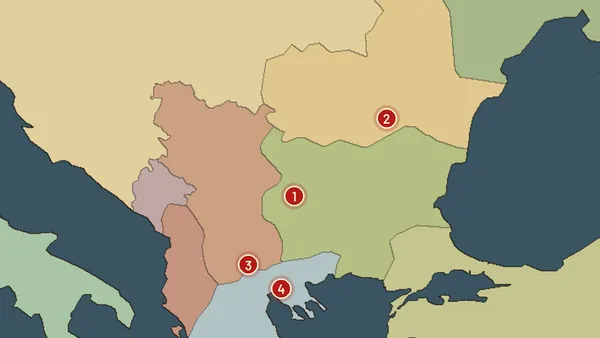 Balkan and Salonika fronts
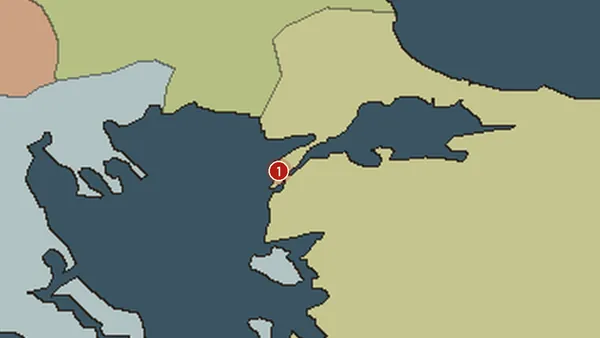 Dardanelles and Gallipoli
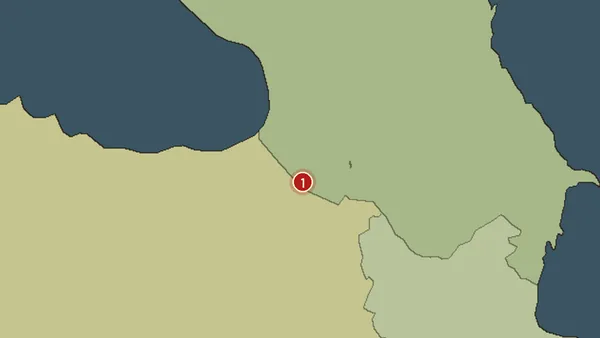 Caucasus Front, 1914–1918
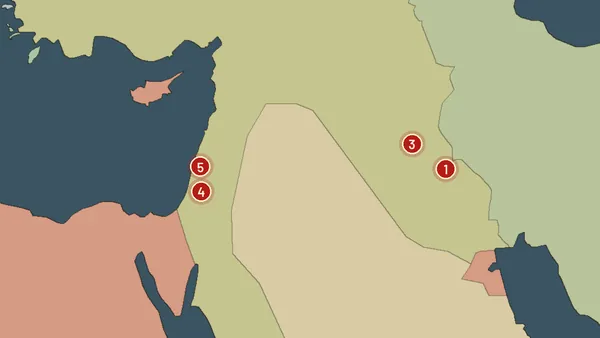 Middle East fronts, 1914–1918
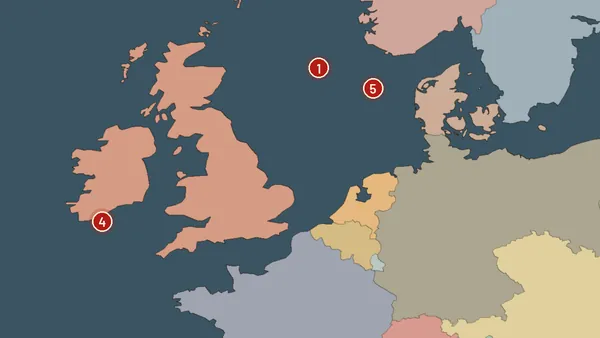 War at sea, 1914–1918
 War in the air, 1914–1918