 World Wars: 1914–20XX
First World War (1914–1918)
The war in the air (1914–1918): from reconnaissance to air forces
In this article
When the war began, aircraft were few, slow and unarmed. Within four years they had become an essential part of warfare. Air forces grew from hundreds to many thousands of aircraft, and the roles that would define military aviation for the rest of the century all appeared.
Eyes of the army
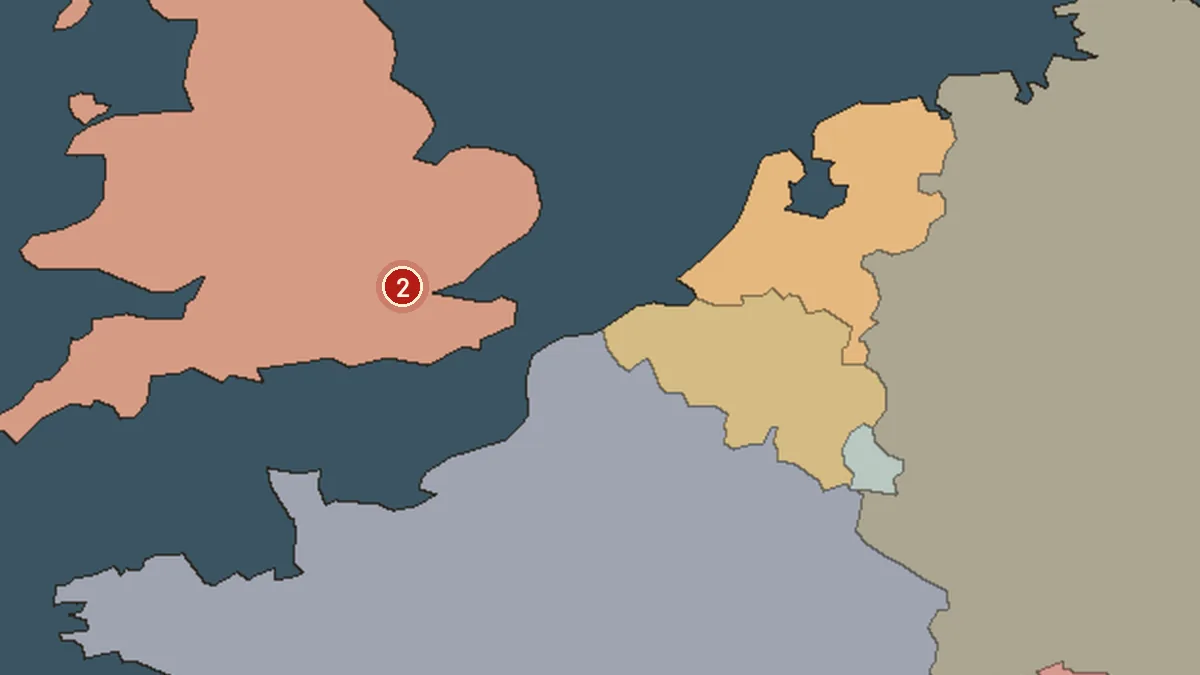
The first job of aircraft was reconnaissance. In 1914 French and British airmen helped spot the German army's turn before Paris, ahead of the First Battle of the Marne. Soon aircraft were photographing trenches every day and directing artillery fire by wireless. Because whoever controlled the air could see the enemy, both sides began to fight for that control.
Fighters and aces
In 1915 the German Fokker monoplane, with a machine gun synchronised to fire through the propeller, gave Germany a period of superiority known among Allied pilots as the "Fokker Scourge". New Allied designs answered, and the advantage passed back and forth with each generation of aircraft. Pilots who shot down five or more enemy aircraft were called aces and became famous in newspapers, among them Manfred von Richthofen, René Fonck and Billy Bishop.
Bombing
From January 1915 German Zeppelin airships bombed Britain, and from 1917 Gotha bombers attacked London by day and night. These raids caused about 1,400 deaths in Britain. Allied aircraft bombed targets in Germany too. The physical damage was limited, but the raids forced both sides to keep fighters and guns at home and introduced the idea that cities could be attacked from the air.
1918
By the final year aircraft were used in large numbers for ground attack and close support in the Spring Offensive and the Hundred Days. On 1 April 1918 Britain merged its army and naval air services into the Royal Air Force, the first air force independent of an army or navy.
Did you know?
- At the start of the war, pilots of opposing sides sometimes simply waved at each other; the first armed encounters involved pistols and rifles.
- In "Bloody April" 1917, during the Battle of Arras, the British Royal Flying Corps lost about 245 aircraft.
Key events on this front
- Aircraft in WWIIn 1914 aircraft were fragile scouts; by 1918 thousands of fighters and bombers fought over the front. Reconnaissance, the Fokker scourge, the aces and bombing.
- Zeppelin raidsFrom 1915 German airships bombed London and British towns at night. How the Zeppelin raids worked, why they frightened civilians and how incendiary bullets ended them.
Play this moment
Free in your browser, no download needed.
Sources and further reading
Figures and dates in this article follow these works; where historians disagree, the range of estimates is given.
- John H. Morrow Jr., The Great War in the Air: Military Aviation from 1909 to 1921 (1993)
- Wikipedia (English)
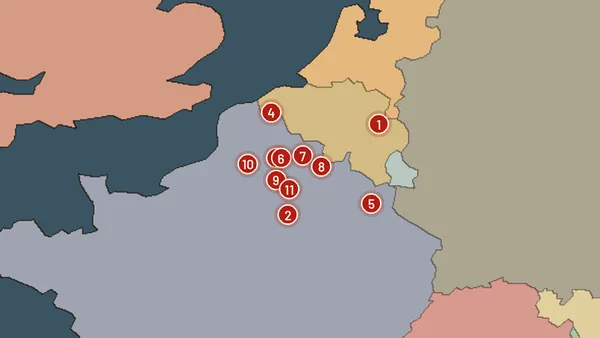 Western Front, 1914–1918
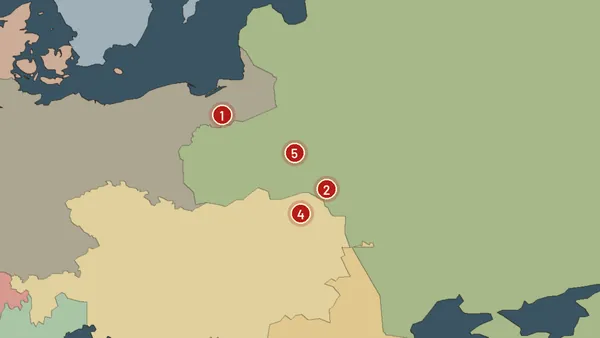 Eastern Front, 1914–1918
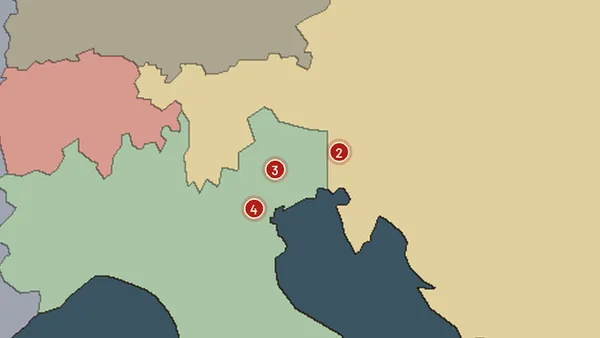 Italian Front, 1915–1918
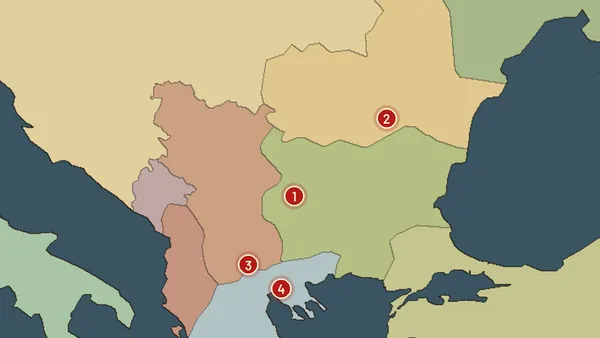 Balkan and Salonika fronts
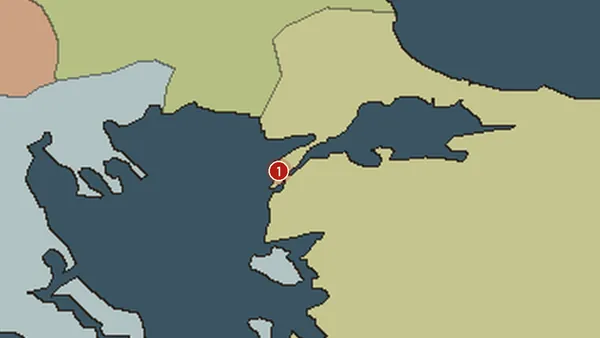 Dardanelles and Gallipoli
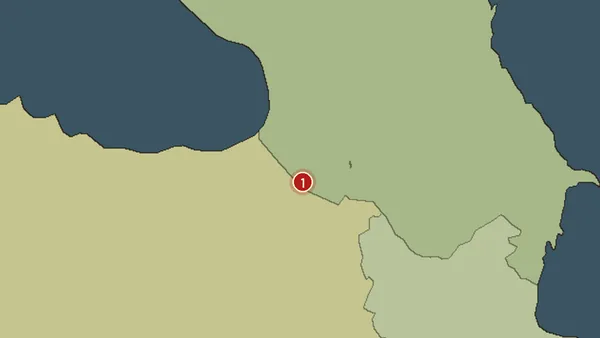 Caucasus Front, 1914–1918
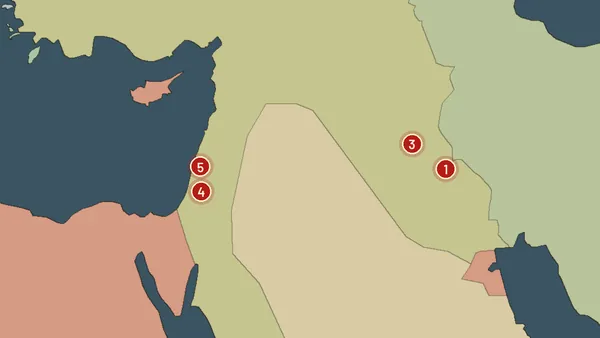 Middle East fronts, 1914–1918
 War at sea, 1914–1918