 World Wars: 1914–20XX
First World War (1914–1918)
The Western Front (1914–1918): four years of trench war in France and Belgium
In this article
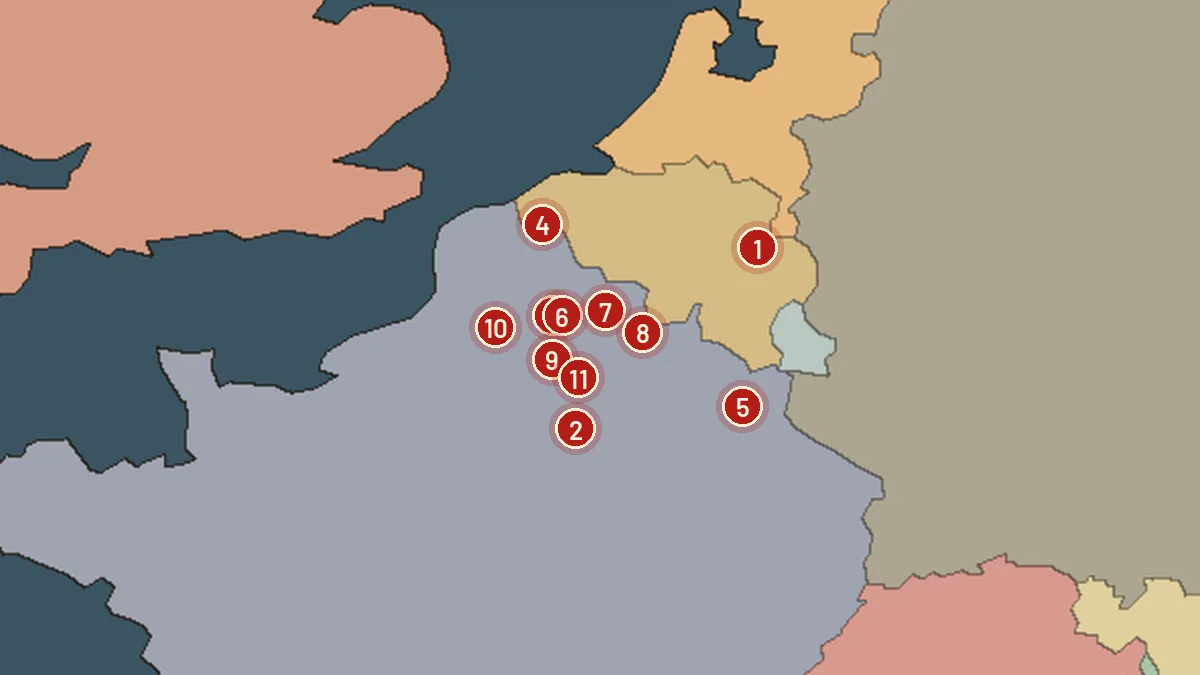
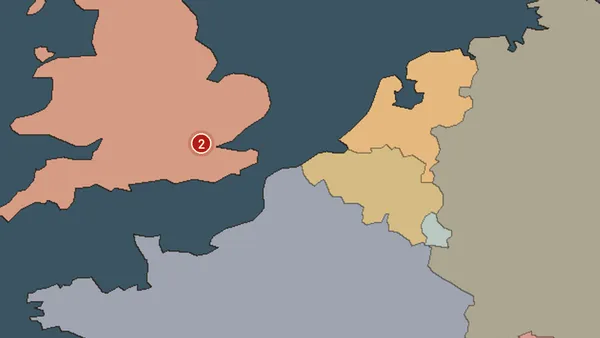
The Western Front was the decisive theatre of the First World War. Here the largest armies of Germany, France and the British Empire faced each other for more than four years, and here the war was finally decided. For most of that time the front barely moved: a line of trenches about 700 kilometres long ran from the Belgian coast through northern France to the Swiss border.
1914: the war of movement
Germany's war plan aimed to defeat France quickly by marching through neutral Belgium, then to turn against Russia. The invasion of Belgium brought Britain into the war on 4 August 1914. French offensives in Lorraine and the Ardennes failed with heavy losses in the Battle of the Frontiers, and the German armies advanced to within about 50 kilometres of Paris. In the First Battle of the Marne in September, French and British counter-attacks forced them back to the river Aisne. Both sides then tried to outflank each other to the north, until the line reached the sea. After the First Battle of Ypres in October and November, the front froze.
1915–1917: the deadlock
Machine guns, barbed wire and above all artillery gave the defender a large advantage. An attacker could break into an enemy trench system, but reserves arrived by rail faster than the attackers could advance on foot. Each side tried new methods: poison gas at Ypres in April 1915, longer bombardments, tanks on the Somme in September 1916. The great battles of 1916, Verdun and the Somme, cost each side hundreds of thousands of casualties without changing the line significantly. In 1917 the failure of the French Nivelle Offensive led to mutinies in the French army, and the British offensive at Passchendaele ended in mud in November.
1918: the deadlock breaks
The collapse of Russia allowed Germany to move dozens of divisions west. Its Spring Offensive, from 21 March 1918, used short, intense bombardments and infiltration tactics and broke through in several places, but it exhausted the German army without a decisive result. By the summer American troops were arriving in large numbers. From 8 August, at Amiens, the Allies under the overall coordination of Ferdinand Foch launched the Hundred Days Offensive, combining infantry, artillery, tanks and aircraft. The German army was pushed back across France and Belgium, and with its allies collapsing and revolution spreading at home, Germany signed the armistice on 11 November 1918.
Why the front ended the way it did
Historians stress several factors: the Allies' growing superiority in men, munitions and food once the United States joined and the British naval blockade took effect; the tactical lessons both sides learned between 1915 and 1918; and the exhaustion of the German army after its own offensives in spring 1918. There is still debate about how far victory depended on new tactics and how far on material superiority.
Did you know?
- The front line was so stable that some trenches stayed in use for almost four years; parts can still be seen at sites such as Vimy Ridge and the Butte de Vauquois.
- Farmers in France and Belgium still find unexploded shells every year in what is called the "iron harvest".
Key events on this front
- Invasion of BelgiumOn 4 August 1914 Germany invaded neutral Belgium to reach France, and Britain declared war. The ultimatum, the siege of Liège, the burning of Leuven and why Belgium's resistance mattered.
- First Battle of the MarneIn September 1914 the French and British stopped the German advance on Paris at the Marne. Why the Schlieffen Plan failed, the "taxis of the Marne", and how four years of trench warfare began.
- Trench warfareFrom 1914 to 1918 millions of soldiers lived and fought in trenches. Why the front dug in, how a trench system worked, life in the line and how the deadlock broke.
- Second Battle of YpresOn 22 April 1915 German troops released chlorine gas at Ypres, opening a gap in the Allied line. How the first great gas attack happened and how the Canadians held.
- Battle of VerdunFrom February to December 1916 the German and French armies fought for the fortress city of Verdun. Falkenhayn's plan, Fort Douaumont, Pétain, the Sacred Way and why Verdun became a symbol.
- Battle of the SommeOn 1 July 1916 British and French armies attacked on the Somme. Why the bombardment failed, what happened on the first day, and how it cost over a million casualties.
- The first tanks (Flers–Courcelette)On 15 September 1916, during the Battle of the Somme, British Mark I tanks went into action for the first time. How the "landships" were invented, why they were called tanks, and what they achieved.
- German Spring OffensiveFrom 21 March 1918 Germany launched its last great attacks in the west to win before the Americans arrived. Stormtroopers, Operation Michael and why it failed.
- The Paris GunIn March 1918 German shells fired into the stratosphere began falling on Paris from over 120 km away. How the Paris Gun worked, what it hit and why it changed little.
- Hundred Days OffensiveFrom 8 August 1918 Allied attacks beginning at Amiens broke the Hindenburg Line and drove the German army back until the armistice. How the war was won on land.
- Armistice of 11 November 1918At dawn on 11 November 1918, in Foch's railway carriage in the forest of Compiègne, Germany signed the armistice. The talks, the terms and the eleventh hour.
Play this moment
Free in your browser, no download needed.
Sources and further reading
Figures and dates in this article follow these works; where historians disagree, the range of estimates is given.
- Hew Strachan, The First World War (2003)
- Robert A. Doughty, Pyrrhic Victory: French Strategy and Operations in the Great War (2005)
- William Philpott, Bloody Victory: The Sacrifice on the Somme (2009)
- Wikipedia (English)
 Eastern Front, 1914–1918
 Italian Front, 1915–1918
 Balkan and Salonika fronts
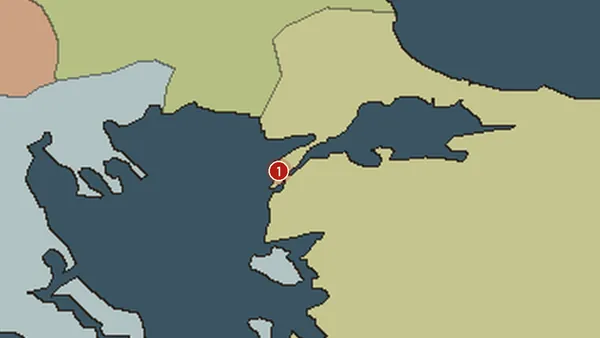 Dardanelles and Gallipoli
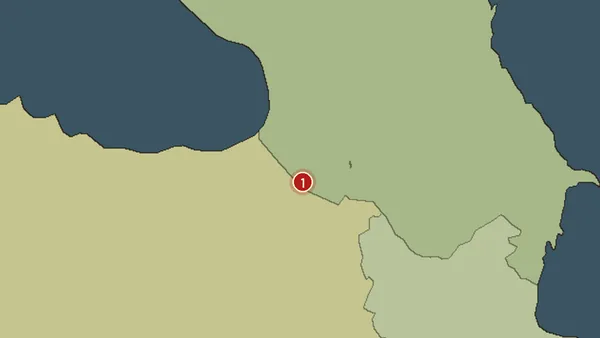 Caucasus Front, 1914–1918
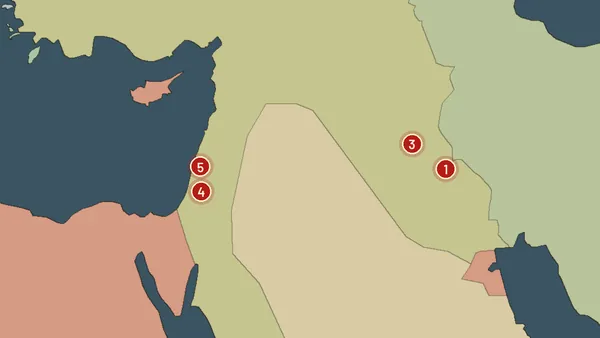 Middle East fronts, 1914–1918
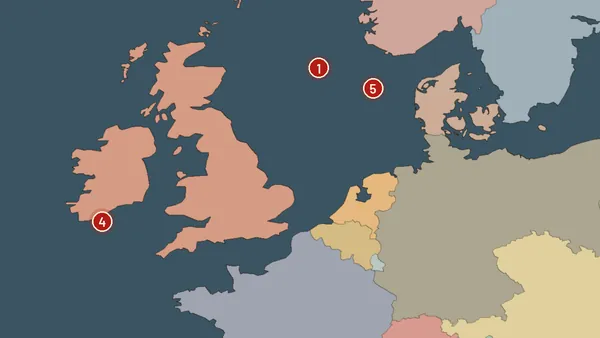 War at sea, 1914–1918
 War in the air, 1914–1918