 World Wars: 1914–20XX
First World War (1914–1918)
The war at sea (1914–1918): blockade, dreadnoughts and U-boats
In this article
At sea the First World War was rarely decided in great battles. It was decided by blockade: by Britain's ability to cut Germany off from overseas trade, and by Germany's attempt to do the same to Britain with submarines.
The blockade
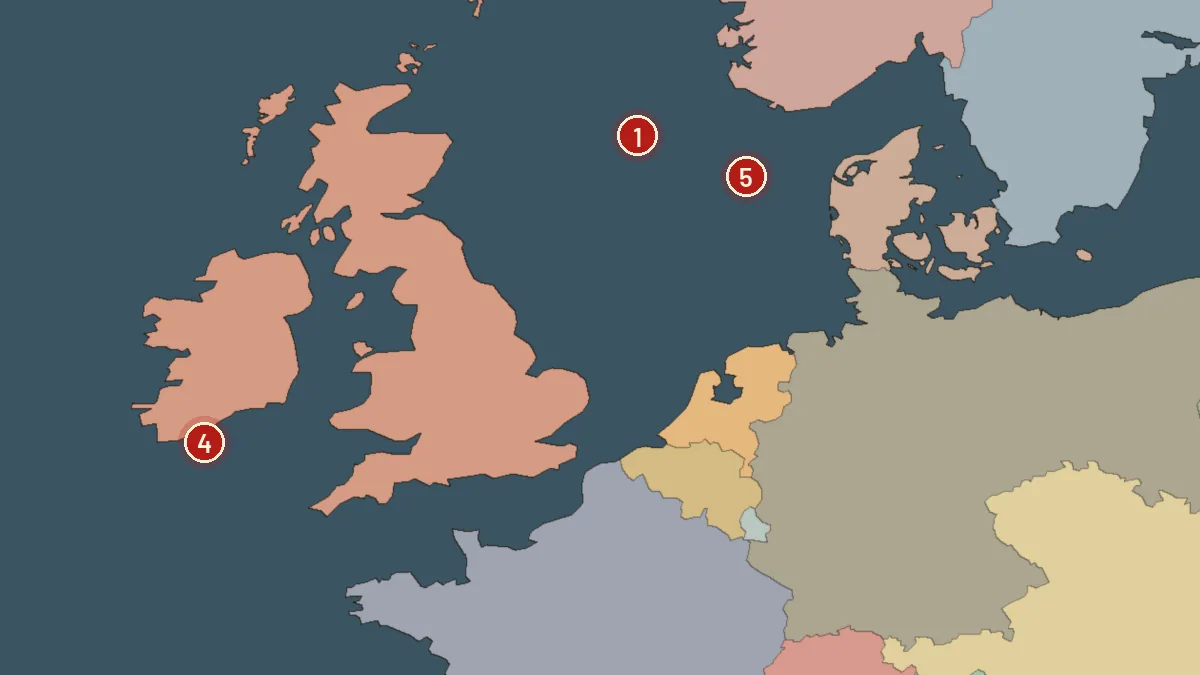
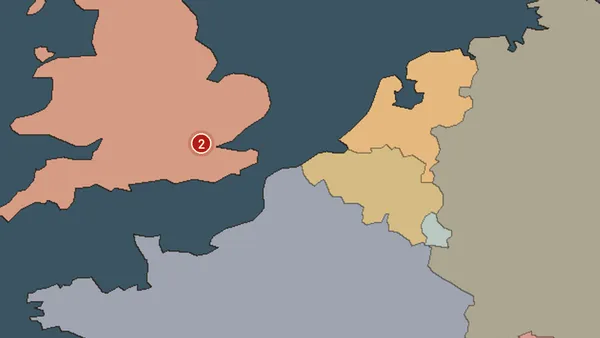
From 1914 the British Royal Navy imposed a distant blockade on Germany, closing the English Channel and the northern exit of the North Sea rather than patrolling close to German ports. Germany lost most of its imports of food, fertiliser and raw materials. The blockade contributed to severe food shortages in Germany and Austria-Hungary, above all in the "turnip winter" of 1916–1917. Historians debate how much it contributed to the final German collapse, but it is generally regarded as a significant factor.
Surface fleets
Germany's High Seas Fleet was smaller than the British Grand Fleet and avoided a full battle on unfavourable terms. There were clashes at Heligoland Bight in August 1914 and Dogger Bank in January 1915. Far from Europe, a German squadron defeated a British force at Coronel off Chile in November 1914 and was destroyed off the Falkland Islands in December. In the Mediterranean, the German warships Goeben and Breslau reached Constantinople in August 1914, an episode that drew the Ottoman Empire closer to Germany. The one great fleet action, Jutland, on 31 May and 1 June 1916, cost the British more ships and men, but left the strategic situation unchanged.
The U-boat war
Germany declared the waters around Britain a war zone in February 1915. The sinking of the liner Lusitania in May 1915, with nearly 1,200 deaths including 128 Americans, caused a crisis with the United States, and Germany restricted its campaign. On 1 February 1917 Germany resumed unrestricted submarine warfare, expecting to force Britain to make peace within months. Shipping losses rose sharply in April 1917, but the decision helped bring the United States into the war. From mid-1917 the Allies introduced convoys with escorts, which reduced losses substantially.
Did you know?
- HMS Dreadnought, launched in 1906, made every earlier battleship obsolete and started a naval arms race between Britain and Germany.
- In June 1919 the German High Seas Fleet, interned at Scapa Flow in Orkney after the armistice, was scuttled by its own crews.
Key events on this front
- Dreadnought battleshipsHMS Dreadnought, launched in 1906, made every older battleship obsolete and set off the Anglo-German naval race. How the design worked and what dreadnoughts did in WWI.
- Naval mines in WWICheap, hidden and deadly: how naval mines sank battleships at the Dardanelles on 18 March 1915, killed Lord Kitchener, and closed whole seas during the First World War.
- U-boats in World War IGerman U-boats nearly starved Britain and helped bring the USA into the war. The Lusitania, unrestricted submarine warfare in 1917 and how convoys beat it.
- Sinking of the LusitaniaOn 7 May 1915 the German submarine U-20 torpedoed the British liner Lusitania off Ireland. Nearly 1,200 people died, 128 of them American. What happened, what she carried, and why it mattered.
- Battle of JutlandOn 31 May 1916 the British Grand Fleet and the German High Seas Fleet met in the North Sea. Exploding battlecruisers, Jellicoe's crossed T, Scheer's escape and why the blockade won.
- U-boats and the Zimmermann TelegramIn 1917 Germany bet that unrestricted U-boat warfare could starve Britain, and secretly offered Mexico an alliance. How both drew the United States into the war.
Play this moment
Free in your browser, no download needed.
Sources and further reading
Figures and dates in this article follow these works; where historians disagree, the range of estimates is given.
- Robert K. Massie, Castles of Steel: Britain, Germany, and the Winning of the Great War at Sea (2003)
- Andrew Gordon, The Rules of the Game: Jutland and British Naval Command (1996)
- Wikipedia (English)
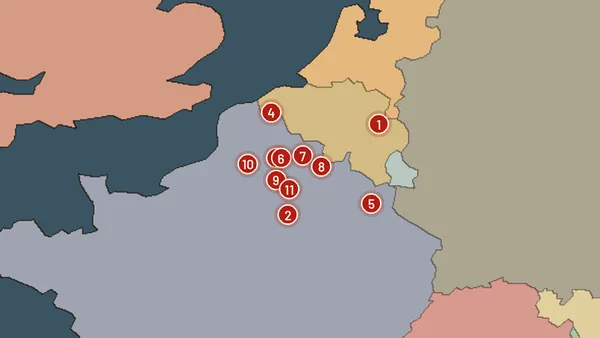 Western Front, 1914–1918
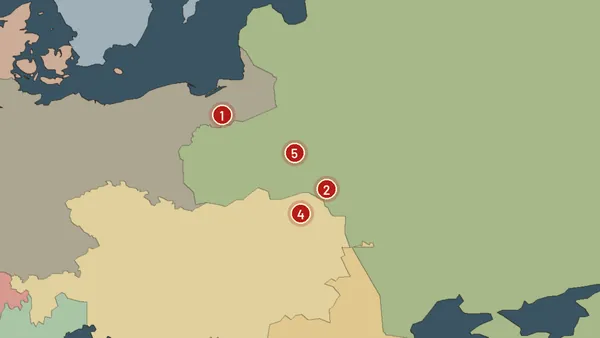 Eastern Front, 1914–1918
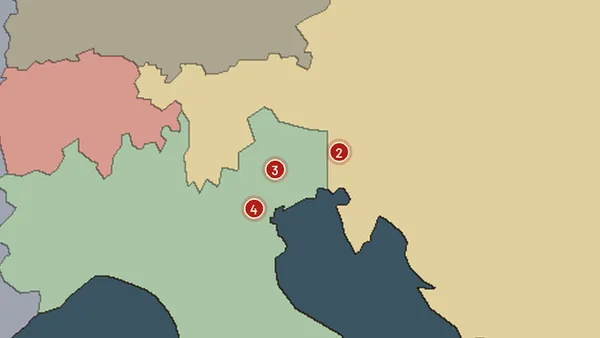 Italian Front, 1915–1918
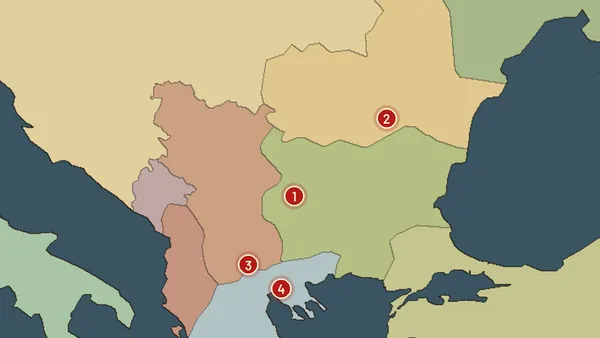 Balkan and Salonika fronts
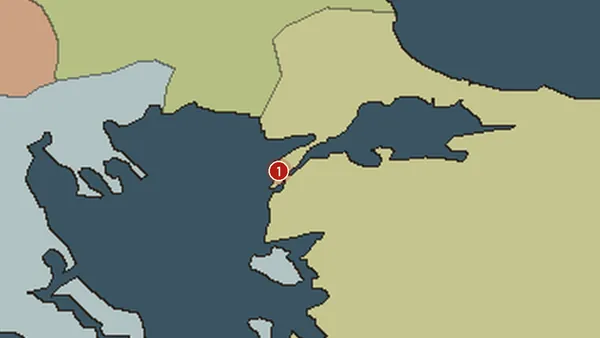 Dardanelles and Gallipoli
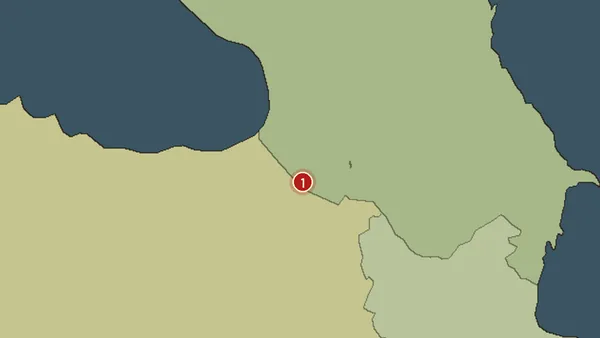 Caucasus Front, 1914–1918
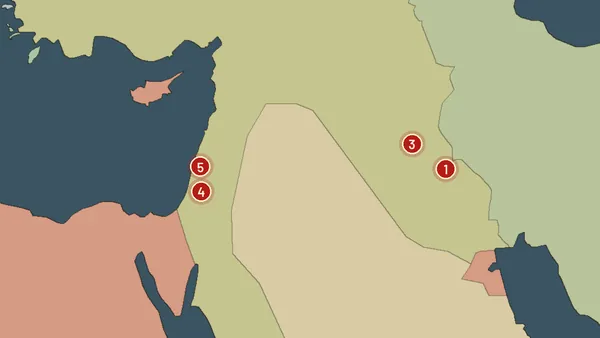 Middle East fronts, 1914–1918
 War in the air, 1914–1918