 World Wars: 1914–20XX
First World War (1914–1918)
The Balkan and Salonika fronts (1914–1918): Serbia, Romania and Macedonia
In this article
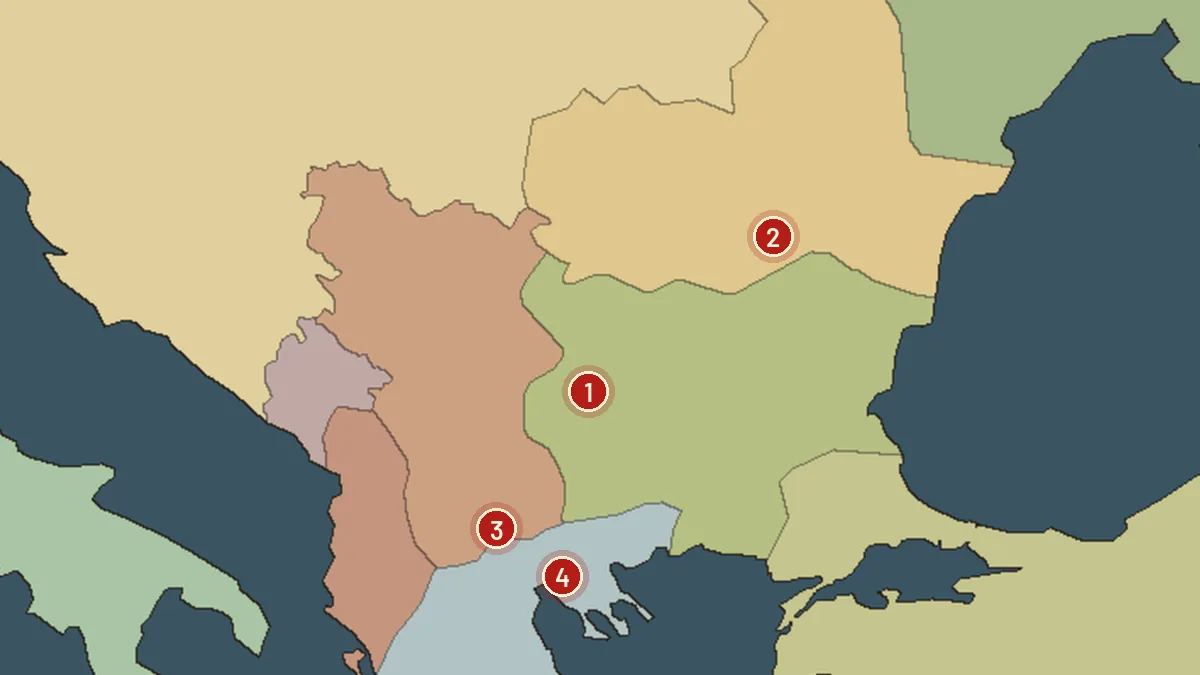
The war began in the Balkans, with Austria-Hungary's declaration of war on Serbia on 28 July 1914. The region became a set of connected fronts: Serbia in 1914 and 1915, Macedonia from 1915 to 1918, and Romania from 1916. The first Central Power to leave the war, Bulgaria, did so after a defeat on this front.
Serbia, 1914–1915
Austria-Hungary expected a quick victory over Serbia, but its invasions failed. The Serbian army defeated the invaders at Cer in August 1914 and at Kolubara in December, and Belgrade was retaken. In October 1915, after Bulgaria joined the Central Powers, German and Austro-Hungarian armies attacked from the north and Bulgaria from the east. Serbia was overrun. The Serbian army, with the king, the government and many civilians, retreated through the mountains of Montenegro and Albania in winter. The survivors were taken by Allied ships to the island of Corfu, reorganised, and later returned to fight in Macedonia.
The Salonika front
French and British troops landed at Salonika (Thessaloniki) in October 1915, too late to help Serbia. They established a front in Macedonia, later joined by Serbian, Italian, Russian and, from 1917, Greek troops. For almost three years the front changed little. Malaria and other diseases put more soldiers out of action than combat.
Romania, 1916
Romania joined the Allies in August 1916 and invaded Transylvania. German, Austro-Hungarian, Bulgarian and Ottoman forces counter-attacked from two directions, and Bucharest fell on 6 December 1916. The Romanian army held a line in Moldavia with Russian help and won defensive battles at Mărăști and Mărășești in summer 1917, but after Russia's exit Romania had to sign the Treaty of Bucharest in May 1918. It re-entered the war in November 1918.
Dobro Pole and the armistice
On 15 September 1918 Serbian and French troops attacked the Bulgarian positions at Dobro Pole. The line broke, and with its army exhausted and short of supplies, Bulgaria asked for an armistice, signed at Salonica on 29 September 1918. The collapse opened the way to Serbia, Hungary and Constantinople, and convinced the German high command that the war could not be won.
Did you know?
- At Salonika, malaria sent hundreds of thousands of soldiers to hospital; British, French and Serbian units were often at a fraction of their strength because of disease.
- The Serbian retreat of 1915–1916 is remembered in Serbia as the "Albanian Golgotha".
Key events on this front
- Bulgaria joins the Central PowersIn October 1915 Bulgaria entered the war on Germany's side and attacked Serbia. Why Sofia chose the Central Powers, how Serbia was overrun, and why the Berlin–Constantinople railway mattered.
- Romania enters the warIn August 1916 Romania declared war on Austria-Hungary to win Transylvania. Within a hundred days the Central Powers struck back from two sides and took Bucharest.
- Battle of Dobro PoleOn 15 September 1918 Serbian and French troops stormed the Bulgarian mountain line at Dobro Pole in Macedonia. Within two weeks Bulgaria asked for an armistice.
- Armistice of SalonicaOn 29 September 1918, after the Dobro Pole breakthrough, Bulgaria signed an armistice at Salonica. Its terms, Tsar Ferdinand's abdication and what it meant.
Play this moment
Free in your browser, no download needed.
Sources and further reading
Figures and dates in this article follow these works; where historians disagree, the range of estimates is given.
- Richard C. Hall, Balkan Breakthrough: The Battle of Dobro Pole 1918 (2010)
- Glenn E. Torrey, The Romanian Battlefront in World War I (2011)
- Hew Strachan, The First World War (2003)
- Wikipedia (English)
 Western Front, 1914–1918
 Eastern Front, 1914–1918
 Italian Front, 1915–1918
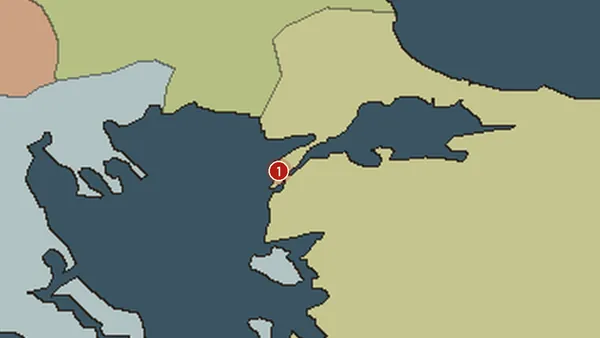 Dardanelles and Gallipoli
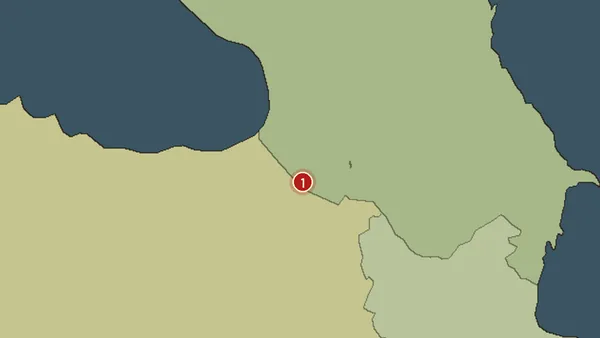 Caucasus Front, 1914–1918
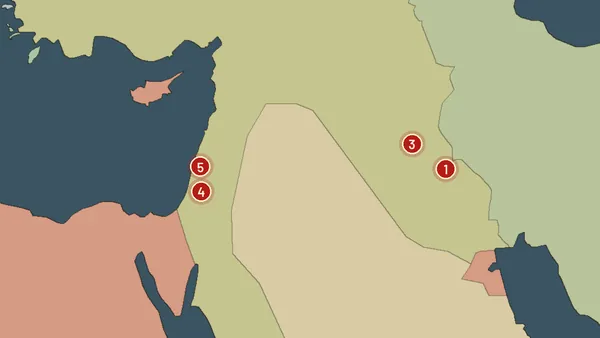 Middle East fronts, 1914–1918
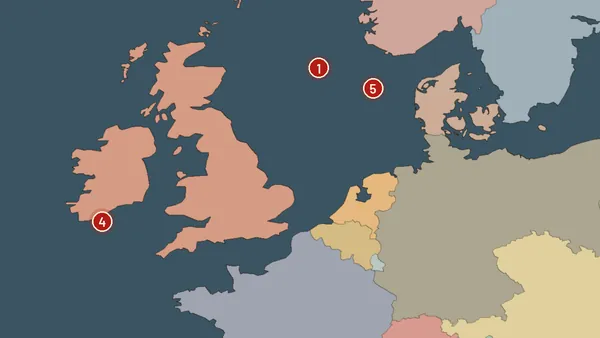 War at sea, 1914–1918
 War in the air, 1914–1918