World Wars: 1914–20XX
First World War (1914–1918)
The Erzurum Offensive (1916): the winter attack in the Caucasus
In this article
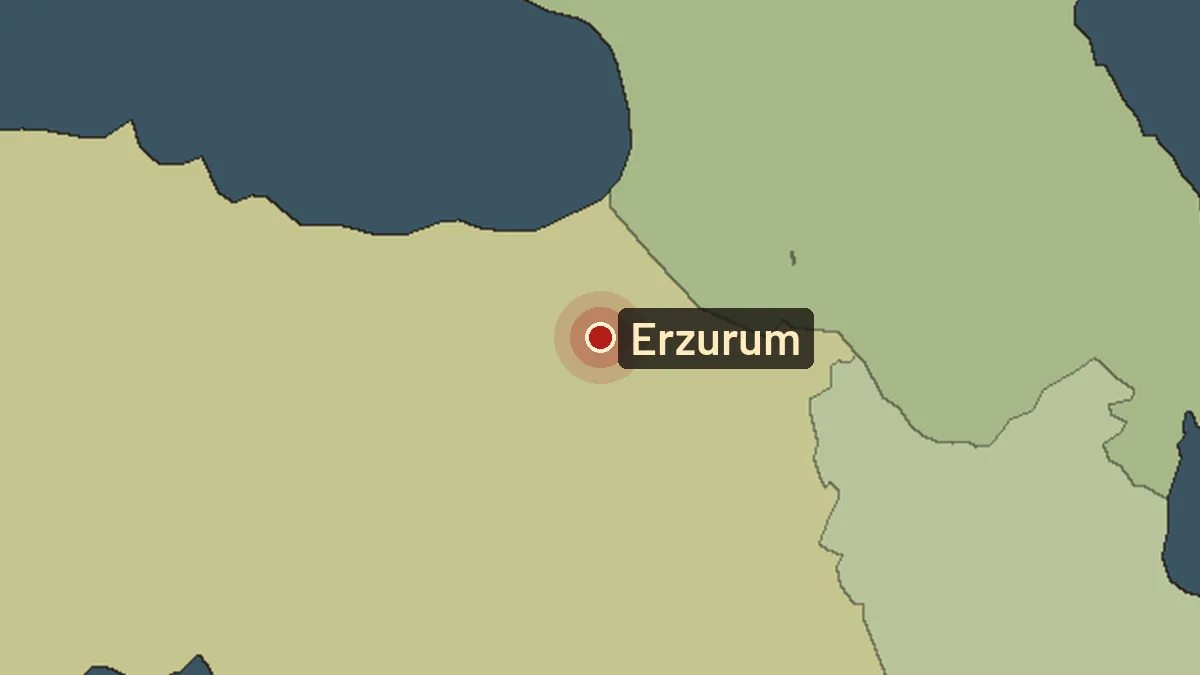
The Erzurum offensive was a Russian winter campaign in eastern Anatolia. In January 1916, at a time of year when large operations in the mountains were thought impossible, the Russian Caucasus Army under Nikolai Yudenich attacked the Ottoman Third Army. After breaking through at Köprüköy, it stormed the forts of the Deveboynu ridge and took Erzurum, the main Ottoman fortress in the region, on 16 February 1916.
After Sarıkamış
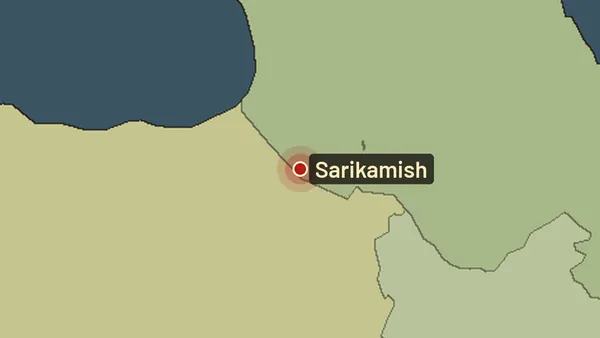
The Ottoman Third Army had suffered heavy losses at Sarıkamış in the winter of 1914–1915. During 1915 the Ottoman high command concentrated its resources on the defence of the Dardanelles, and the Caucasus front remained relatively weak. When the Allies evacuated Gallipoli at the end of 1915, Ottoman divisions became available to move east, but this would take months. Yudenich wanted to attack before they arrived.
The winter attack
Yudenich prepared the offensive carefully, providing his troops with winter clothing, fuel and supplies. The attack began on 10 January 1916 near Köprüköy, on the Aras river. Russian forces moved through mountain passes that the defenders thought impassable in winter and threatened to outflank the Ottoman positions. By the end of January the Ottoman Third Army had fallen back to the fortified line around Erzurum.
The fall of Erzurum
Erzurum was protected by a ring of forts, many of them on the Deveboynu ridge east of the city. On 11 February Russian troops began to attack the forts one by one, often at night and in deep snow. As individual forts fell, the defence became untenable, and the Ottoman command ordered a withdrawal westwards. Russian troops entered Erzurum on 16 February 1916.
The campaigns that followed
The Russian army followed up its success. With support from the Black Sea Fleet, Russian forces took Trabzon on 18 April 1916 and Erzincan in July. An Ottoman counter-offensive in the summer of 1916 recaptured Muş and Bitlis in August, with Mustafa Kemal commanding a corps there, before winter set in again. After the Russian revolutions of 1917 the Russian army in the Caucasus broke up, and Ottoman forces re-entered Erzurum on 12 March 1918.
Why it mattered
The fall of Erzurum was one of Russia's most important successes of the war and opened eastern Anatolia to its armies. Historians such as Michael Reynolds and Edward Erickson describe the offensive as a well-prepared operation that used surprise and careful logistics in a difficult environment. The front changed again when Russia left the war in 1918.
Did you know?
- Nikolai Yudenich later commanded one of the White armies in the Russian Civil War and advanced on Petrograd in 1919.
- The Deveboynu ridge forts, built in the 19th century, can still be seen near Erzurum today.
- The anniversary of Ottoman forces re-entering Erzurum on 12 March 1918 is commemorated in the city every year.
Erzurum in World Wars: 1914–20XX
In the game's Historical (1914) scenario the Caucasus is one of the fronts between the Ottoman Empire and Russia. If you lead the Ottoman Empire, you have to balance the Caucasus against the Straits, Mesopotamia and Palestine; if you lead Russia, you decide whether to attack in Anatolia or keep your strength for the war against Germany and Austria-Hungary. In the Parallel Fronts scenario, motor transport and aircraft change what is possible in mountains in winter.
▶ Play now Free in your browser, no download needed.
Sources and further reading
Figures and dates in this article follow these works; where historians disagree, the range of estimates is given.
- Michael A. Reynolds, Shattering Empires: The Clash and Collapse of the Ottoman and Russian Empires 1908–1918 (2011)
- Edward J. Erickson, Ordered to Die: A History of the Ottoman Army in the First World War (2001)
- Wikipedia (English)
 Mustafa Kemal in World War I