 World Wars: 1914–20XX
Second World War (1939–1945)
Which countries were neutral in the Second World War?
Short answer
In Europe, Switzerland, Sweden, Spain, Portugal, Ireland and Turkey stayed out of the fighting, although Turkey declared war on Germany in February 1945 without taking part in combat. Several other countries that declared themselves neutral in 1939, including Norway, Denmark, Belgium, the Netherlands and Luxembourg, were invaded by Germany in 1940.
Neutrality that held
Switzerland, surrounded by Axis-controlled territory after 1940, mobilised its army and stayed neutral, while trading with Germany and acting as a centre for diplomacy and humanitarian work. Sweden supplied iron ore to Germany and allowed German troop transit for a time, then moved closer to the Allies as the war turned. Portugal stayed neutral and in 1943 allowed Britain to use bases in the Azores. Ireland remained neutral throughout. Spain declared itself "non-belligerent" from 1940 to 1943, sent a volunteer division to fight against the Soviet Union, and then returned to strict neutrality.
Neutrality that was ended by invasion
Denmark and Norway were invaded by Germany in April 1940, and Belgium, the Netherlands and Luxembourg in May 1940, although all had declared neutrality. The Baltic states were occupied by the Soviet Union in June 1940. Iceland was occupied by British and later American forces in 1940 and 1941, and Iran by British and Soviet forces in August 1941.
Late entrants
Many countries that stayed neutral for most of the war declared war on Germany and Japan in 1945, partly to take part in founding the United Nations. Among them were Turkey, Egypt, Saudi Arabia and several Latin American states. In the Americas, Argentina remained neutral until March 1945. For neutral states, the war usually meant economic pressure from both sides and difficult choices about trade, refugees and the use of their territory.
Read more
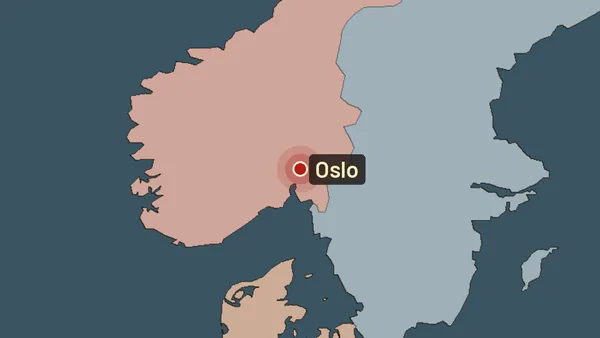 Operation WeserübungOn 9 April 1940 Germany invaded Denmark and Norway. The sinking of the Blücher, the King's escape, Narvik, and how the campaign made Churchill prime minister.
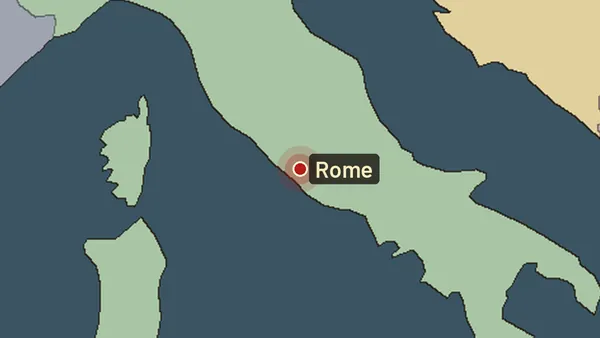 Italy enters World War IIOn 10 June 1940, with France collapsing, Mussolini declared war on France and Britain. Why Italy waited, the failed Alpine offensive and the new fronts in Africa.
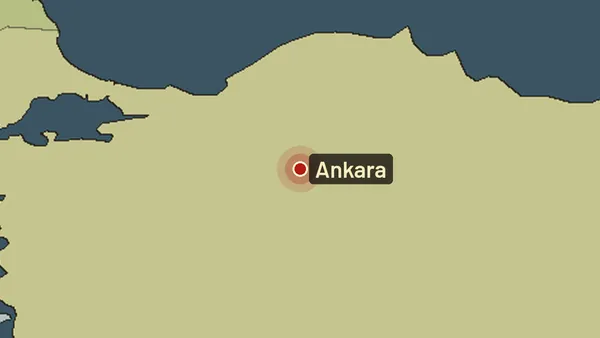 Turkey declares war (1945)On 23 February 1945 neutral Turkey declared war on Germany and Japan. Why İnönü's Turkey stayed neutral for years and joined only weeks before the end.
More questions
- Why did the Second World War start?
- When did the Second World War start and end?
- How many people died in the Second World War?
- Which countries were the Allies and the Axis in the Second World War?
- Why did Germany invade the Soviet Union in 1941?
- Why did Japan attack Pearl Harbor?
- Why was Stalingrad a turning point in the Second World War?
- What was D-Day?
- Did Turkey fight in the Second World War?
- Why were atomic bombs dropped on Japan?
- How did the Second World War end?
Play this moment
Free in your browser, no download needed.
Sources and further reading
Figures and dates in this article follow these works; where historians disagree, the range of estimates is given.
- Gerhard L. Weinberg, A World at Arms: A Global History of World War II (1994)
- Selim Deringil, Turkey's Foreign Policy During the Second World War: An 'Active' Neutrality (1989)