 World Wars: 1914–20XX
First World War (1914–1918)
Which countries fought in the First World War?
Short answer
The war was fought between the Allies, also called the Entente, and the Central Powers. The main Allies were France, the British Empire, Russia, Italy, Serbia, Belgium, Japan, Romania and the United States. The Central Powers were Germany, Austria-Hungary, the Ottoman Empire and Bulgaria.
In this article
The Allies
In August 1914 the Allies were Serbia, Russia, France, Belgium, the British Empire, including dominions such as Canada, Australia, New Zealand and South Africa as well as India, and Montenegro. Japan joined in August 1914, Italy in May 1915, Portugal in 1916, Romania in August 1916 and Greece in 1917. The United States declared war on Germany in April 1917 as an "associated power" rather than a formal ally. Several Latin American countries, China and Siam also declared war in 1917.
The Central Powers
Germany and Austria-Hungary were at war from the first days. The Ottoman Empire entered the war in November 1914 and Bulgaria in October 1915. Their name comes from their position in the centre of Europe, between the Allied fronts in the west, east and south.
Neutral countries
Some European countries stayed neutral throughout the war, among them Spain, Switzerland, the Netherlands, Denmark, Norway and Sweden. Neutrality was not always easy: neutral shipping was hit by submarine warfare and blockade, and neutral states traded with both sides. Italy, Romania and Greece were neutral at first before joining the Allies.
Read more
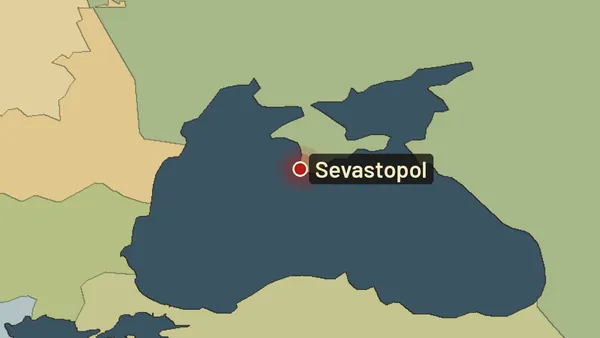 Ottoman entry into World War IIn autumn 1914 the Ottoman Empire went from secret alliance to open war. The German treaty, the seized battleships, the Goeben and Breslau, the Black Sea raid of 29 October and what followed.
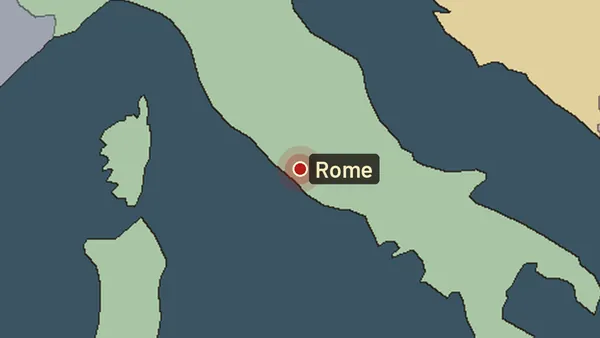 Italy enters World War IIn 1914 Italy stayed neutral despite its alliance with Germany and Austria-Hungary. How the secret Treaty of London and the "Radiant May" of 1915 brought it into the war on the Allied side.
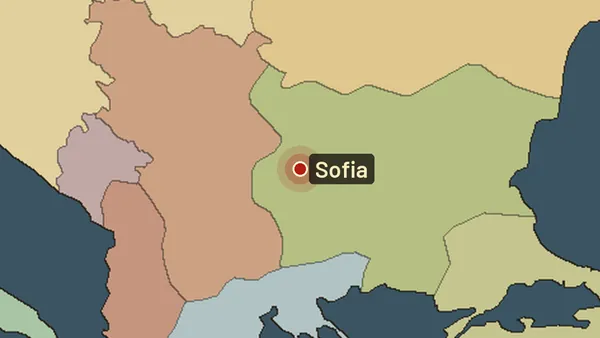 Bulgaria joins the Central PowersIn October 1915 Bulgaria entered the war on Germany's side and attacked Serbia. Why Sofia chose the Central Powers, how Serbia was overrun, and why the Berlin–Constantinople railway mattered.
More questions
- Why did the First World War start?
- When did the First World War start and end?
- How many people died in the First World War?
- Who won the First World War?
- Why did the Ottoman Empire enter the First World War?
- What was the Schlieffen Plan?
- Why did the United States enter the First World War?
- What new weapons were used in the First World War?
- Why did the Western Front become a stalemate?
- How did the First World War end?
- How did the First World War lead to the Second?
Play this moment
Free in your browser, no download needed.
Sources and further reading
Figures and dates in this article follow these works; where historians disagree, the range of estimates is given.
- Hew Strachan, The First World War (2003)
- David Stevenson, 1914–1918: The History of the First World War (2004)