 World Wars: 1914–20XX
First World War (1914–1918)
Why did the First World War start?
Short answer
The immediate cause was the assassination of the Austro-Hungarian heir, Archduke Franz Ferdinand, in Sarajevo on 28 June 1914. In the following five weeks, decisions in Vienna, Berlin, St Petersburg, Paris and London turned a Balkan crisis into a war between the great powers, which began in early August 1914.
The spark: Sarajevo
On 28 June 1914 Gavrilo Princip, a young Bosnian Serb, shot Archduke Franz Ferdinand and his wife Sophie in Sarajevo, the capital of Bosnia, which Austria-Hungary had annexed in 1908. The assassins had been armed with help from members of a secret Serbian nationalist group. The Austro-Hungarian government decided to use the crisis to settle its conflict with Serbia, and it asked Germany for support. On 23 July it sent Serbia an ultimatum, and on 28 July it declared war.
How a local war became a world war
Russia supported Serbia and began to mobilise its army. Germany, allied to Austria-Hungary, demanded that Russia stop, and when it did not, declared war on Russia on 1 August and on France, Russia's ally, on 3 August. Germany's war plan required an attack on France through neutral Belgium. When German troops entered Belgium, Britain, which had guaranteed Belgian neutrality, declared war on Germany on 4 August. Within a week most of Europe's great powers were at war.
Deeper causes
Historians still debate how much weight to give each factor. The main ones discussed are the alliance system that divided Europe into two blocs, the arms race on land and at sea, rival ambitions in the Balkans, nationalism, and military plans that left little time for diplomacy once mobilisation began. Fritz Fischer argued in the 1960s that German leaders bore the main responsibility; more recent historians such as Christopher Clark stress that decision-makers in several capitals took risks they did not fully understand, while Margaret MacMillan shows how years of crises had made war seem acceptable.
Read more
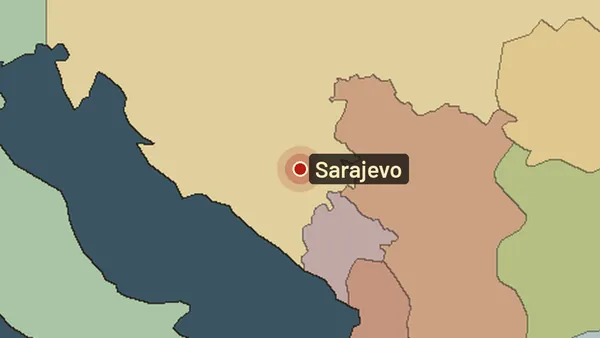 Assassination of Franz FerdinandOn 28 June 1914 Gavrilo Princip shot Archduke Franz Ferdinand and his wife Sophie in Sarajevo. Who the conspirators were, how a wrong turn decided the day, and why it led to world war.
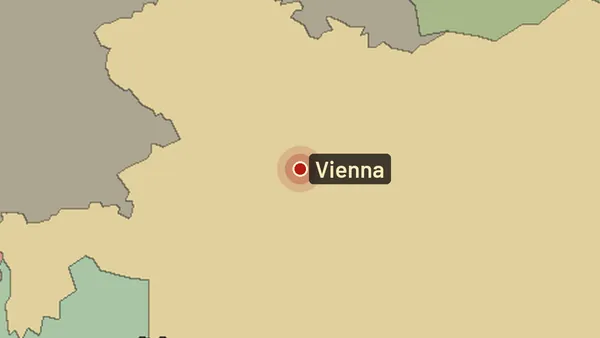 July CrisisHow the Sarajevo murders turned into war in a month: Germany's blank cheque, the 48-hour ultimatum to Serbia, Belgrade's reply and Austria-Hungary's declaration of war on 28 July 1914.
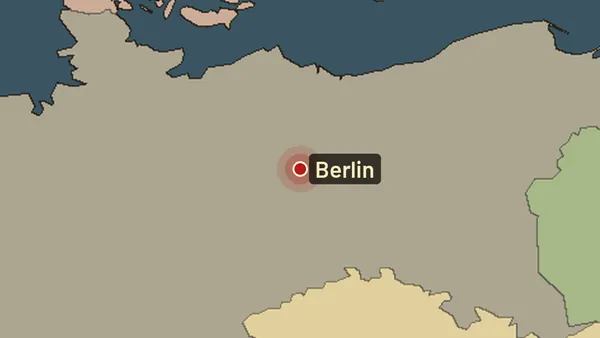 Germany declares war on Russia and FranceOn 1 August 1914 Germany declared war on Russia, and on 3 August on France. How Russian mobilisation, the Schlieffen Plan and the Willy-Nicky telegrams turned a Balkan war into a European one.
More questions
- When did the First World War start and end?
- How many people died in the First World War?
- Who won the First World War?
- Which countries fought in the First World War?
- Why did the Ottoman Empire enter the First World War?
- What was the Schlieffen Plan?
- Why did the United States enter the First World War?
- What new weapons were used in the First World War?
- Why did the Western Front become a stalemate?
- How did the First World War end?
- How did the First World War lead to the Second?
Play this moment
Free in your browser, no download needed.
Sources and further reading
Figures and dates in this article follow these works; where historians disagree, the range of estimates is given.
- Christopher Clark, The Sleepwalkers: How Europe Went to War in 1914 (2012)
- Margaret MacMillan, The War That Ended Peace: The Road to 1914 (2013)